
Tag: personalization
-

How to Create an Emotional Connection with Your Home’s Story
Your home is more than decor—it’s a reflection of your values, history, and routines. By aligning design with your personal story, you create a space that feels grounding and meaningful. From curated objects to sensory rituals, small intentional choices can transform your home into a place you love to live in.
-

The Benefits of Pre-Listing Home Inspections for Sellers
A pre-listing home inspection helps sellers identify and address issues before listing, enabling confident pricing, smoother negotiations, and stronger buyer trust. This guide explains the process, benefits, costs, and how to use the report to market your home effectively and close with fewer surprises.
-
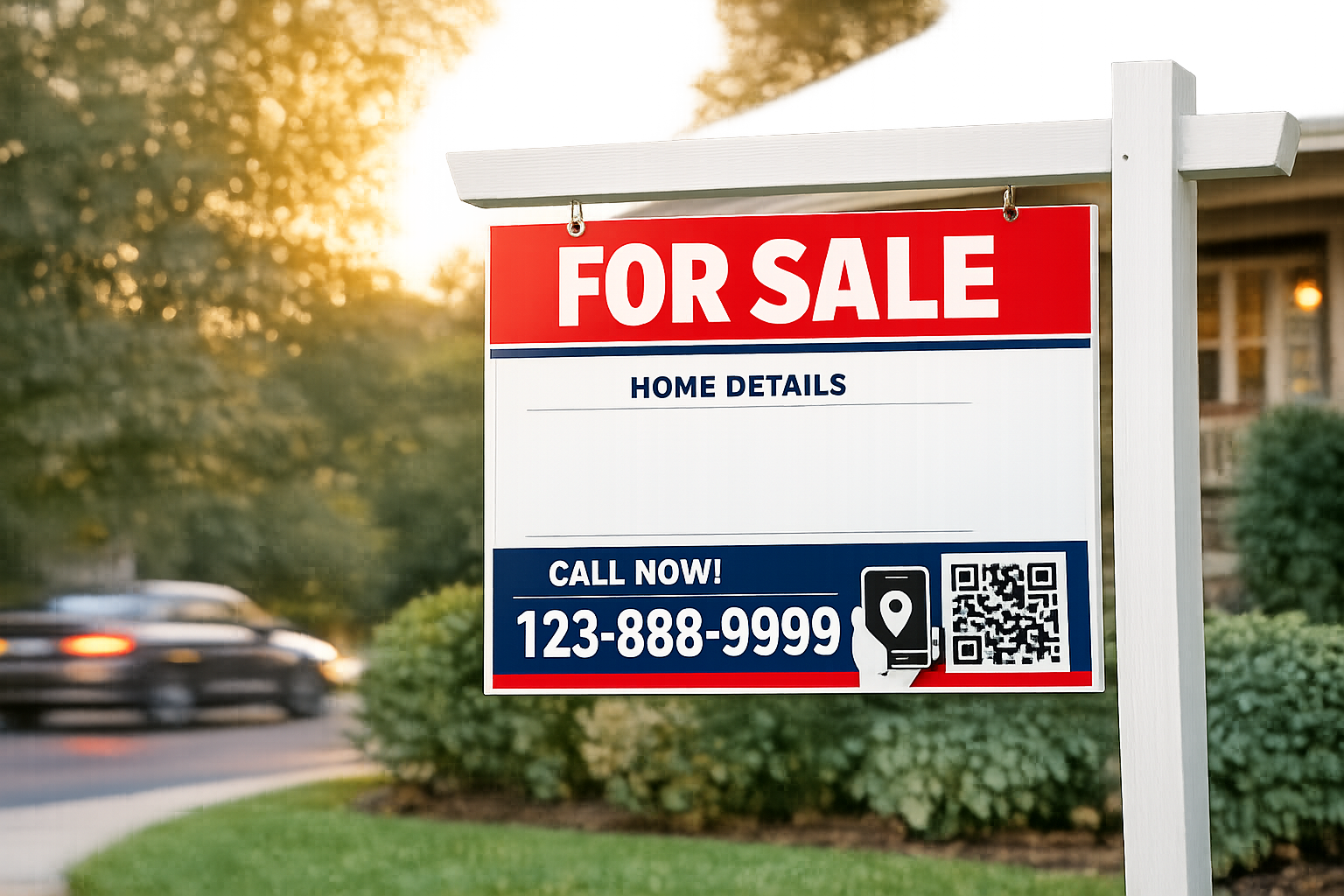
The Power of a Well-Crafted ‘For Sale’ Sign
A well-designed “For Sale” sign is a 24/7 marketing tool that builds trust, sparks interest, and drives action. Clear messaging, bold typography, and strategic placement turn drive-bys into leads. Durable materials, compliance, and tech integration like QR codes and call tracking maximize impact and ROI.
-

Using Feng Shui Principles to Attract Buyers to Your Home
Feng shui helps homes sell by creating balance, flow, and visual calm, making spaces feel welcoming and move-in ready. Focus on clear sightlines, decluttering, good lighting, and balanced elements. Simple updates, like refreshing the entry, staging key rooms, and removing energy drains, attract buyers and stronger offers.
-

Strategies for Selling Historic or Older Homes
Selling historic homes requires balancing storytelling, preservation, and strategy. Highlight unique features, target the right buyers, and address safety and efficiency concerns. Use period-appropriate updates, detailed records, and expert help to market effectively, justify value, and negotiate terms that honor the home’s character.
-

Navigating the Marketing Challenges of a Buyer’s Market
In a buyer’s market, where customers hold leverage, marketers must focus on sharp positioning, efficient demand capture, and retention to defend margins and momentum. Prioritize value over price, segment precisely, reduce friction, and equip sales with tools to prove ROI. Retention becomes a growth engine.
-

Real Estate Market Predictions: The Next Hot Neighborhoods
Use data + street signals to find rising neighborhoods: jobs, transit, zoning, amenities, safety. Track DOM, price ratios, rents, permits, foot traffic, schools, climate. Target proven types, vet blocks with a 60‑day checklist, tailor moves, and manage hype, delays, insurance risks.
-

Adapting to Consumer Behavior: Retail and Real Estate Market Trends
Omnichannel habits are reshaping retail. Stores double as showroom and mini-fulfillment; returns, convenience and experiences drive visits. Real estate favors necessity-anchored, flexible, last-mile sites. Data-led design, sustainability, and adapting to hybrid work boost sales and NOI.
-
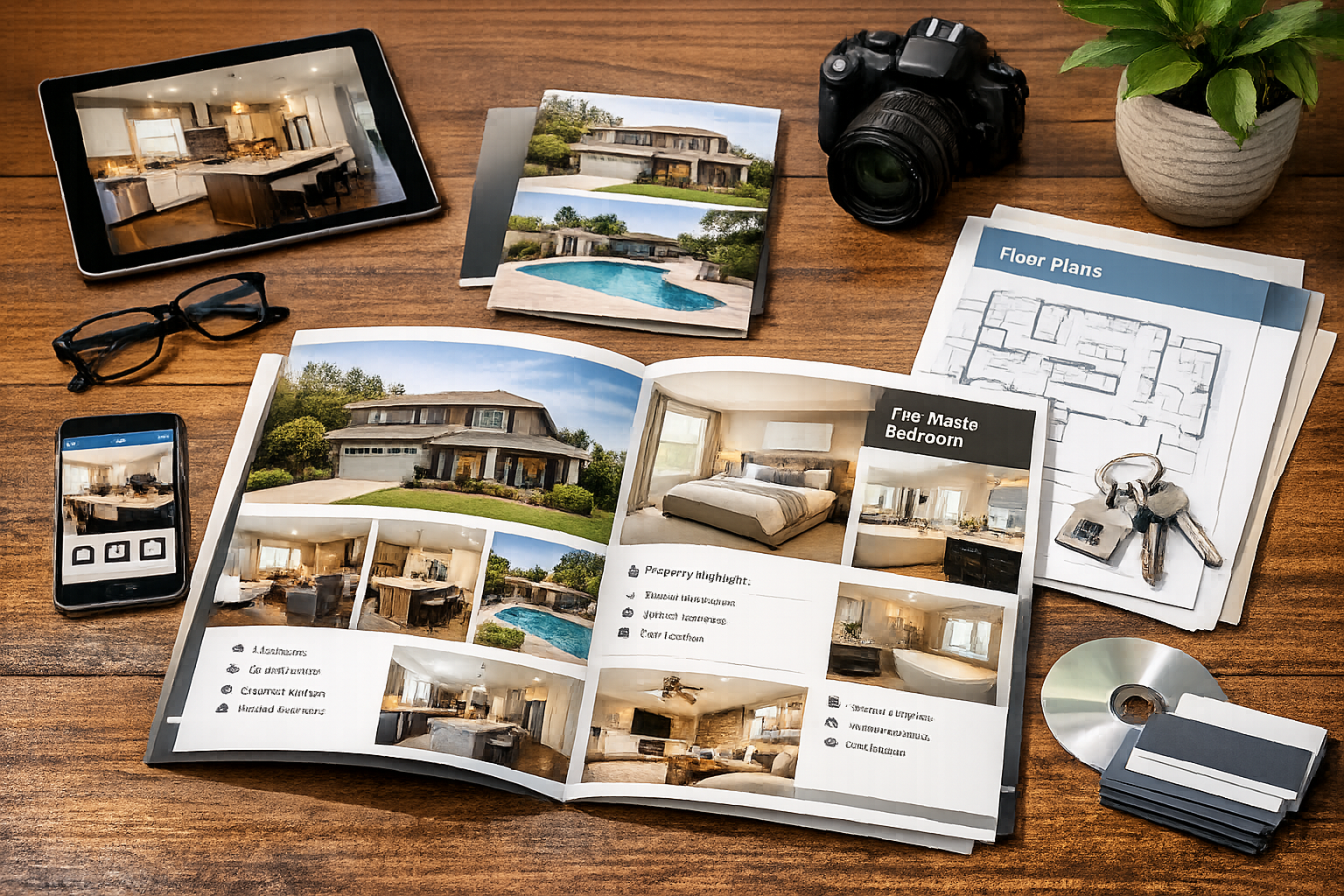
Maximizing the Impact of Your Home’s Feature Sheet
A well-designed feature sheet acts as a silent salesperson, showcasing a home’s value, answering key buyer questions, and driving next steps like showings or offers. This guide covers planning, writing, designing, and distributing standout brochures that combine clear messaging, visuals, and digital tools to maximize impact.
-
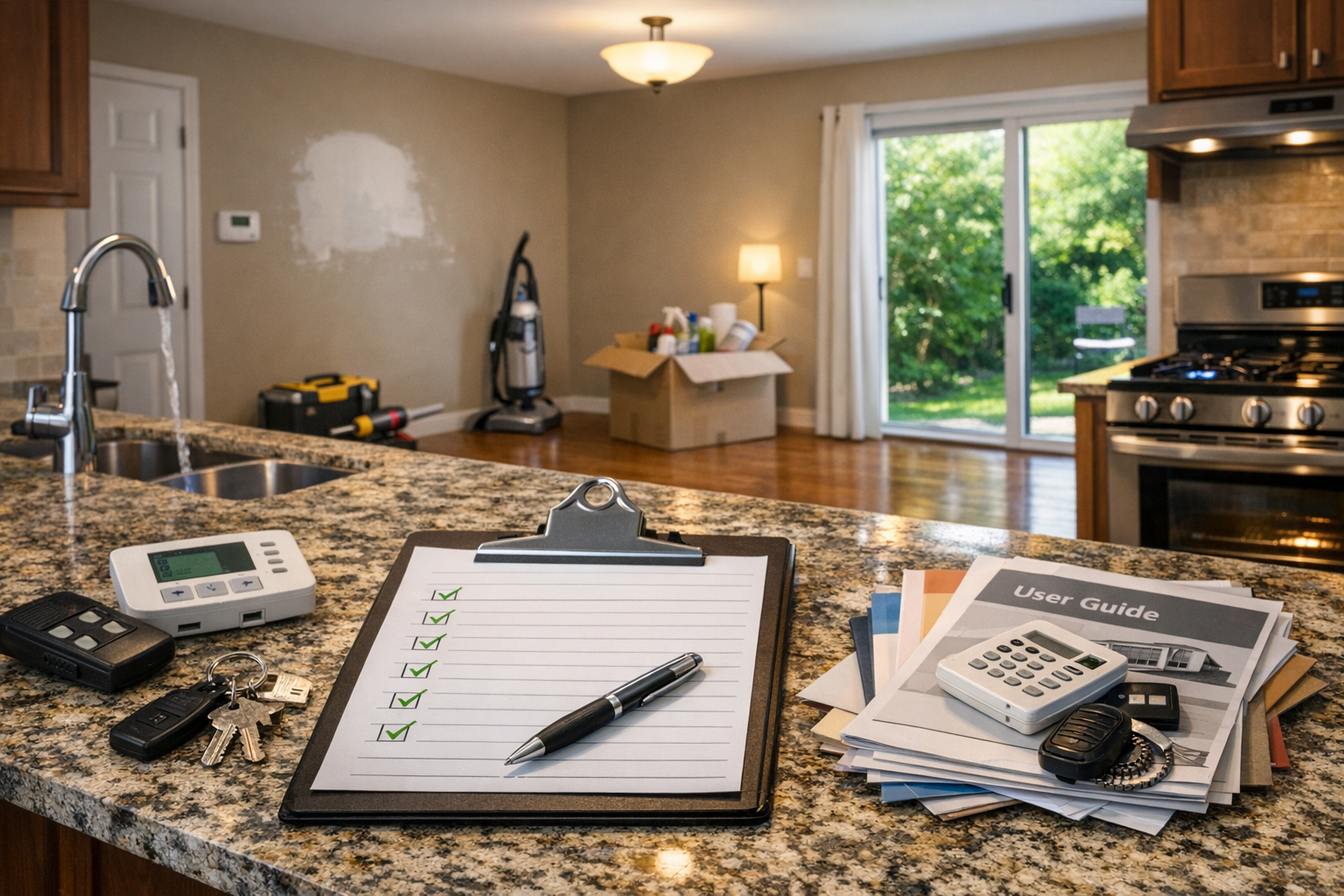
Preparing for the Final Walkthrough: A Seller’s Checklist
The final walkthrough confirms a home’s agreed condition before closing. Sellers should finish and document repairs, clean and clear the home, keep utilities on, test systems, confirm inclusions, and leave keys, manuals, and codes. Fix surprises fast or credit to keep closing on time.
-

The Importance of Setting Realistic Selling Expectations
Realistic, data-driven sales targets focus ambition and build reliable pipelines. Ground goals in ICP fit, cycles, win rates, and capacity. Protect pricing with guardrails, segment plans, convert targets to activities, and review continuously to avoid discounts, misses, and burnout.
-

Tackling the Challenges of Selling an Older Home
Guide to selling older homes: address buyer concerns (systems, energy, code), prioritize safety and efficient updates, document and disclose, price with comps and transparency, market character with strong visuals, stage smartly, and negotiate via credits or as-is when needed.
-

The Advantages of an Exclusive Listing Agreement
An exclusive listing gives one brokerage the right to market and sell your home, aligning incentives for expert pricing, broad exposure, buyer screening, and stronger negotiations. It adds clear terms, protections, and accountability, often yielding better net and smoother closings.
-

Optimizing Your Home for Energy Efficiency Before Selling
Boost your home’s sale price and speed with targeted energy upgrades. Start with a DIY check or audit, seal and insulate, tune or replace HVAC/water heating, switch to LEDs/ENERGY STAR, use rebates, document results, and market comfort, savings, and care.
-

Creating a Memorable Open House Experience
Transform open houses into curated buyer journeys: set strategy, prep and stage, engage all five senses, market like a launch, host with hospitality, guide tours, capture leads and feedback, follow up fast, and use creative formats and checklists to convert visits into offers.