
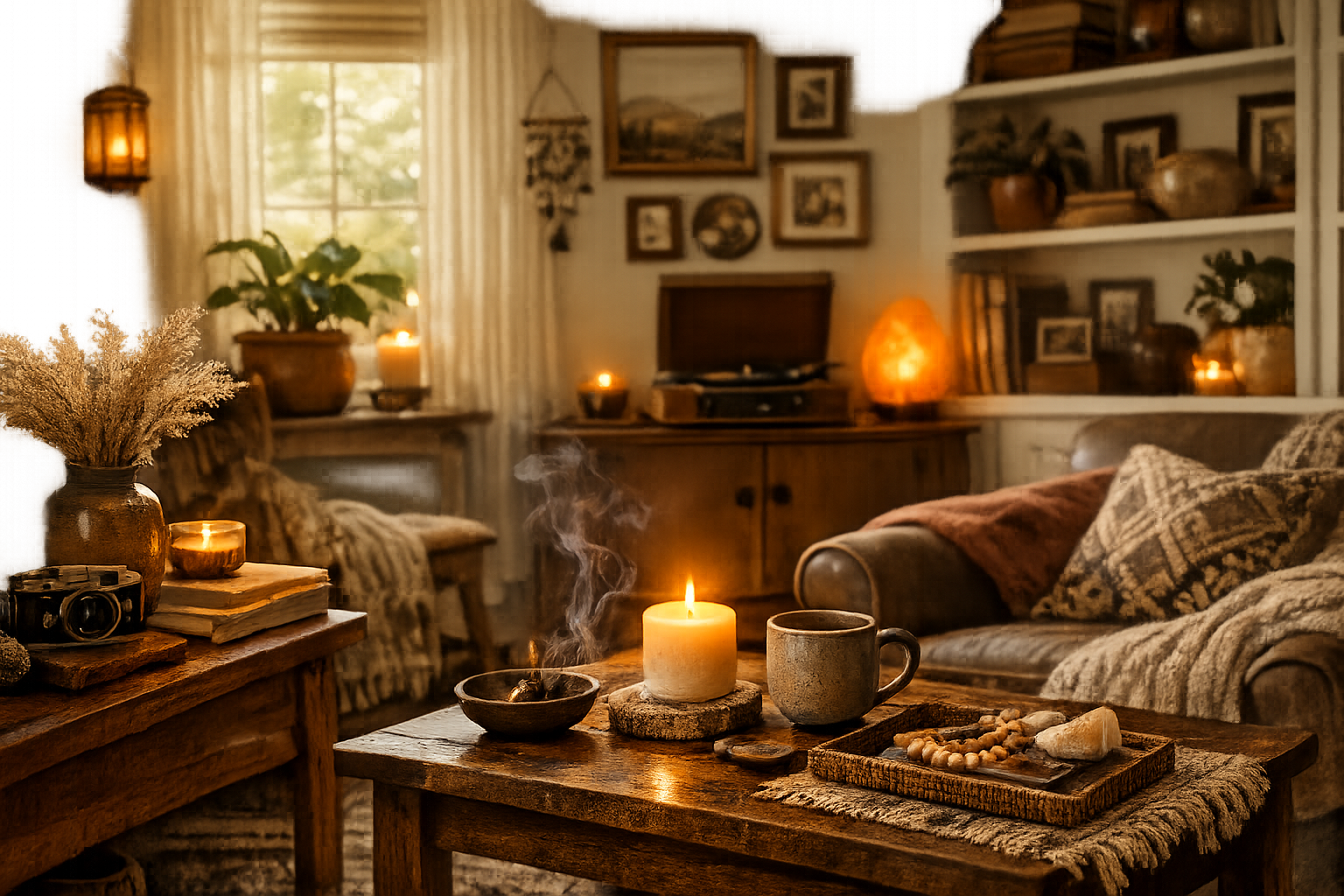
Your home holds more than furniture and paint swatches. It holds a living record of what you value, the people you love, and the moments that have shaped you. Creating an emotional connection with your home’s story turns rooms into chapters, and everyday routines into meaningful rituals. This is not about trendy decor. It is about crafting a place that feels grounding, personal, and easy to love day after day.
When you learn to tell your home’s story with intention, decision-making becomes easier. You know which pieces belong and which do not. You can explain your choices to guests or future buyers with clarity. Most important, you create a sense of belonging that reduces visual noise and emotional stress. The guidance below shows how to find your narrative and translate it into design, habits, and small details that resonate.
Why Your Home’s Story Matters
Home storytelling is the practice of aligning design, objects, and routines with your history and values. It turns a house into a place you recognize as yours, often with small moves that do not require a renovation. Here is why it works.
- Belonging: Personal cues signal safety to your brain, which builds calm and lowers decision fatigue.
- Continuity: Visual and sensory links to your past create a feeling of coherence through change.
- Meaningful minimalism: Purposeful objects reduce clutter without stripping out personality.
- Conversation value: A clear story helps guests connect, and can set your home apart if you plan to sell.
Find the Narrative Already Living in Your Rooms
Before you buy a single new thing, listen to what your home is saying now. Collect details from your life and the building itself to form a narrative you can work with.
Map a Simple Life Timeline
Jot down 8 to 12 milestones that matter to you, not just the big events. Consider a city you loved, a career pivot, a friendship, a hobby that stuck, a holiday you host every year. These moments suggest themes to express visually, such as color, pattern, materials, or motifs.
Study Place and People
What region, culture, or community feels like home to you? Which people shaped your outlook? A family recipe, a grandparent’s craft, a neighborhood artist, or a sports tradition can guide choices for textiles, art, and display.
Clarify Values and Activities
Decide what your home must support. Quiet reading, open-door hospitality, creative work, or play might take priority. Write three guiding statements, such as: We gather around the table, We display handmade work, We protect quiet bedrooms. These statements will steer design decisions.
Translate Story Into Design Decisions
Your story becomes visible by choosing elements that signal who you are. Design with a light touch. Each room needs a few strong cues, not a theme park.
Set the Prologue in the Entry
First impressions shape how you and your guests feel. Use one or two intentional markers:
- A framed map of a meaningful place near the door.
- A small tray that holds a seashell, stone, or token with a short label card describing its memory.
- Hooks or a bench that match your daily rhythm, such as dog leashes if walks are a ritual.
Curate the Living Room as Your Main Chapter
Choose a color palette connected to your narrative. If you miss the coast, lean into sand, slate, and sea glass. If you cherish a farmhouse heritage, try warm wood, woven textures, and chalky whites. Use story-forward accents:
- Art that features places or people you love, not generic prints.
- Textiles that echo your roots, such as kilims, quilts, or handwoven throws.
- A coffee table stack that reads like a biography: cookbooks from your grandmother’s region, sketchbooks, travel journals.
Shape Bedrooms for Personal Calm
Dial down visual noise and choose signals of rest. A small shelf with a nightly note to self, a family photo from a happy day, or a single heirloom on the dresser can be enough. Aim for touchable textures that fit your story, such as linen if you love light and air, or dense cottons if you prefer cozy weight.
Let the Kitchen Tell Rituals
Kitchens carry strong memory. Display a well-used Dutch oven on a wall rack, frame a handwritten recipe, or decant pantry goods into reused jars with dates and notes. A weekly pizza night or Sunday soup can become the anchor ritual that bonds everyone to the space.
Keep What Matters and Let the Rest Go
An emotional connection strengthens when every item earns its place. Curate like a museum with friendly labels, not like a storage unit.
Create Provenance Cards
Attach a small card under or behind special items with three lines: what it is, where it came from, why it stays. This encourages mindful editing and gives guests an entry point for conversation.
Make Photos Work Harder
Print fewer, larger images with strong stories instead of many small frames. Consider black-and-white for coherence across years. Group photos by theme, such as summers at the lake or first-day-of-school portraits, and switch them seasonally.
Honor Negative Space
Every story needs margins. Leave open surfaces and blank wall zones to avoid emotional fatigue. If everything is important, nothing stands out.
Use Sensory Cues to Anchor Memory
Emotion lives in the senses. Small, repeatable cues create deep attachment to place and routine.
Light and Sound Rituals
Choose a morning and evening light scene. Open the same shade first every day, switch on a warm lamp at dusk, and keep a short playlist for meal prep. Consistency turns background actions into memory markers.
Seasonal Refresh Without Clutter
Rotate textiles and tabletop accents four times a year. Keep a small bin for each season with two or three items that signal change, such as pillow covers, a table runner, and a front-door wreath. This keeps novelty alive without endless buying.
Build a Scent Map
Assign a subtle scent to key zones: citrus in the kitchen, cedar in the closet, lavender near the linen shelf. Choose natural sources where possible, such as simmer pots, sachets, or a single unscented candle paired with fresh herbs. Avoid strong competing scents.
Document and Share Your Home’s Story
Recording your narrative keeps it from drifting. It also helps future owners care for the home with context and respect.
Start a House Journal
Use a simple notebook or digital doc. Include a one-page origin story, a floor plan sketch, paint formulas, photos of key upgrades, and short notes about traditions you host. Add an annual letter to the house that captures what changed that year.
Write a Welcome or Heritage Note
If you plan to sell or rent, draft a one-page guide that explains how the light moves, where the best morning coffee spot is, and which neighbors you appreciate. Buyers often respond to lifestyle details more than technical specs.
Share With Care
Post select moments on social media without oversharing floor plans or security details. Focus on meaning rather than perfection. A story that feels lived-in builds more connection than a staged reveal.
Navigate Hard Histories With Care
Some homes come with loss, conflict, or difficult chapters. Avoid pretending they do not exist. A respectful approach can transform weight into wisdom.
Acknowledge and Integrate
Write a short statement that names what happened and how you choose to live forward. Consider a small memorial object or a planted tree. Seek local history resources or archives if the story predates you.
Practice Restorative Rituals
Light a candle on meaningful dates, keep a gratitude journal in a shared drawer, or host a simple meal with friends who understand. Gentle, steady practices rebuild trust in the space.
Build Connection on Any Budget
A compelling narrative does not require designer budgets. It asks for attention and a few well-placed moves.
Free or Low-Cost Actions
- Rearrange furniture to support the activities you named in your guiding statements.
- Print phone photos at large scale using an online lab and simple frames.
- Shop your home. Move a rug to the room that tells that rug’s story best.
- Refinish or repaint a single piece that carries family value.
- Add plants that reference your roots or travels, such as herbs from a childhood garden.
Practical Checklist to Start This Week
Use this quick flow to begin creating an emotional connection with your home’s story.
- Write three guiding statements about how you want to live at home.
- Choose one room as your pilot project. Identify two story cues to add or edit.
- Create provenance cards for five meaningful items. Remove one item that no longer fits.
- Set a daily light or sound ritual and a weekly anchor meal or activity.
- Start a one-page house journal with photos and notes.
Make Your Home Feel Like a Story You Love to Live In
A strong emotional connection grows when your space reflects what matters and supports how you live. Let your history guide design, let your values shape routines, and give your favorite objects clear purpose. When your home’s story is visible and felt, you do not have to explain why you love being there. The rooms do the talking, and the life you live inside them adds a new chapter every day.
Leave a Reply