
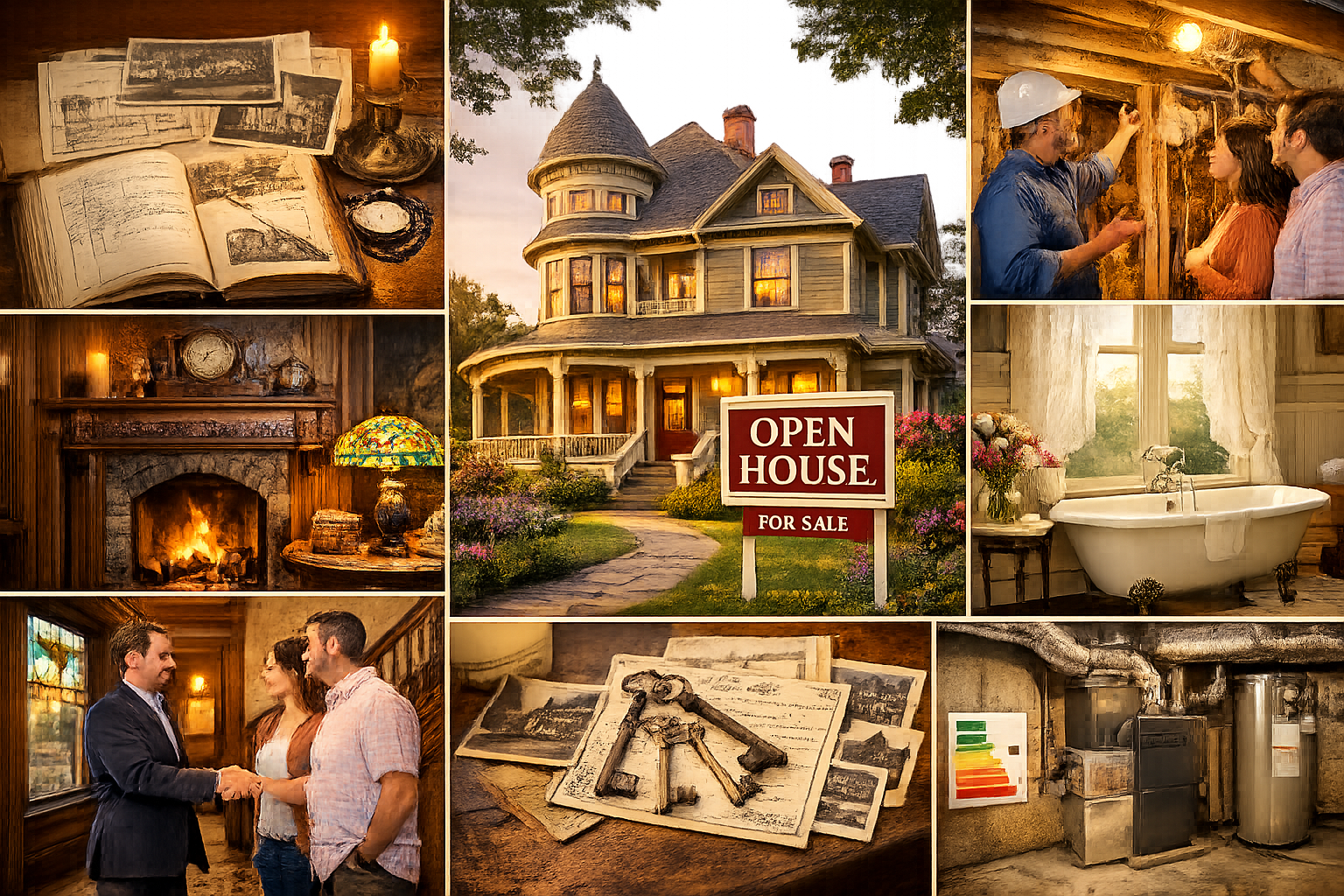
Historic and older homes carry stories, craftsmanship, and architectural details that mass-built houses rarely match. They also come with quirks, preservation rules, and maintenance realities that can affect marketing, pricing, and negotiations. A focused plan can help you highlight character, reduce buyer uncertainty, and sell for a strong price. The strategies below combine preservation-minded preparation, targeted marketing, and practical steps to guide a smooth sale.
Define the Story, Audience, and Value Proposition
Every heritage property has a narrative. Documenting and presenting that story is one of the most effective ways to stand out in a crowded market. Equally important is identifying the right buyers and aligning your marketing to their priorities.
Identify the Most Likely Buyers
Different segments value older homes for different reasons. Potential groups include:
- Enthusiasts who want intact period details, like original millwork, tile, or built-ins.
- Buyers seeking location benefits in established neighborhoods with tree-lined streets and walkability.
- Renovation-minded buyers who want a historic shell with updated systems.
- Investors focused on adaptive reuse in mixed-use or transitional areas.
Tailor your messaging accordingly. Emphasize preserved architectural elements to purists, lifestyle perks to location-driven shoppers, and feasibility of updates for renovation-focused buyers.
Assemble Provenance and Property Records
Gather everything that proves care and authenticity. Useful documentation includes:
- Historic photos, original blueprints, or newspaper clippings mentioning the property.
- Records of prior restorations or system upgrades, including permits and contractor invoices.
- Any historic designations, awards, or mentions in architectural guides.
- Maintenance logs for roofs, foundations, windows, and mechanicals.
Bind these into a property dossier available at showings. Buyers of vintage homes love evidence of stewardship and clear information.
Prepare With Preservation-Minded Updates
Smart pre-listing work reduces buyer objections and protects your asking price. Focus on safety, functionality, and stewardship rather than trend-chasing remodels that erase character.
Prioritize Safety and Code-Related Items
Address health and safety issues first. A pre-listing inspection by a professional familiar with historic construction can help you triage. Common priorities:
- Electrical: Evaluate knob-and-tube or outdated panels; replace unsafe wiring and add GFCI where needed.
- Plumbing: Inspect galvanized pipes and traps; fix active leaks; consider targeted replacements to improve pressure and water quality.
- Roof and gutters: Repair slate, clay, or wood shakes with appropriate materials; ensure proper drainage.
- Foundation and moisture: Seal crawl spaces where appropriate, correct grading, and add sump or French drains to control water.
- Environmental: Comply with lead-based paint and asbestos regulations for disclosure and safe handling.
Repairs that reduce risk can pay off by expanding your buyer pool and smoothing underwriting.
Boost Efficiency Without Losing Character
Buyers often worry about utility costs in older homes. Choose upgrades that preserve original fabric:
- Weatherstrip and recondition original wood windows, then add interior or exterior storms.
- Improve insulation in attics and crawl spaces with vapor control and ventilation plans appropriate for older assemblies.
- Service boilers or radiant systems; consider smart thermostats compatible with existing equipment.
- Seal obvious air leaks at chimneys, utility penetrations, and baseboards.
Share before-and-after energy bills when possible to demonstrate real-world savings.
Refresh Finishes With Period-Appropriate Touches
Light cosmetic work can have an outsized impact. Keep it sympathetic to the home’s era:
- Choose historically compatible paint palettes and sheens.
- Repair, do not replace, plaster and trim when feasible; patch with like materials.
- Refinish hardwoods rather than covering them with carpet.
- Update lighting with classic silhouettes and warm color temperatures.
Small, thoughtful choices can help buyers feel the home has been cared for by owners who respect its age.
Set a Pricing and Appraisal Strategy That Reflects Heritage
Valuing an older or historic home calls for more nuance than a basic comparable sale analysis. Your goal is to justify premium features and address appraisal risks early.
Choose Comps That Capture Architectural Value
Work with an agent experienced in character homes to select comps that align with:
- Age, style, and degree of original detail retained.
- Renovation quality and appropriateness of materials.
- Lot and street context within a historic district or established area.
- Functional upgrades like modernized kitchens or bathrooms completed with period style in mind.
If true apples-to-apples comps are scarce, include a broader radius and explain adjustments for architecture and condition in your pricing narrative.
Prepare for Appraisal and Lending Hurdles
Older homes can trigger underwriter questions about condition, safety, and remaining life of systems. Mitigation tips:
- Provide the appraiser with your improvement log, feature sheet, and comps that highlight architectural merit.
- Address obvious appraiser red flags before listing, such as peeling exterior paint where lead may be present, missing handrails, or nonfunctional fixtures.
- If an appraisal gap occurs, consider backup financing strategies, appraisal rebuttals with better comps, or concessions structured as credits rather than price cuts.
Time the Market Thoughtfully
Historic homes show best in seasons that flatter curb appeal and natural light. Coordinate listing photos with peak landscaping and daylight. If you are selling in winter, invest in warm interior lighting and clear, safe walkways to avoid condition-based concerns.
Market the Details Buyers Care About
Marketing should make it easy for buyers to recognize quality, visualize living in the home, and understand future possibilities that respect the architecture.
Create Visuals That Honor the Architecture
Commission a photographer who knows how to shoot period features, scale, and natural light. Consider:
- Detail shots of original tile, stained glass, millwork, fireplace surrounds, and hardware.
- Measured floor plans that clarify room sizes and flow, especially in older layouts.
- 3D tours for out-of-area buyers who target historic neighborhoods.
- Drone images to show roof condition, landscaping, and streetscape context.
Write Listing Copy That Sells the Experience
Avoid generic phrases. Highlight tangible benefits and stewardship:
- Call out preserved materials and the years they were serviced or restored.
- Describe lifestyle perks: porch seasons, walkability to main street, proximity to transit.
- Mention compatible upgrades, like a sympathetically remodeled kitchen, restored windows, or upgraded electrical.
- Note historic district advantages, such as stable values and cohesive streetscapes.
Promote Through the Right Channels
In addition to the MLS, reach buyers where interest in heritage homes is high:
- Historic preservation groups, neighborhood associations, and architecture-focused publications.
- Social media with short reels that spotlight features and compare before-and-after upgrades.
- Email campaigns to agents known to sell Craftsman, Victorian, Tudor, or mid-century properties.
Stage and Show With Care
Staging an older home should reinforce warmth and craftsmanship without feeling like a museum. The aim is to help buyers see daily living that suits the home’s age and layout.
Staging Tips That Respect Scale and Light
- Use appropriately scaled furniture that improves room flow in narrower or formal spaces.
- Layer rugs, warm bulbs, and simple window treatments to soften edges and showcase floors and casings.
- Edit collections so details stand out without visual clutter.
- Make small rooms work by defining purpose, like a writing nook or music room.
Address Quirks Upfront
Older homes often have idiosyncrasies that can become buyer objections if ignored. Provide context:
- Explain original floor slopes or minor plaster hairlines as cosmetic and typical for age, if verified by inspection.
- Show how storage works with built-ins, wardrobes, or basement shelving.
- Offer vendor lists for window restoration, slate repair, or plaster specialists.
Plan Thoughtful Open Houses
Schedule extra time for showings so buyers can appreciate details. Create a feature map handout pointing to unique elements room by room. Keep antique keys, crank windows, and pocket doors in good working order to demonstrate function.
Handle Disclosures, Inspections, and Rules Proactively
Transparency reduces renegotiations and builds trust, especially for properties with age-related complexities or historic protections.
Know Required Disclosures
Be clear about:
- Lead-based paint for pre-1978 homes and any known asbestos-containing materials.
- Historic district or landmark-status restrictions, design review processes, and any active preservation easements.
- Unpermitted work or known defects that have not been corrected.
Attach relevant documents in the MLS and make them available at showings.
Leverage a Pre-Listing Inspection
A pre-listing inspection can surface issues on your terms. Provide the report, plus receipts for completed repairs or bids for larger items. Buyers often respond well to clarity, and some will proceed with limited renegotiation when they have trustworthy information.
Explain Easements, Covenants, and Incentives
If the home has facade easements, tree protections, or shared drive agreements, bring clarity early. Also highlight potential tax credits or grants available for approved restoration in certain jurisdictions. Buyers who understand the framework are more confident making offers.
Negotiate With Terms That Fit Older Homes
The right structure can keep deals together and protect your net proceeds. Consider how repairs, credits, and timelines will play for a property with age and character.
Use Credits and Scope-of-Work Clauses
For larger items like roof sections, electrical upgrades, or sewer laterals, credits at closing may be cleaner than rushed pre-closing work. If you do agree to repairs, define scope, materials, and licensed vendors to preserve quality and protect historic fabric.
Offer Warranties and Transferable Contracts
Service contracts for boilers, roof warranties, or termite bonds can transfer to buyers and ease concerns about long-term maintenance. Include documentation in the property dossier and purchase agreement addenda as needed.
Manage Timelines and Occupancy
Older-home sales can benefit from slightly longer inspection periods to schedule specialty contractors. If you need time to move heirloom items or architectural salvage, negotiate rent-backs or specific occupancy dates early so schedules are aligned.
Choose Experts Who Know Historic Properties
The right team reduces surprises and adds credibility to your listing.
Agent With Historic Sales Experience
Work with a listing agent who can speak fluently about window restoration, plaster repair, roofing types, and period styles. They will price more accurately, coach on prep, and advocate for value during appraisal.
Inspectors, Contractors, Lenders, and Insurers
Build a bench of professionals who understand older construction:
- Home and structural inspectors familiar with brick foundations, clay tile, or balloon framing.
- Licensed electricians, plumbers, and roofers experienced with vintage systems and materials.
- Lenders and appraisers comfortable underwriting older properties and historic-district comps.
- Insurers who write policies for antiquated wiring or specialty roofs without excessive premiums.
Confidently Bring a Piece of History to Market
Selling a historic or older home is part storytelling, part strategy, and part craftsmanship. Prepare the property with safety and efficiency in mind, present its history and features with care, price it using comps that reflect true architectural value, and negotiate terms that fit the realities of vintage construction. With the right planning and expert help, you can connect with buyers who appreciate authenticity, protect your net proceeds, and pass your home’s legacy to its next steward.
Leave a Reply