
Category: Marketing Your Home
Discover effective strategies for showcasing your property in ‘Marketing Your Home.’ Learn how to highlight your home’s best features, utilize digital platforms, and create compelling listings that attract serious buyers.
-

Boosting Your Home’s Online Visibility with Targeted Keywords
Homebuyers and renters search online using specific phrases tied to location, price, features, and lifestyle. By aligning listings and content with targeted, high-intent keywords, you attract qualified traffic, increase inquiries, and drive faster showings and stronger offers. Optimize for search intent!
-

Investing in Real Estate During Economic Uncertainty: Trends and Tips
Real estate can thrive in choppy markets by prioritizing cash flow, conservative underwriting, and resilient debt. Focus on durable income, inflation-linked rents, operational value-add, realistic stress tests, diversification, and flexible exits to weather rates, costs, and demand shifts.
-
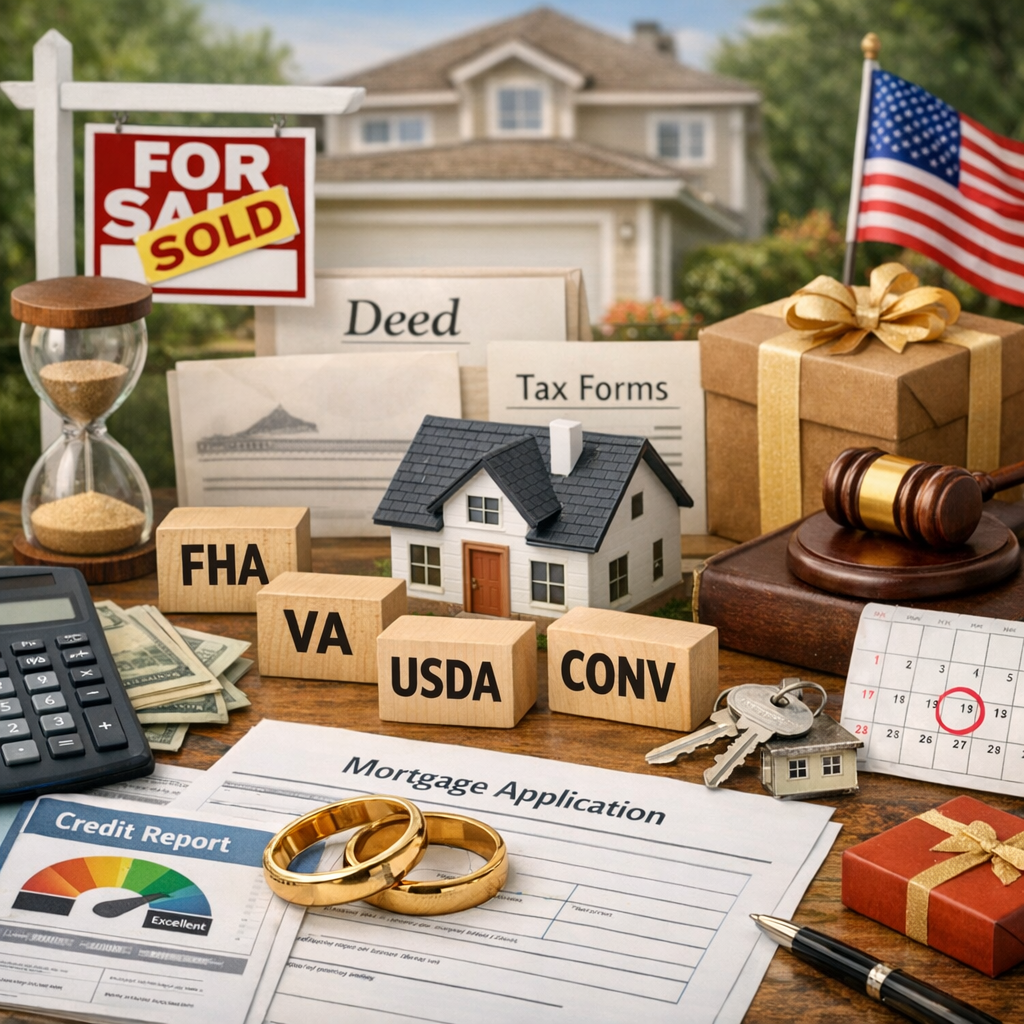
How Marriage Affects Your Home Buying Prospects
Marriage reshapes homebuying: lenders weigh combined income, credit, DTI; state property laws and loan programs (conventional, FHA, VA, USDA) add rules. Learn when to apply jointly or solo, pick title, handle gifts/taxes, and time your purchase to qualify.
-

The Financial Benefits of Buying a Home in the Off-Season
Buying in the off-season (late fall to early spring) cuts costs: fewer bidding wars, motivated sellers, builder incentives, and cheaper movers. You’ll gain leverage for price cuts, credits, and rate buydowns, faster financing, better inspections; just plan for thinner inventory and weather delays.
-

Mortgage Forbearance: Is It Right for You?
Mortgage forbearance is a temporary pause or reduction in payments, not forgiveness. Interest may accrue. The guide covers who qualifies, how to request it, repayment paths (lump sum, plan, deferral, modification), and impacts on credit/escrow to help you decide.
-
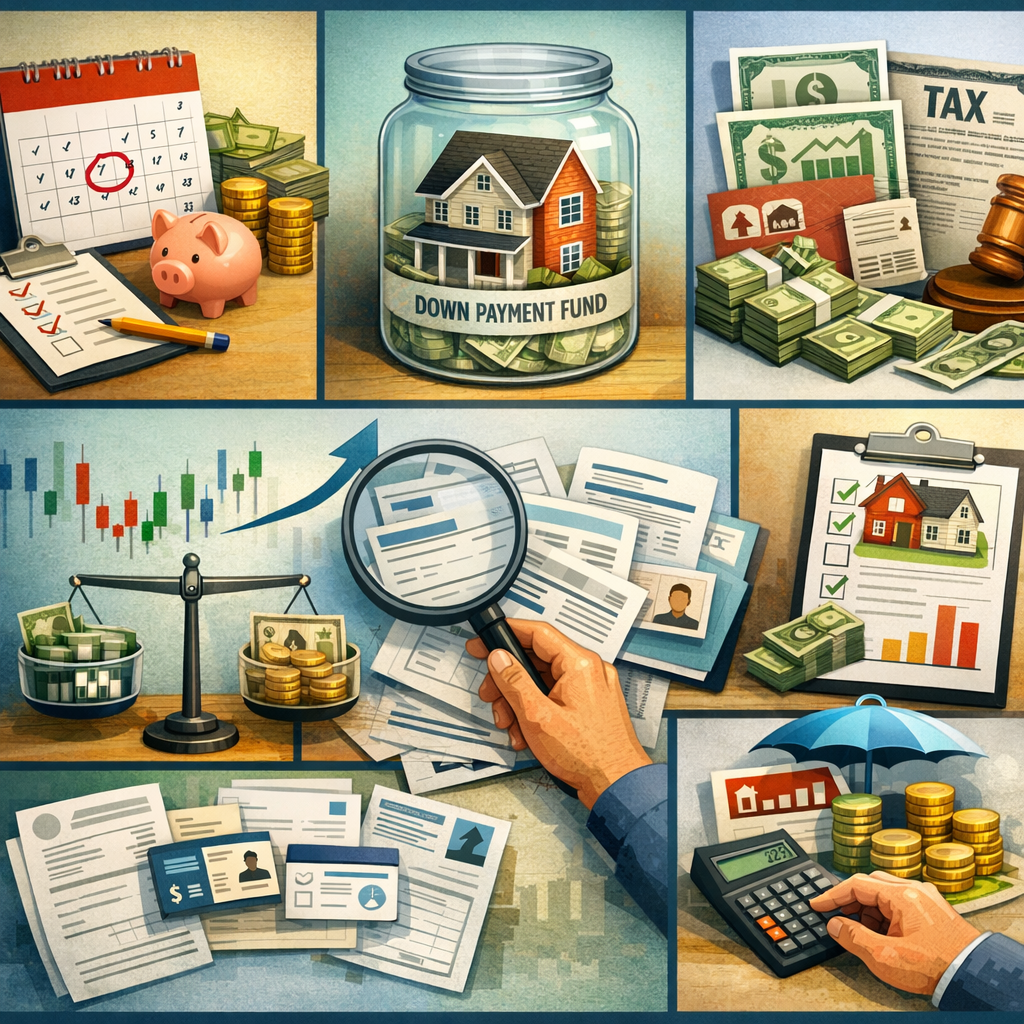
Evaluating Your Asset Portfolio Before Buying a Home
Home-buying asset guide: define timeline and full cash need; map assets by liquidity, volatility, and tax; build a safe down-payment bucket; use tax-smart sales; rebalance and trim concentrations; prep clean docs for underwriting; stress-test payments and reserves.
-

The Pros and Cons of Buying a Fixer-Upper
Fixer-uppers can offer lower prices, equity gains, and customization with less competition. But hidden defects, permits, delays, and costs can derail budgets. Use suitable financing, thorough inspections, realistic bids, and a contingency. Know red flags and market comps.
-

Maximizing Your Home’s Visibility with Virtual Tours
Guide to creating effective real estate virtual tours: pick the right format and platform, stage and light the home, capture steady, high-quality scans, optimize for SEO and speed, distribute everywhere, track results, and hire pros when needed to drive qualified showings.
-

Leveraging Technology in the Home Selling Process
Sell smarter with tech: pro visuals, virtual staging, and SEO-rich listings; data-driven pricing; targeted ads and retargeting; easy, secure showings; offer portals and e-signing; track metrics and A/B test. Blend tools with human guidance to close faster, with less stress.
-
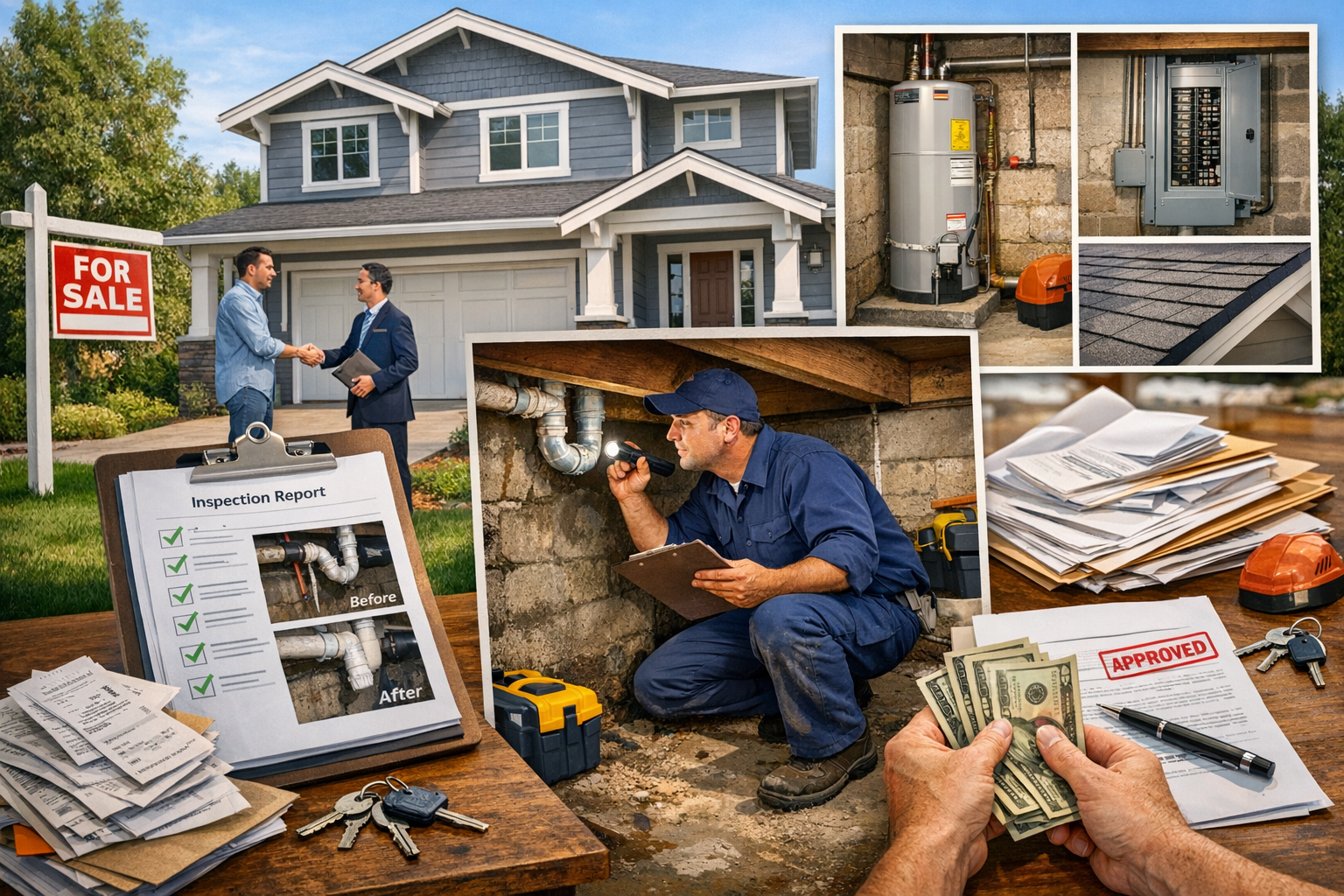
The Benefits of Pre-Listing Home Inspections
Pre-listing home inspections let sellers spot and fix issues early, price accurately, and market with transparency. They cut renegotiations, delays, and cancellations, speed closings, and strengthen offers. Choose a qualified inspector, disclose wisely, and document repairs.
-

The Significance of a Home’s First Impression
The first minute shapes perceived value. Boost curb appeal and entryway: trim, mulch, clean windows, paint the door, upgrade numbers and lighting, declutter, unify warm bulbs. Stage photos and follow quick plans. Small, affordable fixes create a welcoming feel and stronger offers.
-

The Dos and Don’ts of Home Staging
Use staging as marketing: declutter, neutralize with light paint, boost natural and layered lighting, right-size furniture, and spotlight money rooms plus curb appeal. Skip personal items, strong scents, and neglect. Tailor to buyers, stage for photos, and use a simple checklist.
-

Negotiating Repairs After the Home Inspection
Turn inspection findings into a clear, fair repair strategy. Prioritize safety and major systems, know contract deadlines, and tailor asks to market. Use options like seller repairs, credits, or price cuts. Write specific, documented requests, verify work, and keep lenders/insurers aligned.
-

Dealing with Emotional Attachment When Selling Your Home
Selling a beloved home is emotional. This guide explains why attachment skews decisions and gives practical steps: clarify your next-chapter vision, depersonalize, set data-driven pricing and negotiation rules, stage smartly, manage feedback, handle repairs, and leave with grace.
-

Selling a Home with Solar Panels: My Experience
Sell a solar home smoothly by leading with annual bill savings and a complete solar packet: ownership/loan status, permits, utility bills, production, warranties. Clear liens/leases, prep for lender/appraiser, disclose roof/inverter, provide R&R quotes, and plan net metering/warranty transfers.