
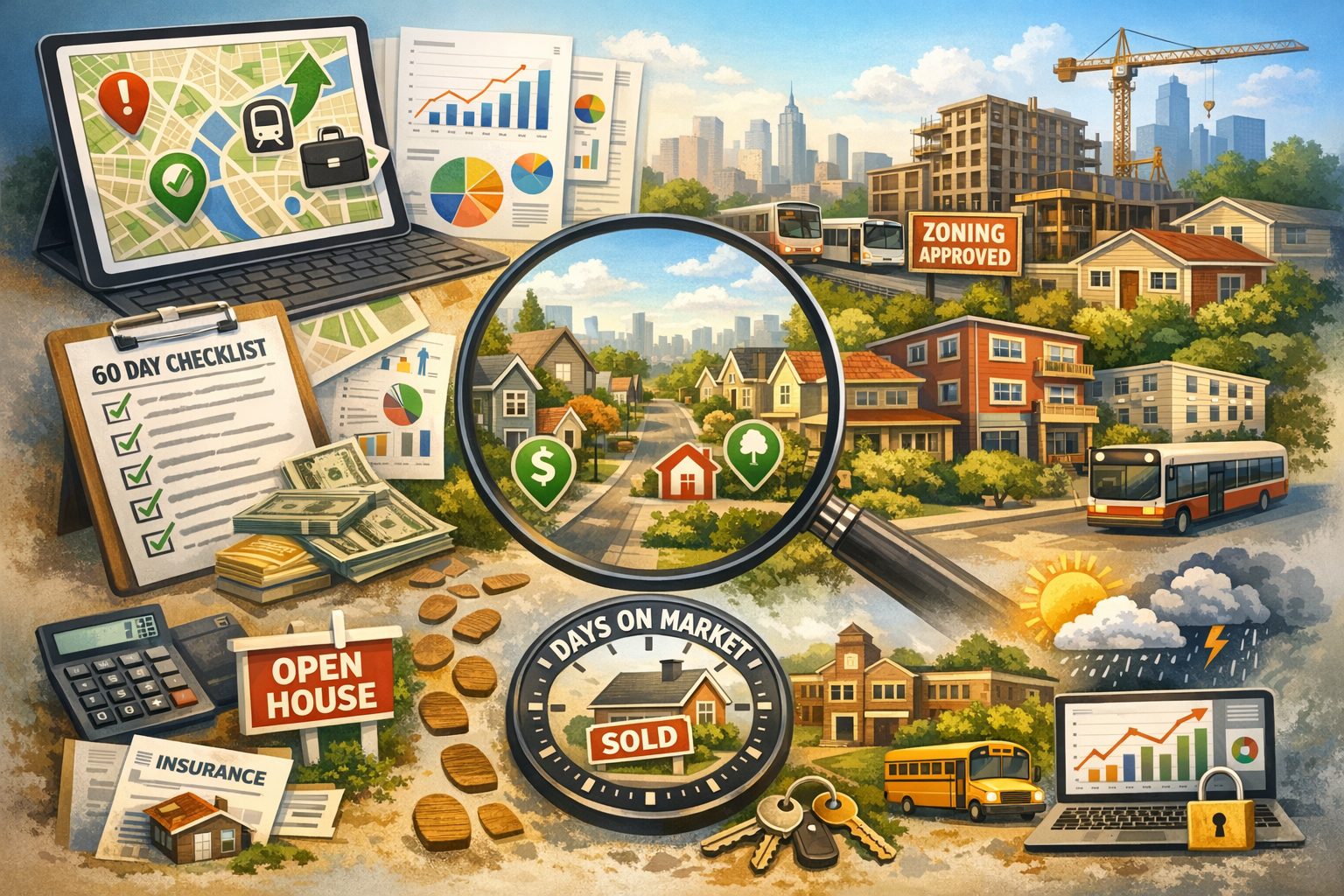
The hunt for the next hot neighborhoods is not guesswork. It is a process driven by data, on-the-ground signals, and an understanding of how cities grow. Buyers, sellers, and investors who learn to read those signs can find value before headlines catch on, then ride the wave of improvement without overpaying. This guide brings together practical real estate market predictions and a repeatable checklist to help you spot areas that are likely to outpace their metro over the next few years.
Think of it as pattern recognition. Neighborhoods do not heat up at random. They tend to follow a playbook that connects jobs, transit, housing policy, safety, retail, and lifestyle. Learn the patterns, verify them with local data, and then work a block-by-block plan.
What Typically Turns an Area Into a Hot Neighborhood
Before you make predictions, understand the core forces that move a street from overlooked to in-demand. You will see these themes in nearly every breakout area, regardless of city size.
Jobs, Demographics, and Household Formation
Employment growth is the engine. A steady inflow of well-paid workers raises demand for nearby housing. Watch for midsize employers expanding a campus, healthcare networks adding facilities, or a tech corridor reaching a new district. Layer that with rising household formation among young adults and downsizers who want walkable living, and you get a stable demand base that supports price growth.
Transit, Infrastructure, and Commute Math
New stations, upgraded bus rapid transit, safer bike lanes, and street improvements shrink effective commute times. The first and second stops outside a central business district often gain the fastest, especially where parking is scarce or traffic is heavy. Public investment in greenways, flood mitigation, and utility upgrades also signals confidence that can pull private money into housing and retail.
Zoning Reform and Housing Supply
Policy sets the pace. When a city legalizes accessory dwelling units, allows duplexes on single-family lots, or upzones along transit corridors, it opens doors for gentle density. More doors mean more local customers for coffee shops and services, which helps the area cross from sleepy to lively. Track rezonings, permit volumes, and incentives like tax abatements or targeted redevelopment districts.
Lifestyle, Safety, and Everyday Amenities
People pay for convenience and community. A cluster of independent cafes, a new grocery option, and a growing roster of childcare providers can be stronger price signals than a luxury tower. Safety trends matter too. A multi-year decline in reported incidents, improved lighting, and active neighborhood associations help reduce perceived risk and invite new residents.
Data Signals That Predict the Next Hot Neighborhoods
Gut instinct is not enough. Combine street-level observations with a small set of metrics that are easy to track per zip code or census tract.
For-Sale and Rental Indicators
- Days on market falling faster than citywide averages.
- List-to-sale price ratios rising toward or above 100 percent.
- Starter homes and condos seeing the tightest inventory, which pulls demand outward block by block.
- Rent growth outpacing the metro, along with lower vacancy on renovated units.
Permits, New Businesses, and Foot Traffic
- Residential permits shifting from zero to steady, especially small multifamily and ADUs.
- Business licenses for food, fitness, childcare, and pet services clustering within a few blocks.
- Weekend and evening foot traffic trending up, which you can spot through local counters, mobile data providers, or your own visits.
Mobility and Commute Improvements
- Transit project timelines with funding locked in and construction underway.
- Protected bike lanes and pedestrian upgrades connecting the area to job centers.
- Car-share and micromobility stations expanding coverage.
Schools, Parks, and Public Realm Signals
- School performance improving over three to five years, or new magnet and charter options opening nearby.
- Park renovations, trail extensions, and waterfront access work beginning or completing.
- Facade grants and storefront improvement programs that help existing businesses upgrade.
Climate and Insurance Costs
- Lower exposure to flood, wildfire, or extreme heat compared with nearby districts.
- Stable or improving access to insurance at reasonable premiums.
- City investments in resilience, such as stormwater upgrades and urban tree canopy.
Categories of Places Poised to Pop Next
Markets differ, but the same types of neighborhoods often emerge as the next hot spots. Use these categories to frame your search, then validate with local data.
Inner-Ring Suburbs With New or Upgraded Transit
Look for modest midcentury housing stock, small downtown main streets, and a new rail stop or bus rapid transit corridor. Residents get shorter commutes without central city prices, which draws renters and starter-home buyers. Zoning that permits small apartment buildings or townhomes near stations amplifies the effect.
Industrial-to-Residential Corridors Just Outside Downtown
Old warehouses, vacant lots, and wide streets are raw materials for mixed-use districts. When a city adds lighting, sidewalks, and stormwater upgrades, and developers start adaptive reuse projects, values can move quickly. Early movers are often artists, design firms, and breweries, followed by midscale apartments and grocers.
College-Adjacent Districts Shifting to Mixed-Age Living
Areas that once served only students can mature into balanced neighborhoods when universities partner with cities on safety, retail, and research space. Add transit reliability and improved public spaces, and you get year-round demand from faculty, medical workers, and remote professionals who want walkable services.
Small-City Downtowns Near High-Cost Metros
Remote and hybrid work pushed some demand into satellite cities with intact historic cores. The best candidates have restored theaters, coworking spaces, reliable broadband, and reasonable train or highway access to a major job hub. Infill townhomes and loft conversions often lead appreciation.
Amenity-Rich Towns With Diversifying Economies
Mountain, lake, or coastal towns that add healthcare facilities, trades education, and light industrial space can support year-round households. If the area also invests in wildfire mitigation or flood control, it can draw buyers seeking lifestyle without excessive risk.
How to Vet a Target Block in the Next 60 Days
Turn predictions into a plan with a short field and data sprint. You do not need expensive tools to build conviction.
- Map the moves. Draw a 1-mile radius around a transit project, hospital expansion, or rezoned corridor. Note schools, parks, and retail nodes.
- Walk it twice, day and night. Count active storefronts, observe foot traffic, and talk with local shop owners about who is moving in and why.
- Pull comps and trends. Track 24 months of median price per square foot, days on market, cash purchase share, and list-to-sale ratios for the microarea.
- Check permits. Review residential and commercial permits, plus code enforcement trends. A shift from major violations to routine maintenance is a positive sign.
- Watch rentals. Compare renovated 1-bed and 2-bed rents to the metro average. A gap that is closing, paired with low vacancy, is a leading indicator.
- Stress test risks. Price flood, fire, and wind risk by address, then get insurance quotes. Model taxes and HOA or condo fees at higher interest rates.
- Time the buy. If inventory is thin, target off-market leads through local agents, builders, and neighborhood associations. Be patient, but be ready.
Strategies for Buyers, Sellers, and Renters
Different goals call for different tactics. Use market signals to tailor your move.
Buyers and Small Investors
- Focus on quality streets near the strongest anchors, such as a renovated park or station, not just the cheapest listing.
- Favor flexible floor plans that can support roommates or multigenerational living, which protects cash flow if rent growth slows.
- Consider light value-add. Kitchens, baths, and energy upgrades in a rising area can compound returns without heavy construction risk.
- Lock financing early and rate-shop. A firm preapproval helps you move fast when the right property surfaces.
Homeowners and Sellers
- Track nearby permits and retail openings to time your sale into the first credible wave of neighborhood press.
- Invest in curb appeal and small repairs. In growth areas, buyers pay a premium for move-in ready homes.
- If upgrading within the same microarea, sell and buy in the same market cycle to reduce timing risk.
Renters and Future Buyers
- Test-drive the area with a 12-month lease near the planned improvements.
- Build local relationships now. Some of the best purchases never hit public listings.
- Set alerts for specific blocks and property types so you can act when supply appears.
Risks That Can Derail a Predicted Hot Spot
No forecast is perfect. Guard against common pitfalls before you commit capital.
Speculative Hype Without Fundamentals
If prices are jumping but job access, schools, and amenities are lagging, you may be buying into marketing rather than growth. Validate rent rolls, absorption, and actual resident demand, not just renderings.
Project or Policy Delays
Transit or rezoning timelines can slip. Underwrite your deal so it still works if a station opens two years late or a density bonus changes. Talk with planners and contractors to gauge realistic schedules.
Climate, Insurance, and Maintenance Costs
Premiums can climb faster than rents or incomes. Model worst-case insurance costs and capital reserves for roofs, foundations, and mechanicals. Favor properties with mitigation features and resilient materials.
Putting Real Estate Market Predictions to Work
The next hot neighborhoods emerge where demand and policy meet livable streets. Look for a catalyst, confirm it with measurable signals, and study the blocks that already show energy. Act with discipline: buy quality in the path of progress, underwrite conservatively, and plan to hold through normal market noise.
If you want an edge, build a local dashboard that tracks a few high-signal metrics each month, then pair those with consistent walk-throughs. The combination of data and shoe leather is what turns real estate market predictions into confident decisions. Do the work now, and your future self will thank you from a front porch in a neighborhood everyone suddenly wants to be part of.
Leave a Reply