
Category: Video Library
-

The Seller’s Guide to Understanding Buyer Personas
Seller’s guide to data-driven buyer personas (vs ICP): define, research, and validate; map to buyer journey; tailor discovery, messaging, and proof; handle objections; avoid pitfalls; measure impact; use ethically to shorten cycles and boost win rates.
-

The Benefits of Offering Seller Financing: A Case Study
Owner financing lets sellers act as the lender: take a down payment, carry a note, close faster, widen the buyer pool, and earn interest. In a 420k deal, it sold in 19 days with a 5-year balloon. Success hinges on solid underwriting, servicing, and compliance.
-
What Should You Fix Before putting Your Home on the Market
Before selling your home, focus on repairs that protect value and build buyer confidence. Not every upgrade is worth the cost. My-REBO helps homeowners make informed decisions about where to spend and where to hold back.
-
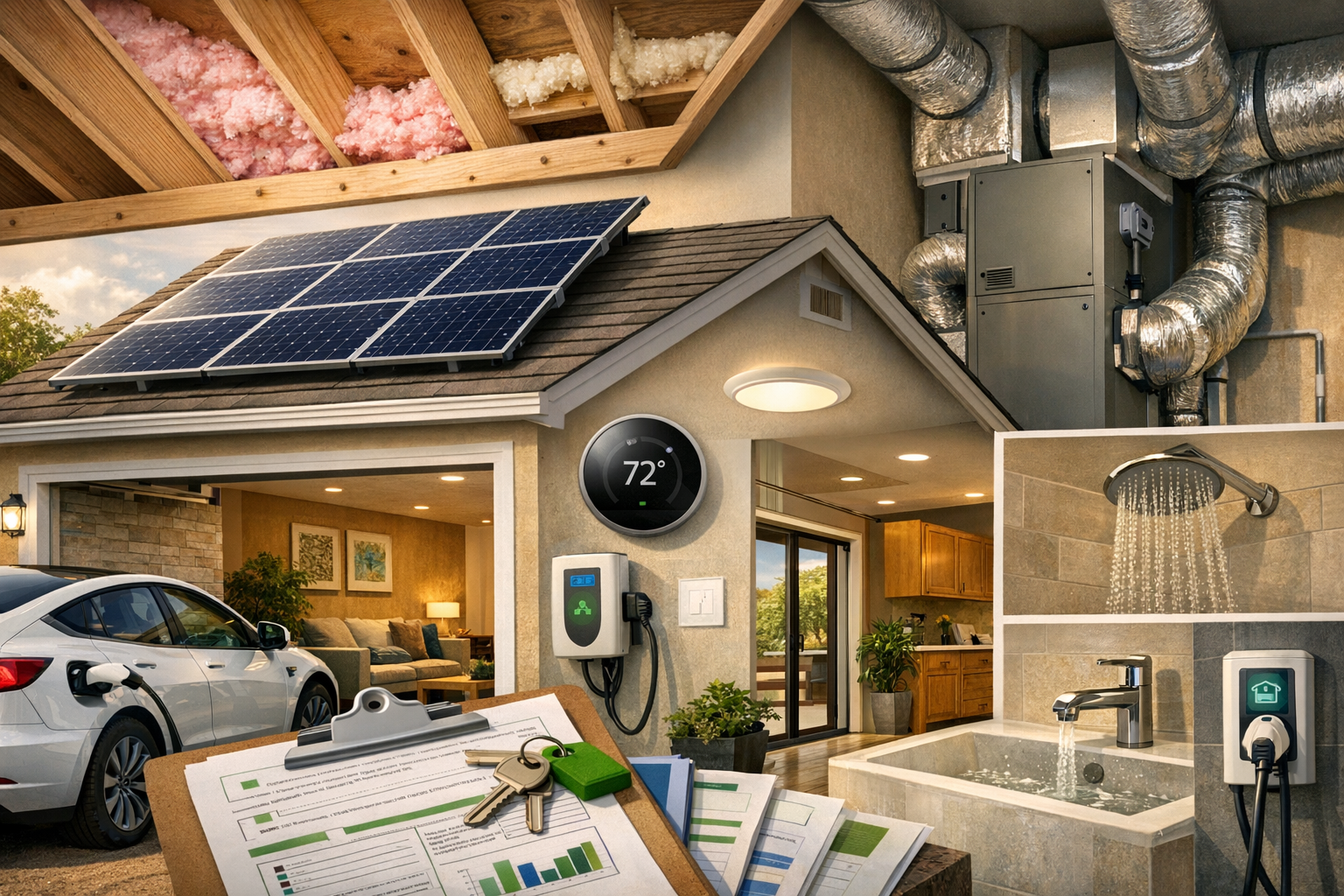
Eco-Friendly Upgrades That Can Help Sell Your Home
Green upgrades cut bills, boost comfort and air quality, and make listings stand out—speeding sales and value. Focus on air sealing/insulation, efficient HVAC, LEDs, WaterSense fixtures, EV-ready smart tech, and solar. Keep clear docs and keywords for buyers.
-

Setting the Stage: The Impact of Landscaping on Your Home Sale
Boost your home sale with focused, tidy landscaping. Sharpen edges, fix lawn or low-water alternatives, prune, add mulch, light paths, and refresh entry hardware. Keep plants simple, stage one seating zone, avoid high-maintenance features. Clean before photos/showings.
-

Facing Unexpected Repairs During the Home Selling Process
Get ahead of surprise repairs when selling your home. Learn how to triage safety and big-ticket issues, decide between fixing or credits, navigate FHA/VA hurdles, manage contractors, escrow and warranties, document and disclose properly, and keep the deal moving to close.
-

How I Handled Lowball Offers on My Property
Facing 10–30% lowball offers, the seller used a calm, data-led playbook: verify buyer strength, re-anchor with comps, counter near target (optimize terms), invite best-and-final or walk. Improve pricing/presentation to deter lowballs, read market, and choose offers by net, not sticker.
-

The Power of Professional Photography in Home Selling
Professional real estate photography turns fast-scrolls into clicks, showings, and stronger offers. Pros control light and composition, tell a clear story, and meet MLS rules. Add-ons (drone, twilight, floor plans, 3D, video) and simple prep speed sales and build buyer trust.
-

How I Managed Selling My Home While Living Abroad
Guide to selling a home from abroad: pick a remote-savvy agent, set POA and decision rules, use e-sign/online notary, prep with repairs and pro media, price via data, streamline showings and comms, manage contingencies, prevent wire fraud, and close with tight checklists.
-

Veterans’ Home Loans: Benefits of VA Mortgages
VA-backed mortgages help eligible service members, veterans, and eligible surviving spouses buy primary homes with zero down, no PMI, competitive rates, and flexible credit. Get a COE, preapproval, and know entitlement. Options include IRRRL, cash-out, assumptions, and special programs.
-

Co-signing a Mortgage: Risks and Responsibilities
Co-signing a mortgage can speed approval but makes you equally liable and hits your credit and DTI. Know roles, risks, and default fallout; use written safeguards, monitoring, and exit plans; consider alternatives; and account for tax and estate implications.
-

Understanding ‘Green’ Mortgages
Green mortgages reward energy-efficient homes or upgrades with rate discounts, fee credits, more borrowing power, and simpler underwriting. Qualify via energy assessments; prioritize insulation/air sealing and right-sized HVAC; stack rebates; compare lenders.
-

Self-Employed? Tips for Getting a Mortgage
Self-employed? Secure a mortgage by proving stable income (usually 2 years of returns), strong credit, low DTI, and solid reserves. Organize tax/bank/P&L docs, keep finances clean, use addbacks, and compare conventional, non-QM, and government loan options. Shop lenders.
-

Planning for the Future: How Home Equity Works
Home equity is the gap between value and debt. It grows via payments, appreciation, and upgrades. Lenders use appraisals, LTV/CLTV to set limits. Access via HELOC, home equity loan, cash‑out refi, or reverse mortgage. Use for valuable goals, mind costs, rates, taxes, risks.
-

Understanding Escrow in the Home Buying Process
Escrow is a neutral third party that holds funds and documents in a home purchase until all conditions are met. It protects buyers and sellers, coordinates inspections, title, loan and closing, manages fees and deadlines, and reduces risks like delays and wire fraud.