
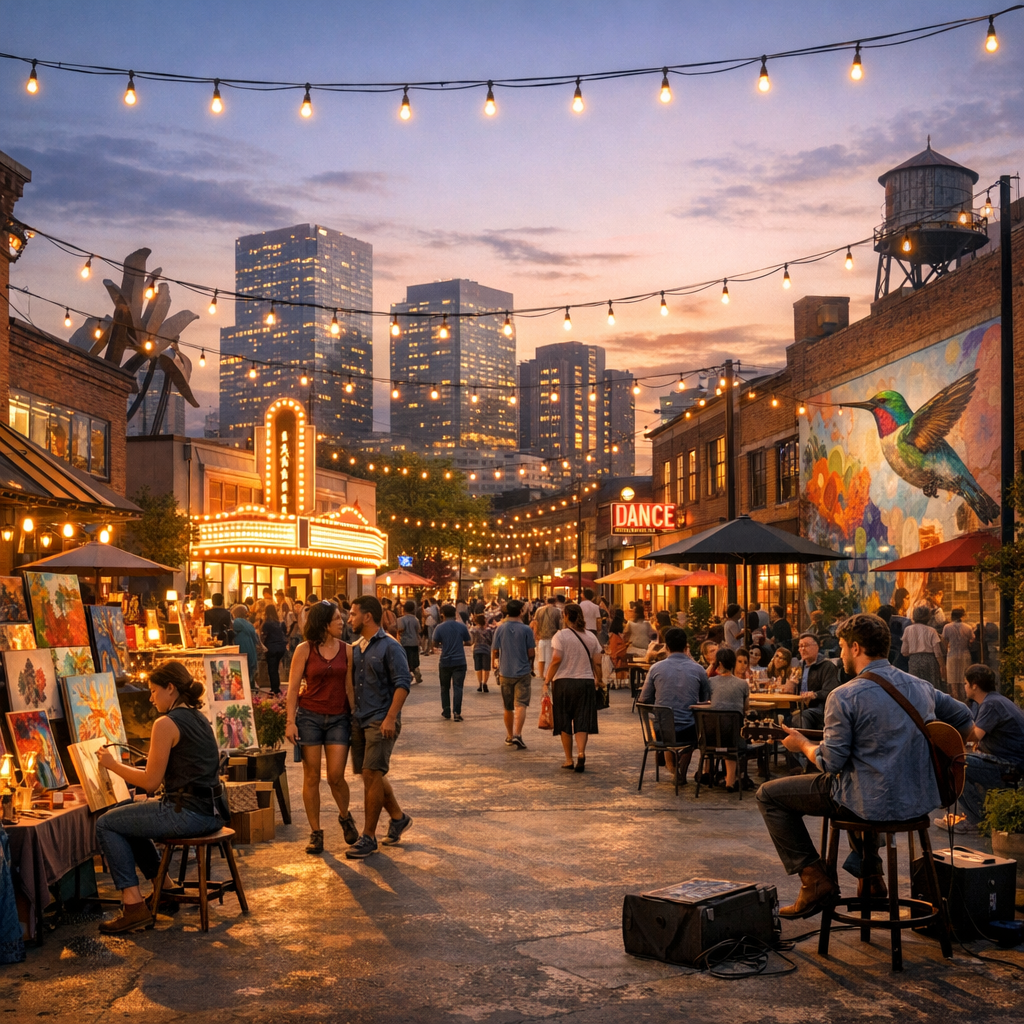
Art and culture districts have become defining features of urban revitalization efforts across the globe. These designated areas, often developed through public-private partnerships, serve as hubs for creative industries, galleries, performance spaces, and cultural institutions. Beyond their aesthetic and social contributions, they have a measurable impact on local economies—particularly on property values.
Economic Revitalization Through Cultural Investment
The establishment of an art and culture district often signals a city’s commitment to fostering creativity and innovation. Investments in cultural infrastructure attract visitors, stimulate local businesses, and create employment opportunities. As foot traffic increases, demand for nearby residential and commercial spaces tends to rise, leading to higher property values and rental rates.
Attracting Residents and Businesses
Creative districts appeal to a diverse demographic, including artists, entrepreneurs, and young professionals seeking vibrant, walkable neighborhoods. The presence of galleries, theaters, and public art installations enhances the area’s livability and desirability. Businesses, particularly those in hospitality and retail, are drawn to these districts to capitalize on the steady flow of visitors and residents, further driving up property demand.
The Role of Public Policy and Urban Planning
Municipal governments play a crucial role in shaping the success of art and culture districts. Through zoning incentives, tax credits, and grants, cities can encourage the adaptive reuse of historic buildings and the development of mixed-use spaces. Thoughtful planning ensures that cultural growth aligns with community needs, balancing economic development with social equity.
Challenges: Gentrification and Displacement
While rising property values can indicate economic success, they also pose challenges. Increased demand often leads to higher rents, which can displace long-term residents and small businesses. To mitigate these effects, some cities implement affordable housing initiatives, artist residency programs, and community land trusts to preserve cultural diversity and accessibility.
Long-Term Impacts on Urban Identity
Over time, art and culture districts contribute to a city’s identity and global reputation. They become symbols of creativity, inclusivity, and innovation, attracting tourism and investment. When managed sustainably, these districts can maintain their cultural authenticity while continuing to enhance property values and community well-being.
Conclusion
The influence of art and culture districts on property values extends beyond simple economics. These areas embody the intersection of creativity, community, and commerce. By fostering cultural vibrancy and supporting equitable development, cities can ensure that the benefits of rising property values are shared broadly, preserving both the artistic spirit and the social fabric that make these districts thrive.
Leave a Reply