
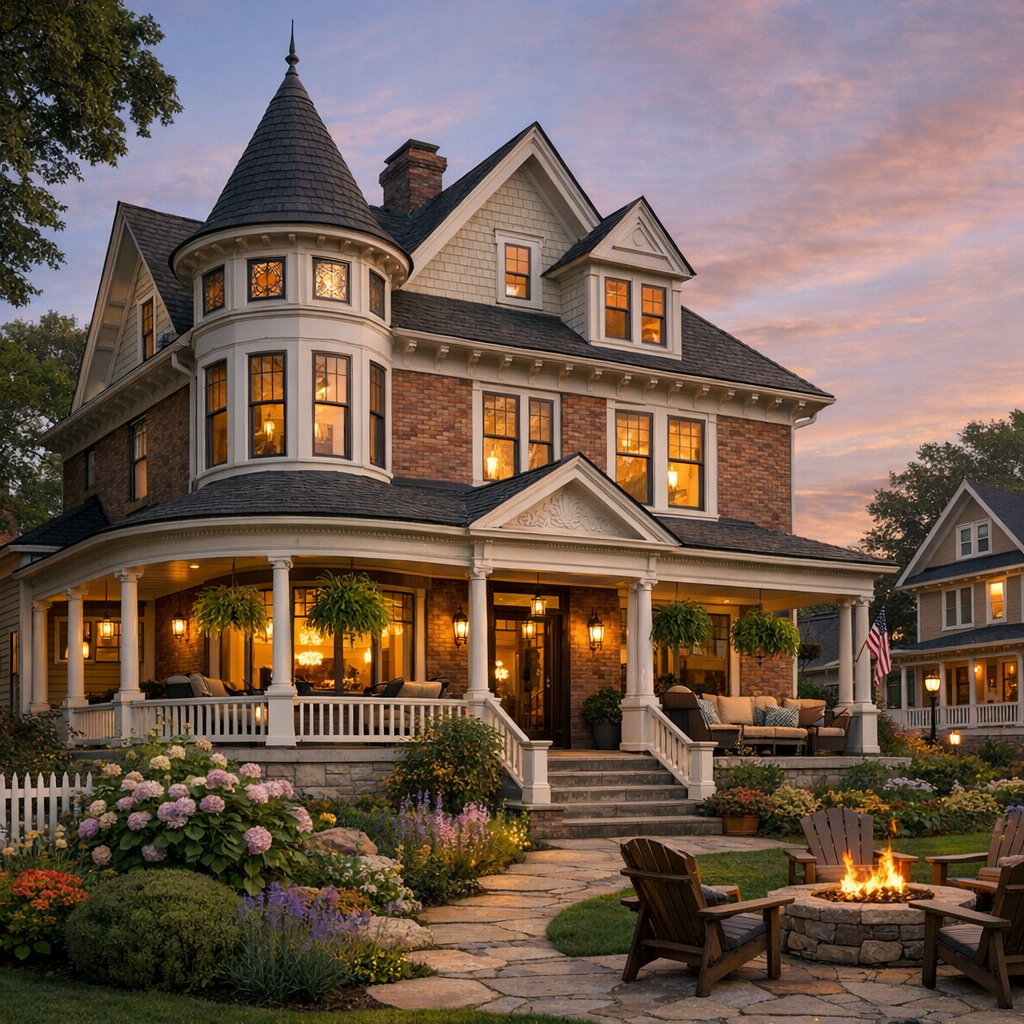
In recent years, the real estate market has witnessed a renewed interest in historic homes. Once considered outdated or impractical, these properties are now being celebrated for their craftsmanship, architectural detail, and cultural significance. Buyers are increasingly drawn to the charm and character that only a historic home can offer, blending the nostalgia of the past with the conveniences of modern living.
The Appeal of Timeless Architecture
Historic homes often feature architectural styles that are no longer commonly built, such as Victorian, Colonial, or Craftsman designs. These homes showcase intricate woodwork, stained glass, and unique floor plans that reflect the artistry of their era. For many buyers, owning a historic property is not just about having a place to live—it’s about preserving a piece of history and embracing the stories embedded within its walls.
Modern Upgrades Meet Classic Design
One of the key factors driving the resurgence of historic homes is the ability to integrate modern amenities without compromising authenticity. Advances in restoration techniques and sustainable building materials have made it easier to update older homes with energy-efficient systems, smart technology, and contemporary comforts. Homeowners can now enjoy the best of both worlds: the elegance of a bygone era and the functionality of modern design.
Economic and Community Benefits
Investing in historic properties can also be financially rewarding. Many local governments offer tax incentives and grants for the restoration of designated historic homes, encouraging preservation efforts. Additionally, revitalizing older neighborhoods often leads to increased property values and stronger community ties. Historic districts tend to attract tourism, local businesses, and cultural events, further enhancing the area’s economic vitality.
Challenges of Preservation
Despite their appeal, historic homes come with unique challenges. Restoration projects can be costly and time-consuming, requiring specialized materials and skilled craftsmanship. Homeowners must also adhere to preservation guidelines that restrict certain modifications. However, for those passionate about heritage and design, these challenges are often outweighed by the satisfaction of maintaining a piece of architectural history.
The Future of Historic Real Estate
As sustainability and authenticity become increasingly important to buyers, the demand for historic homes is expected to continue growing. Real estate developers and preservationists are finding innovative ways to adapt these properties for modern lifestyles while maintaining their historical integrity. This balance between old and new not only enriches the housing market but also ensures that the legacy of historic architecture endures for generations to come.
Ultimately, the resurgence of historic homes in modern real estate reflects a broader cultural shift toward valuing craftsmanship, sustainability, and a sense of place. By breathing new life into these timeless structures, homeowners and communities alike are preserving the past while shaping a more meaningful and connected future.
Leave a Reply