
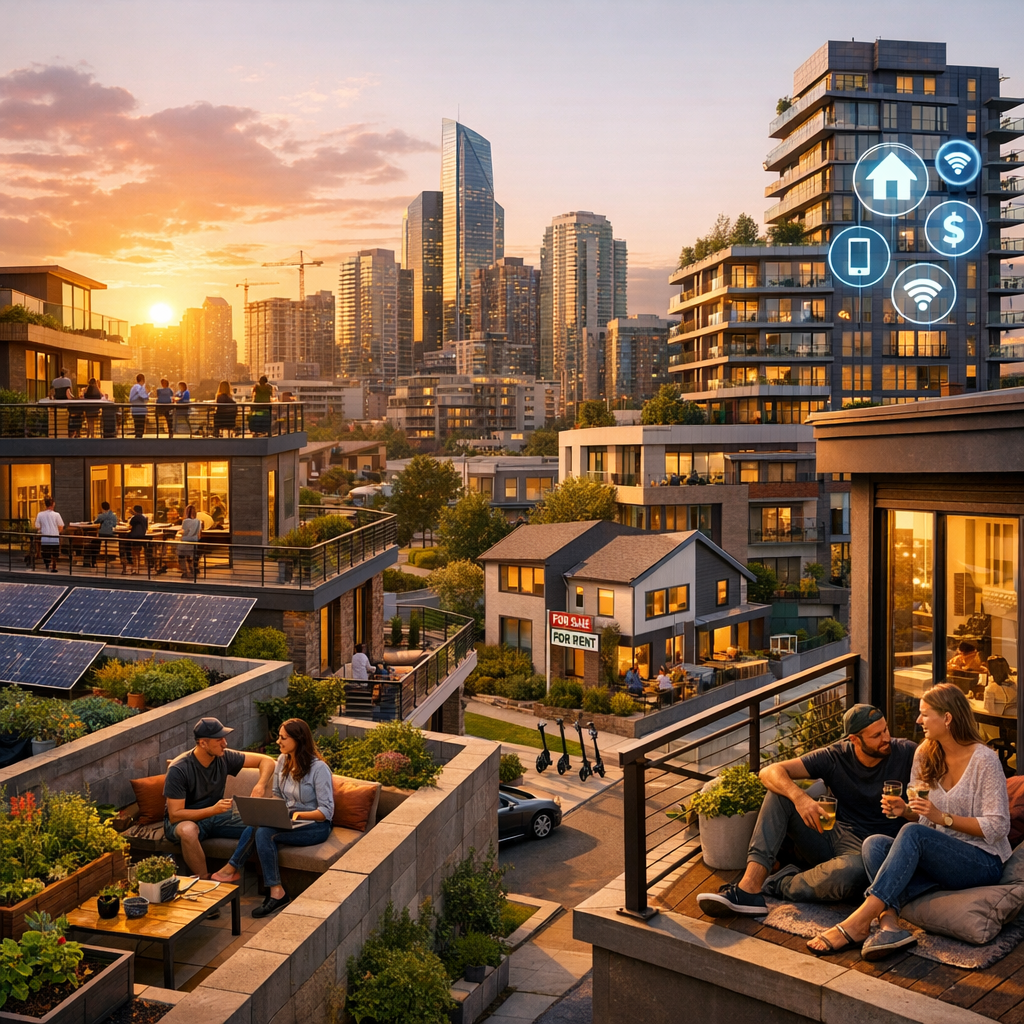
Millennials, those born between 1981 and 1996, are now the largest generation in the workforce and a dominant force in the housing market. Their preferences, values, and financial realities are transforming how real estate is developed, marketed, and sold. As this generation continues to mature, their influence on the real estate industry is becoming increasingly evident.
Emphasis on Urban Living and Walkability
Millennials tend to prioritize convenience and lifestyle over square footage. Many prefer living in urban or mixed-use neighborhoods that offer easy access to work, entertainment, and public transportation. This has led to a surge in demand for properties located near city centers, as well as the revitalization of older urban areas. Developers are responding by creating communities that emphasize walkability, green spaces, and proximity to amenities.
Technology-Driven Home Buying
Technology plays a central role in how millennials approach real estate. From virtual tours and online mortgage applications to digital closing processes, this generation expects a seamless, tech-enabled experience. Real estate agents and companies that leverage digital tools, social media marketing, and data analytics are better positioned to attract millennial buyers. The rise of real estate apps and platforms has also made it easier for millennials to research neighborhoods, compare prices, and make informed decisions.
Focus on Sustainability and Energy Efficiency
Environmental consciousness is another defining characteristic of millennial homebuyers. They are more likely to seek out homes with energy-efficient appliances, solar panels, and sustainable building materials. Developers and builders are increasingly incorporating green design principles to meet this demand. Beyond personal preferences, millennials view sustainability as a long-term investment that can reduce costs and increase property value over time.
Affordability and Creative Financing
Despite their enthusiasm for homeownership, many millennials face financial challenges such as student loan debt and rising property prices. As a result, they are exploring alternative paths to ownership, including co-buying with friends or family, investing in smaller starter homes, or purchasing properties in emerging markets. The popularity of remote work has also expanded their options, allowing them to consider more affordable locations outside major metropolitan areas.
Preference for Flexible and Multi-Functional Spaces
The shift toward remote and hybrid work has changed what millennials look for in a home. They value flexible layouts that can accommodate home offices, gyms, or creative spaces. Open floor plans, smart home technology, and adaptable designs are increasingly in demand. Builders and designers are responding by creating homes that can evolve with changing lifestyles and work patterns.
Impact on Real Estate Investment Trends
Millennials are not only buying homes for personal use but also exploring real estate as an investment opportunity. Many are turning to short-term rental platforms or investing in multi-family properties to generate passive income. Their tech-savvy nature allows them to leverage online investment tools and crowdfunding platforms, democratizing access to real estate investment opportunities that were once limited to high-net-worth individuals.
Conclusion
Millennials are redefining the real estate landscape through their unique blend of values, technological fluency, and financial pragmatism. Their preferences are driving innovation in housing design, sustainability, and digital engagement. As they continue to enter the market in greater numbers, the real estate industry will need to adapt to their evolving expectations. Ultimately, the millennial generation is not just participating in the housing market—they are shaping its future.
Leave a Reply