
Understanding the Smart Home Ecosystem
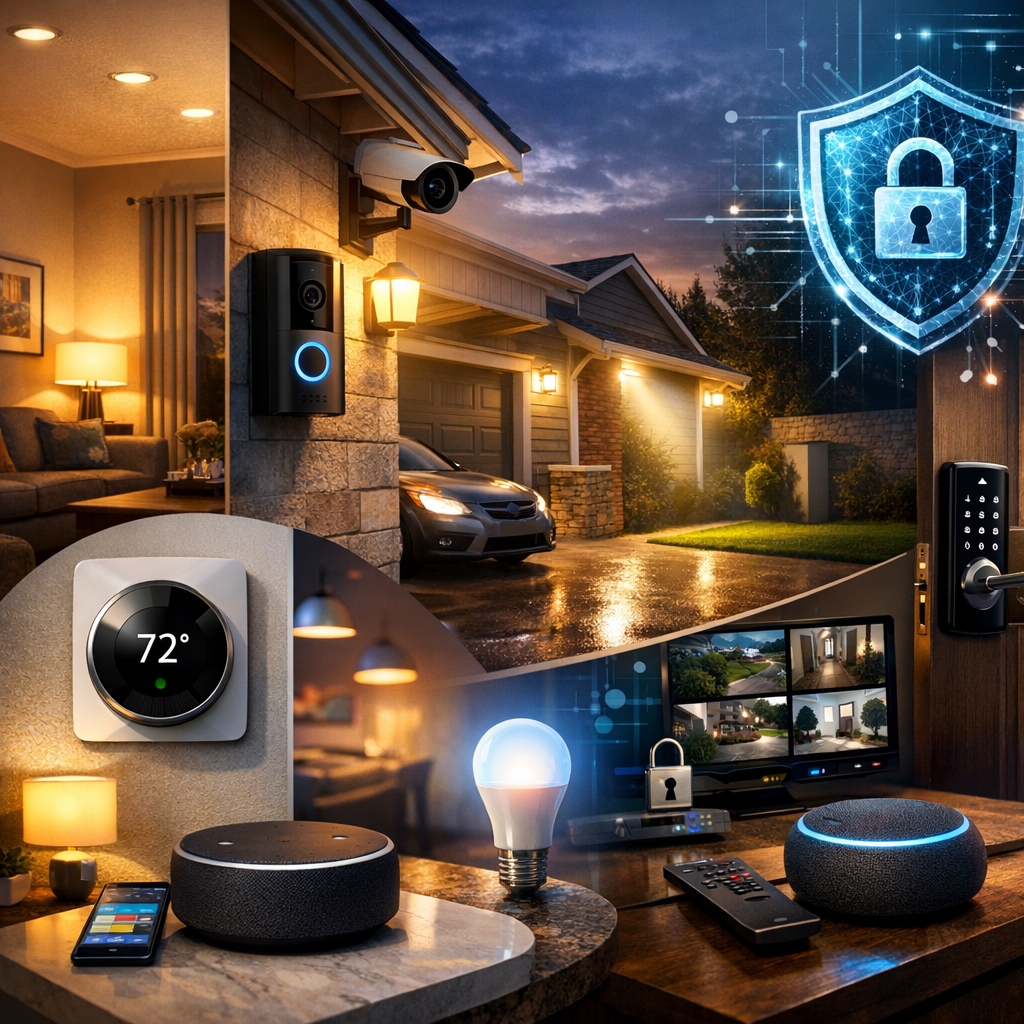
A smart home is built on interconnected devices that communicate through a central network, often managed via a smartphone app or voice assistant. These devices range from smart lighting and thermostats to security cameras, door locks, and even kitchen appliances. The key to a successful conversion lies in selecting compatible devices that can seamlessly integrate into a unified ecosystem, ensuring smooth operation and minimal technical issues.
Planning the Conversion
Before diving into the installation of smart devices, homeowners should assess their needs and priorities. Some may focus on energy efficiency, while others prioritize security or entertainment. Creating a roadmap helps prevent unnecessary purchases and ensures that each addition contributes to the overall functionality of the home. It’s also important to evaluate the home’s Wi-Fi coverage, as a strong and reliable network forms the backbone of any smart home system.
Key Areas of Smart Home Integration
1. Smart Lighting
Smart lighting systems allow users to control brightness, color, and scheduling through mobile apps or voice commands. They can automatically adjust based on time of day or occupancy, reducing energy consumption and enhancing ambiance.
2. Climate Control
Smart thermostats learn user preferences and adjust heating or cooling accordingly. They can detect when residents are home or away, optimizing energy use and lowering utility bills without sacrificing comfort.
3. Security and Surveillance
Modern smart security systems include cameras, motion sensors, and smart locks that can be monitored remotely. Real-time alerts and video feeds provide peace of mind, while integration with other devices ensures a coordinated response to potential threats.
4. Entertainment and Connectivity
Smart speakers, streaming devices, and connected TVs bring entertainment to new levels of convenience. Voice assistants can manage playlists, control volume, and even integrate with other smart devices for a fully immersive experience.
Challenges and Considerations
While the benefits of smart home technology are clear, challenges such as compatibility issues, data privacy, and cybersecurity must be addressed. Homeowners should research manufacturers’ security protocols, regularly update firmware, and use strong passwords to protect their networks. Additionally, ensuring that devices from different brands can communicate effectively prevents frustration and system inefficiencies.
The Future of Smart Homes
As artificial intelligence and the Internet of Things (IoT) continue to evolve, smart homes will become even more intuitive and adaptive. Future systems may anticipate user needs, manage energy consumption autonomously, and seamlessly integrate with broader smart city infrastructures. The ultimate goal is to create living spaces that are not only efficient but also responsive to the habits and preferences of their occupants.
Conclusion
Converting a traditional home into a smart home is a journey that blends technology with lifestyle. By carefully selecting devices, ensuring compatibility, and maintaining security, homeowners can create an environment that enhances comfort, safety, and sustainability. The smart home revolution is not just about gadgets—it’s about transforming the way we live, interact, and connect within our personal spaces.
Leave a Reply