
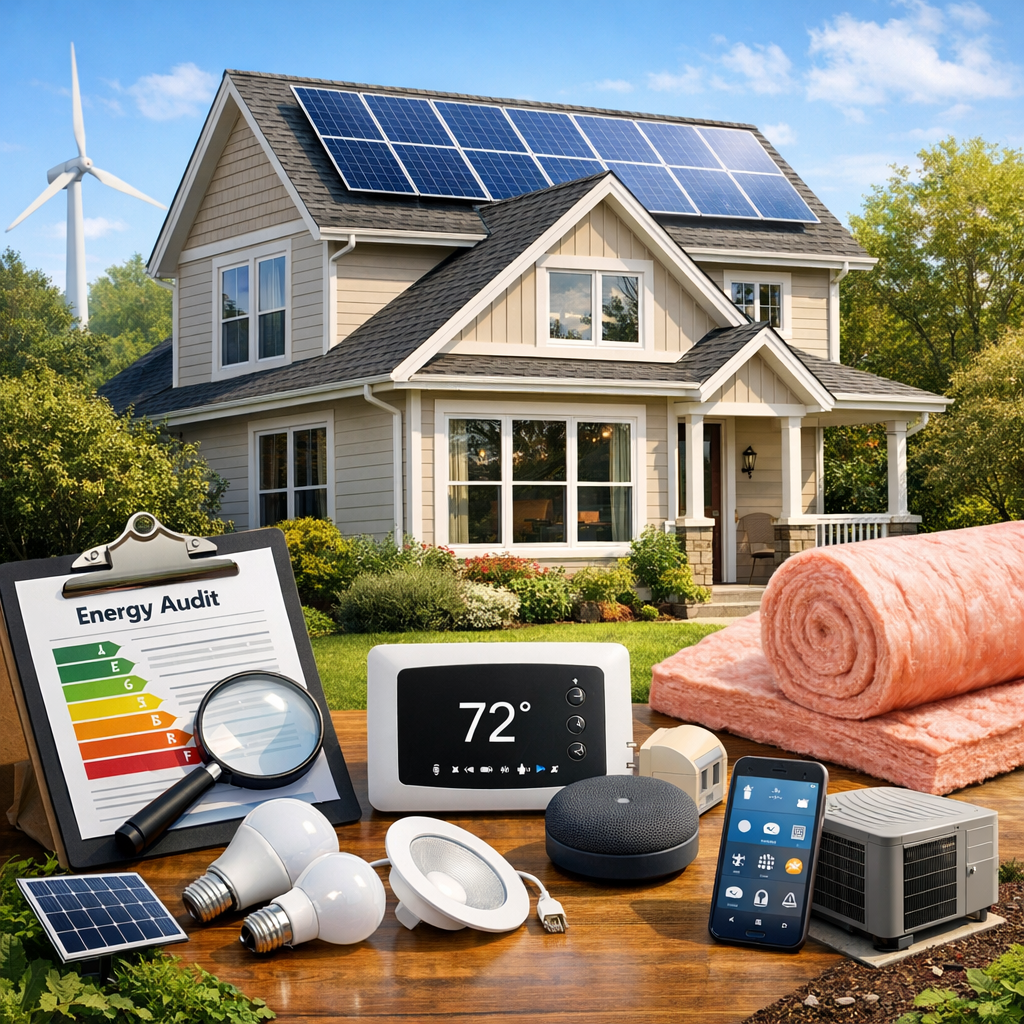
Understanding Energy Efficiency
Energy efficiency refers to using less energy to perform the same tasks. In a home, this means reducing wasted energy through better insulation, efficient appliances, and smarter energy management. The goal is to maintain comfort while lowering energy use and costs.
Conducting an Energy Audit
Before making upgrades, it’s wise to conduct a home energy audit. This assessment identifies areas where energy is being lost and highlights opportunities for improvement. Professional auditors use specialized tools to measure air leaks, insulation levels, and system performance. Many utility companies offer audits at low or no cost.
Insulation and Air Sealing
Proper insulation and air sealing are foundational to energy efficiency. Heat loss through walls, roofs, and floors can account for a large portion of energy waste. Adding insulation to attics, basements, and crawl spaces helps maintain consistent indoor temperatures. Sealing gaps around windows, doors, and ductwork prevents drafts and reduces heating and cooling demands.
Upgrading Windows and Doors
Energy-efficient windows and doors can significantly reduce heat transfer. Look for products with low-emissivity (Low-E) coatings and multiple panes filled with inert gas. Proper installation is essential to prevent air leaks and ensure maximum performance. In some cases, adding storm windows or applying window films can be a cost-effective alternative to full replacement.
Heating and Cooling Systems
Heating and cooling account for a large portion of household energy use. Upgrading to high-efficiency furnaces, boilers, or heat pumps can yield substantial savings. Regular maintenance, such as changing filters and cleaning ducts, also improves efficiency. Smart thermostats allow homeowners to optimize temperature settings and reduce energy use when the home is unoccupied.
Lighting and Appliances
Switching to LED lighting is one of the simplest and most cost-effective upgrades. LEDs use up to 75% less energy and last significantly longer than incandescent bulbs. When replacing appliances, choose models with the ENERGY STAR label, which indicates superior efficiency. Consider upgrading refrigerators, dishwashers, washing machines, and water heaters for long-term savings.
Renewable Energy Options
For homeowners looking to take efficiency to the next level, renewable energy systems such as solar panels or small wind turbines can offset electricity costs. Solar water heaters and geothermal heat pumps are also viable options in many regions. Incentives and tax credits may be available to help offset installation costs.
Water Conservation
Reducing water use contributes to energy savings, especially when heating water. Install low-flow faucets, showerheads, and toilets to minimize waste. Insulating hot water pipes and using a high-efficiency water heater can further reduce energy consumption.
Smart Home Technology
Smart home devices provide greater control over energy use. Programmable thermostats, smart plugs, and energy monitoring systems help track and manage consumption in real time. Automated lighting and occupancy sensors ensure that energy is only used when needed.
Financing and Incentives
Many governments and utility companies offer rebates, tax credits, and low-interest loans for energy-efficient upgrades. Research available programs before beginning your project to maximize savings. Investing in efficiency not only reduces monthly expenses but can also increase property value.
Conclusion
Energy efficiency upgrades are an investment in your home’s comfort, sustainability, and long-term affordability. By taking a strategic approach—starting with an energy audit and prioritizing improvements—you can create a more efficient, environmentally friendly living space that benefits both your household and the planet.
Leave a Reply