
<article>
  <h1>Closing Documents Explained: What You'll Be Signing</h1>
  <p>Buying a home or finalizing a major real estate transaction is an exciting milestone, but it also involves a significant amount of paperwork. Understanding what you’re signing at the closing table can help you feel confident and prepared. Below is a breakdown of the most common closing documents and what each one means for you.</p>

  <h2>The Closing Disclosure</h2>
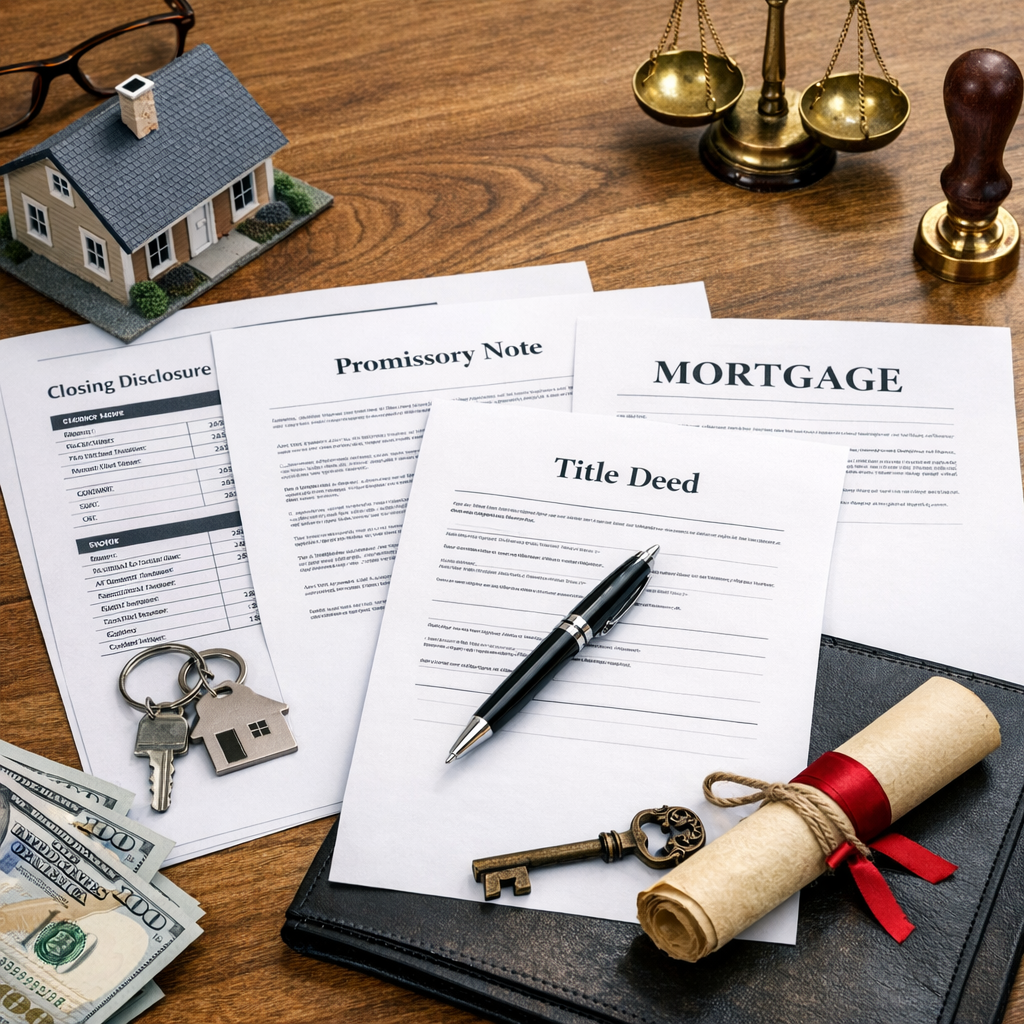
  <p>The Closing Disclosure is one of the most important documents you’ll review. It outlines the final terms of your loan, including the interest rate, monthly payments, closing costs, and any other fees. You should receive this document at least three business days before closing, giving you time to review it carefully and compare it to your original Loan Estimate.</p>

  <h2>The Promissory Note</h2>
  <p>The promissory note is your written promise to repay the loan. It details the amount borrowed, the interest rate, payment schedule, and the consequences of failing to make payments. By signing this document, you are legally agreeing to repay the lender according to the specified terms.</p>

  <h2>The Mortgage or Deed of Trust</h2>
  <p>This document secures the loan with the property you’re buying. It gives the lender the right to take possession of the property if you fail to meet your repayment obligations. Depending on your state, this document may be called a mortgage or a deed of trust, but both serve the same purpose.</p>

  <h2>The Title Documents</h2>
  <p>Title documents confirm that the seller has the legal right to transfer ownership of the property to you. You’ll receive a title insurance policy, which protects you and your lender from any future claims or disputes over ownership. Reviewing these documents ensures that the property’s title is clear and free of liens or encumbrances.</p>

  <h2>The Bill of Sale</h2>
  <p>If the property includes personal items such as appliances or furniture, the bill of sale lists these items and transfers ownership to you. This document ensures that all agreed-upon items are included in the purchase.</p>

  <h2>The Affidavits and Declarations</h2>
  <p>These documents may include various statements verifying your identity, confirming that the property will be your primary residence, or declaring that there are no outstanding legal issues affecting the sale. They help protect both you and the lender by ensuring transparency and compliance with legal requirements.</p>

  <h2>The Settlement Statement</h2>
  <p>The settlement statement provides a detailed breakdown of all the financial aspects of the transaction. It lists the purchase price, loan amount, taxes, insurance, and any credits or adjustments. Reviewing this document helps you understand exactly where your money is going at closing.</p>

  <h2>Final Steps Before Signing</h2>
  <p>Before you sign any documents, take the time to review each one carefully. Don’t hesitate to ask your lender, real estate agent, or attorney to explain anything you don’t understand. Verify that all figures match your expectations and that any last-minute changes are clearly documented.</p>

  <h2>After the Closing</h2>
  <p>Once all documents are signed and funds are transferred, the property officially becomes yours. You’ll receive copies of all signed documents for your records, and the deed will be recorded with the local government to confirm your ownership. Keep these documents in a safe place, as they are essential for future reference or potential refinancing.</p>

  <h2>Conclusion</h2>
  <p>Closing on a property involves a lot of paperwork, but understanding what each document represents can make the process smoother and less intimidating. By familiarizing yourself with these key forms, you’ll be better prepared to sign with confidence and enjoy your new home or investment.</p>
</article>
Discover more from My-Rebo Your One-Stop Real Estate Marketplace
Subscribe to get the latest posts sent to your email.
Leave a Reply