
<article>
  <h1>The Significance of a Survey in the Closing Process</h1>
  <p>
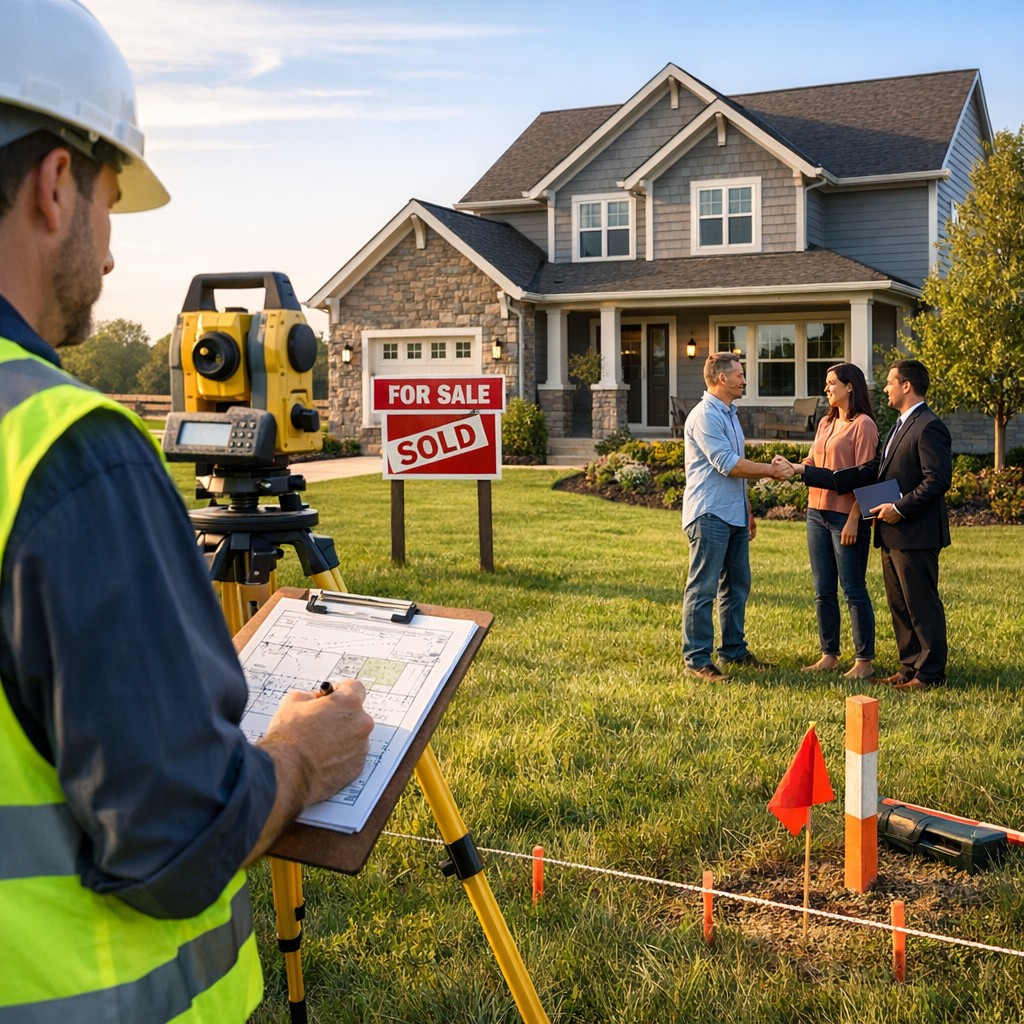
    In real estate transactions, the closing process represents the final step in transferring property ownership from the seller to the buyer. Among the many documents and procedures involved, a property survey plays a crucial role in ensuring that both parties have a clear understanding of the land’s boundaries, structures, and potential encroachments. A survey provides a detailed map of the property, confirming its legal description and identifying any discrepancies that could affect ownership rights or future development.
  </p>
  <h2>Understanding What a Property Survey Entails</h2>
  <p>
    A property survey is a professional assessment conducted by a licensed surveyor to determine the exact boundaries and physical features of a parcel of land. The surveyor measures and maps the property, noting improvements such as buildings, fences, driveways, and easements. The resulting survey report and drawing serve as an official record that can be referenced in legal documents, title insurance policies, and municipal records.
  </p>
  <h2>Why a Survey Is Essential Before Closing</h2>
  <p>
    Conducting a survey before closing helps prevent future disputes and financial losses. It ensures that the buyer is purchasing precisely what is described in the contract and that the seller has the legal right to convey the property. Without a survey, issues such as boundary overlaps, encroachments, or unrecorded easements may go unnoticed until after the transaction is complete, potentially leading to costly legal challenges.
  </p>
  <p>
    Lenders and title insurance companies often require a current survey as part of their due diligence. The survey helps confirm that the property’s boundaries align with the legal description in the title documents, reducing the risk of title defects. It also verifies that any improvements on the land comply with zoning regulations and setback requirements.
  </p>
  <h2>Identifying Potential Issues Early</h2>
  <p>
    A survey can reveal problems that might otherwise remain hidden. For example, a neighbor’s fence or driveway may encroach onto the property, or a utility easement might restrict future construction plans. Discovering these issues before closing allows the buyer and seller to negotiate solutions, such as adjusting the purchase price, obtaining a boundary agreement, or resolving encroachments through legal means.
  </p>
  <h2>Protecting the Buyer’s Investment</h2>
  <p>
    For buyers, a survey provides peace of mind and protection for their investment. It ensures that they are acquiring the correct parcel of land and that no hidden boundary issues will arise after the purchase. It also helps buyers plan for future improvements, such as building additions, fences, or landscaping, by clearly defining property limits.
  </p>
  <h2>Facilitating a Smooth Closing</h2>
  <p>
    By addressing potential boundary or title issues early, a survey contributes to a smoother closing process. It minimizes last-minute surprises and ensures that all parties—buyer, seller, lender, and title company—have accurate and consistent information. This transparency helps prevent delays and fosters confidence in the transaction.
  </p>
  <h2>Conclusion</h2>
  <p>
    A property survey is more than just a formality; it is a vital component of the real estate closing process. It safeguards the interests of all parties involved by confirming property boundaries, identifying potential issues, and ensuring compliance with legal and zoning requirements. Investing in a professional survey before closing not only protects the buyer’s rights but also promotes a seamless and secure transfer of ownership.
  </p>
</article>
Discover more from My-Rebo Your One-Stop Real Estate Marketplace
Subscribe to get the latest posts sent to your email.
Leave a Reply