
Category: Financing Resource Library
The ‘Financing Resource Library’ is a comprehensive hub dedicated to guiding you through the financial aspects of real estate transactions. Whether you’re buying, selling, or investing in property, understanding the intricacies of financing is crucial. This section offers valuable insights, expert advice, and practical tips covering a range of financial topics. From personal financing stories to detailed information on mortgage basics, our library is designed to help you make informed financial decisions in your real estate endeavors.
-

How to Use a 1031 Exchange in Real Estate Investing
1031 exchange guide: Defer capital gains by selling investment real estate and buying like-kind property. Rules: equal/greater value, reinvest proceeds and replace debt, identify in 45 days, close in 180, use a qualified intermediary; variants, pitfalls, filing.
-

Subprime Mortgages: Understanding the High-Risk, High-Reward
Subprime (nonprime/non-QM) mortgages offer home access to higher-risk borrowers but carry higher rates, fees, and potential payment shock. Weigh alternatives (FHA/VA/USDA), scrutinize terms (ARMs, penalties), keep reserves, and stress-test; only proceed with a clear exit plan.
-
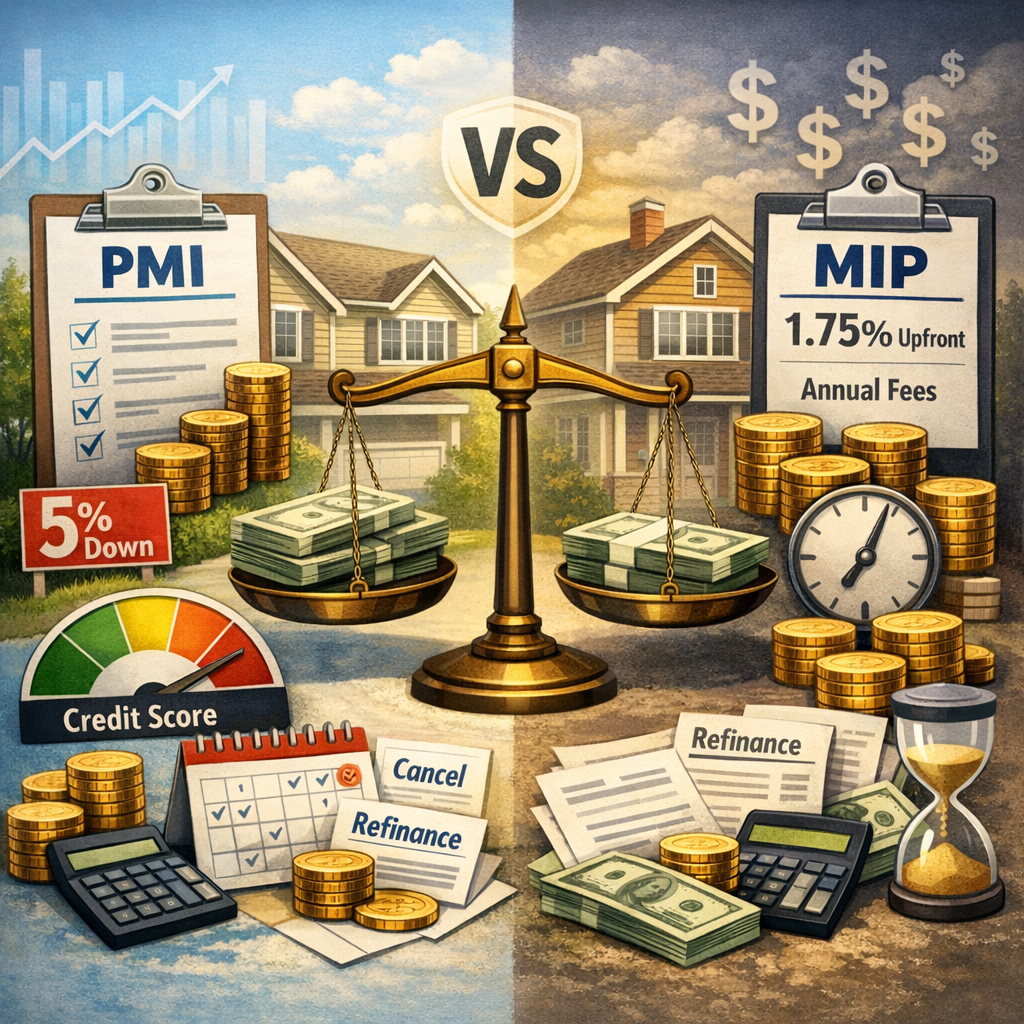
Navigating Mortgage Insurance: PMI and MIP Explained
PMI (conventional) and MIP (FHA) enable low-down-payment loans but add costs. PMI varies by credit, has multiple payment options, and can be canceled near 20% equity. MIP adds 1.75% upfront plus annual fees and often lasts longer. Compare total costs, timing, and refi plans.
-

Crowdfunding Your Way into Homeownership: A Modern Approach
Crowdfunding can help first-time buyers bridge down payment and closing costs by gathering true gifts from supporters. Align with lender gift rules and documentation, run a transparent campaign, mind tax/privacy basics, pair with assistance, and follow a checklist to close.
-

Hard Money Loans for Real Estate: Understanding the Basics
Hard money loans are short-term, asset-based financing from private lenders, closing fast and focusing on property value/ARV and exit plan—not borrower income. Best for flips, bridge loans, and builds, but costlier. Understand LTV, draws, risks, and compare lenders and alternatives.
-

Leveraging a VA Loan for Investment Property: What Veterans Need to Know
VA loans are for primary homes, but smart planning lets you house hack and later rent. Buy 1-4 units, live in one, use rental income to qualify, mind occupancy, HOA and lender rules. Manage reserves, insurance, and entitlement; use IRRRL/cash-out refis to improve cash flow.
-
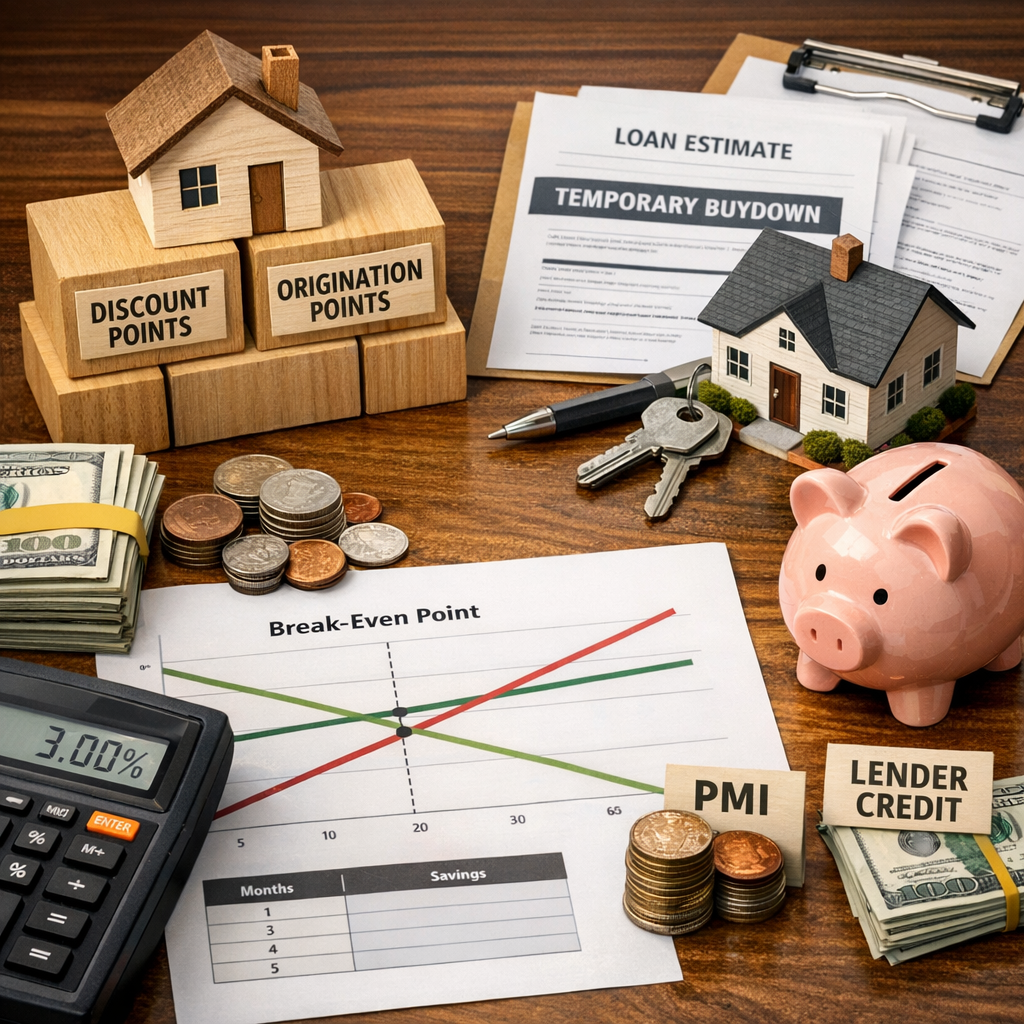
The Role of Mortgage Points in Your Home Purchase Strategy
Mortgage points swap upfront cash for a lower rate and payment. Understand discount vs origination and temporary buydowns. Compare same-day quotes, compute break-even, and weigh alternatives like PMI or lender credits. Best if you’ll keep the loan and have solid reserves.
-

Financing Multi-Family Properties: A Guide for Potential Investors
Guide to multi-family financing: lenders focus on NOI, DSCR, LTV/LTC, debt yield. Covers loan types (bank, agency, HUD, DSCR, bridge), key terms (fixed vs variable, amortization, recourse, prepay), required docs, strategies, risks, tax/LLC tips, and a sizing example.
-

Debit Consolidation Strategies for Real Estate Enthusiasts
Real estate investing can be complex with multiple financial obligations. Debit consolidation helps streamline outgoing payments, improving cash flow and reducing fees. By organizing debits and consolidating debts, investors can enhance financing options. Key steps include centralizing payments, building reserves, and choosing the right consolidation tools. This approach ensures better financial control, supports property management,…
-

Mastering Credit Management for First-Time Homebuyers
Buying your first home is thrilling, but navigating mortgage approval requires a solid credit strategy. Lenders assess your credit score, debt-to-income ratio, and cash reserves to determine loan eligibility and interest rates. Strengthening your credit can save money and expand options. Key steps include auditing credit reports, lowering utilization, and maintaining a stable credit profile…
-

Understanding the Mortgage Commitment Letter
A mortgage commitment letter is a lender’s formal approval to finance your home, pending final conditions. It confirms your loan details, shows sellers you’re a serious buyer, and helps move you toward closing. Understanding it ensures a smoother, more confident homebuying process.
-

Renovation Loans: Financing Your Home Improvements
Renovation loans let homeowners finance upgrades without depleting savings. Options include home equity loans, HELOCs, FHA 203(k), HomeStyle, and personal loans. Choosing wisely based on credit, equity, and project scope helps boost home value and achieve renovation goals affordably.
-

The Pros and Cons of a 15-Year vs. 30-Year Mortgage
A 15-year mortgage offers faster payoff and major interest savings but higher monthly payments. A 30-year mortgage provides lower payments and flexibility but costs more over time. The best choice depends on your budget, income stability, and long-term financial goals.
-
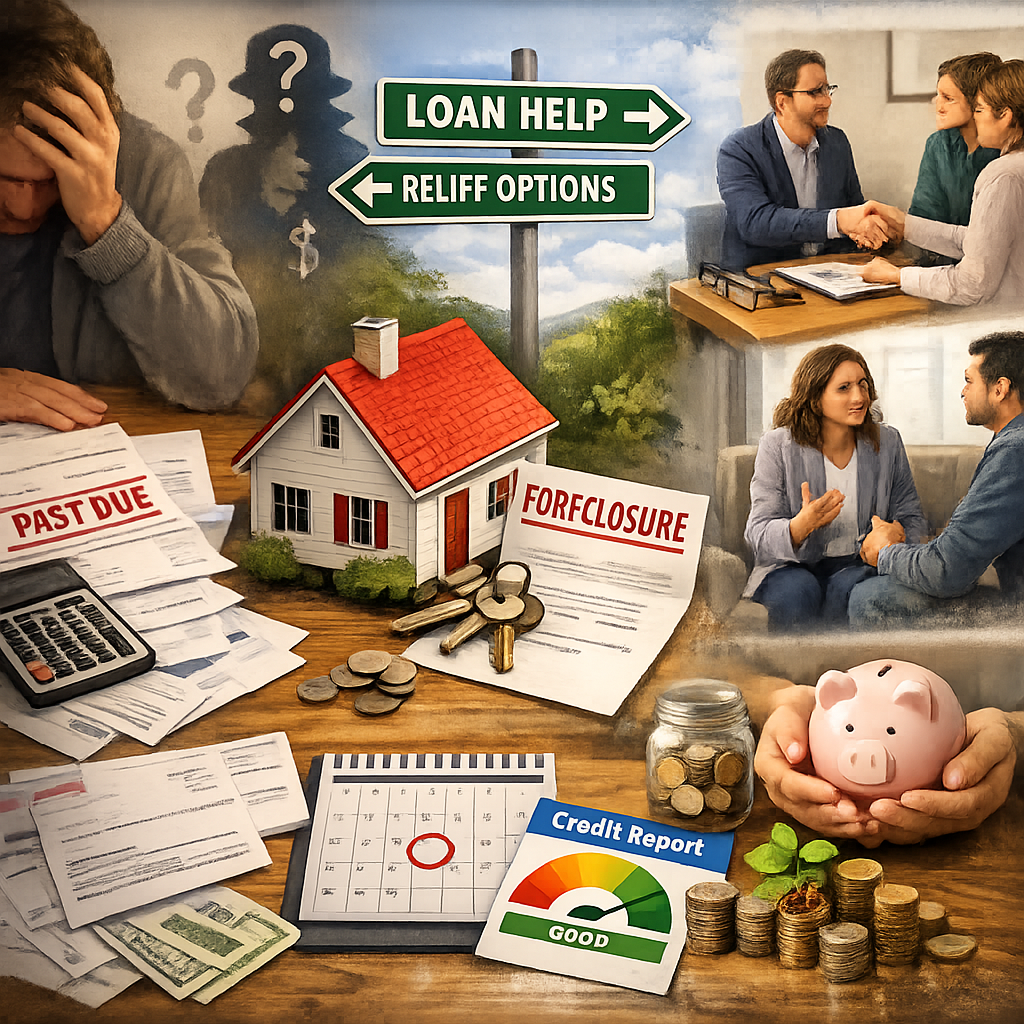
How to Handle Mortgage Payment Difficulties
Financial hardships can make mortgage payments stressful, but early action helps. Review your budget, contact your lender, and explore relief options like forbearance or modification. Avoid scams, seek counseling, and plan ahead to protect your home, credit, and financial stability.
-

Mortgage Fraud: How to Protect Yourself
Mortgage fraud is a serious risk in homebuying, involving false information or scams to steal money or property. It can be committed by borrowers or professionals. Knowing red flags, verifying details, and working with trusted experts can help protect your finances and property.