
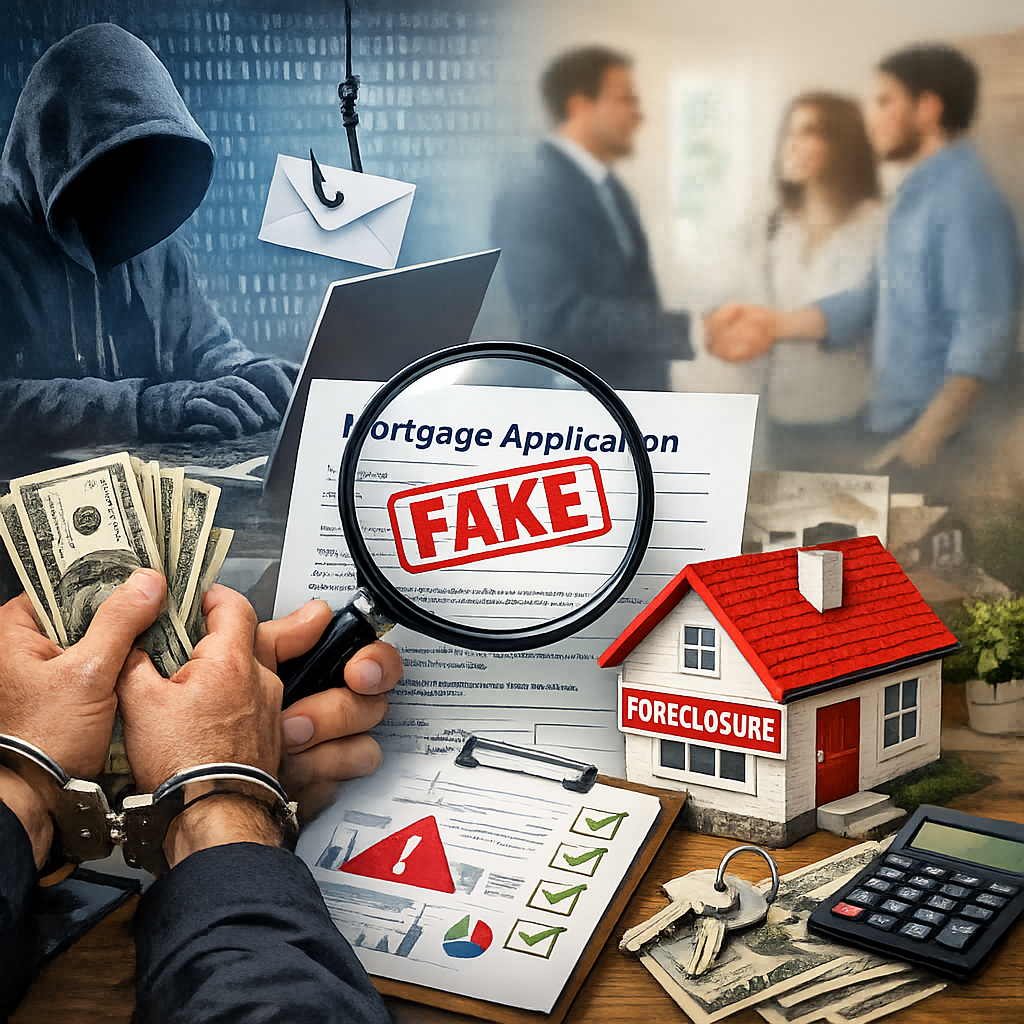
Buying a home is one of the biggest financial decisions most people ever make. It’s exciting, but it also comes with risks that can cost you thousands of dollars or even your property. One of the most serious threats is mortgage fraud. This type of financial crime can take many forms, from falsified loan applications to scams targeting unsuspecting buyers. Understanding how mortgage fraud works and how to protect yourself is essential for anyone involved in the homebuying process.
What Is Mortgage Fraud?
Mortgage fraud occurs when someone intentionally misrepresents or omits information on a mortgage application or during a real estate transaction to obtain money, property, or a loan under false pretenses. It can be committed by borrowers, lenders, real estate professionals, or organized crime groups.
There are two main categories:
- Fraud for housing: When a borrower lies on a loan application to qualify for a mortgage they wouldn’t otherwise get. This might include inflating income, hiding debts, or misrepresenting occupancy status.
- Fraud for profit: When industry insiders—such as appraisers, loan officers, or real estate agents—collaborate to steal money from lenders or homeowners. These schemes are often complex and involve multiple parties.
Both types can have devastating consequences, including financial loss, damaged credit, and even criminal charges.
Common Types of Mortgage Fraud
Mortgage fraud can appear in many different forms. Recognizing the warning signs can help you avoid becoming a victim.
1. Income and Employment Fraud
This occurs when borrowers falsify pay stubs, tax returns, or employment information to qualify for a larger loan. Some fraudsters even create fake companies to verify false employment.
2. Appraisal Fraud
In this scheme, an appraiser intentionally inflates or deflates a property’s value. Inflated appraisals allow sellers or lenders to profit, while deflated appraisals can help investors buy properties below market value.
3. Identity Theft
Criminals may steal personal information to apply for a mortgage in someone else’s name. Victims often discover the fraud only after their credit is damaged or they receive foreclosure notices for properties they never owned.
4. Foreclosure Rescue Scams
Homeowners struggling to make payments are prime targets. Scammers promise to “save” the home in exchange for upfront fees, only to disappear or trick the homeowner into signing over the deed.
5. Straw Buyer Schemes
A straw buyer is someone who allows their name and credit to be used to obtain a mortgage for another person who cannot qualify. The real buyer makes the payments—or fails to—and the straw buyer is left legally responsible.
6. Equity Skimming
Investors or scammers convince homeowners to transfer property titles under the promise of paying off the mortgage. Instead, they rent out the property, collect income, and let the home go into foreclosure.
How to Spot Red Flags
Mortgage fraud often hides behind legitimate-looking paperwork and professional titles. Still, there are warning signs that should raise suspicion:
- Pressure to sign documents quickly or without reading them thoroughly
- Requests to leave signature lines or sections of forms blank
- Promises of guaranteed loan approval regardless of credit or income
- Unusually high fees or requests for payment upfront
- Inconsistent or unverifiable information on loan documents
- Offers that sound too good to be true, such as “no money down” deals with no clear explanation
If something feels off, trust your instincts. Take time to verify every detail before signing any agreement.
Steps to Protect Yourself from Mortgage Fraud
Protecting yourself starts with awareness and careful attention to detail. Here are practical steps to reduce your risk:
1. Work with Reputable Professionals
Choose licensed real estate agents, mortgage brokers, and lenders with strong reputations. Check credentials through state licensing boards and read reviews from previous clients. Avoid anyone who discourages you from asking questions or reviewing documents.
2. Verify All Information
Before signing, confirm that all details on your loan application are accurate. Review income, employment, and property information carefully. Never sign blank or incomplete forms.
3. Safeguard Personal Information
Keep sensitive documents like tax returns, pay stubs, and identification secure. Shred old paperwork and avoid sharing personal details through unsecured email or text.
4. Review the Appraisal and Closing Documents
Ask for a copy of the appraisal report and compare it with recent sales in the area. During closing, read every document carefully and ensure all terms match what you agreed to. If you don’t understand something, ask for clarification before signing.
5. Monitor Your Credit Regularly
Check your credit reports from all three major bureaus at least once a year. Look for unfamiliar accounts or inquiries that could indicate identity theft.
6. Be Cautious with Online Offers
Many mortgage scams start online. Be skeptical of unsolicited emails or ads promising fast approvals or extremely low rates. Always verify the legitimacy of the company before providing any personal information.
7. Report Suspicious Activity
If you suspect mortgage fraud, contact your lender immediately. You can also report it to the Federal Trade Commission (FTC), the FBI, or your state’s attorney general. Acting quickly can help prevent further damage.
The Role of Technology in Preventing Mortgage Fraud
Modern technology has made it easier to detect and prevent fraudulent activity. Lenders now use advanced data analytics, identity verification tools, and digital document tracking to flag inconsistencies. Borrowers can also benefit from secure online portals that protect sensitive information and reduce the risk of tampering.
However, technology is not foolproof. Scammers continue to adapt, using phishing emails, fake websites, and deepfake documents to deceive victims. Staying informed and cautious remains your best defense.
What to Do If You Become a Victim
If you discover that you’ve been targeted by mortgage fraud, act quickly:
- Contact your lender to freeze any suspicious transactions.
- File a police report and keep copies of all documentation.
- Notify the credit bureaus to place a fraud alert on your credit file.
- Consult a real estate attorney who specializes in fraud cases.
- Report the incident to federal agencies such as the FTC or the U.S. Department of Housing and Urban Development (HUD).
The faster you respond, the better your chances of minimizing financial and legal consequences.
Why Awareness Matters
Mortgage fraud doesn’t just affect individual homeowners. It can destabilize entire neighborhoods, drive up housing costs, and strain the financial system. By staying informed and vigilant, you help protect not only your own investment but also the integrity of the housing market.
Final Thoughts
Mortgage fraud is a serious threat that can strike anyone, from first-time buyers to experienced investors. The best protection is knowledge. By understanding how these schemes work, recognizing red flags, and taking proactive steps to verify every part of your mortgage process, you can safeguard your finances and your future.
Buying a home should be a milestone worth celebrating, not a source of regret. Stay alert, ask questions, and never rush through the process. A little caution today can save you from major losses tomorrow.
Leave a Reply