
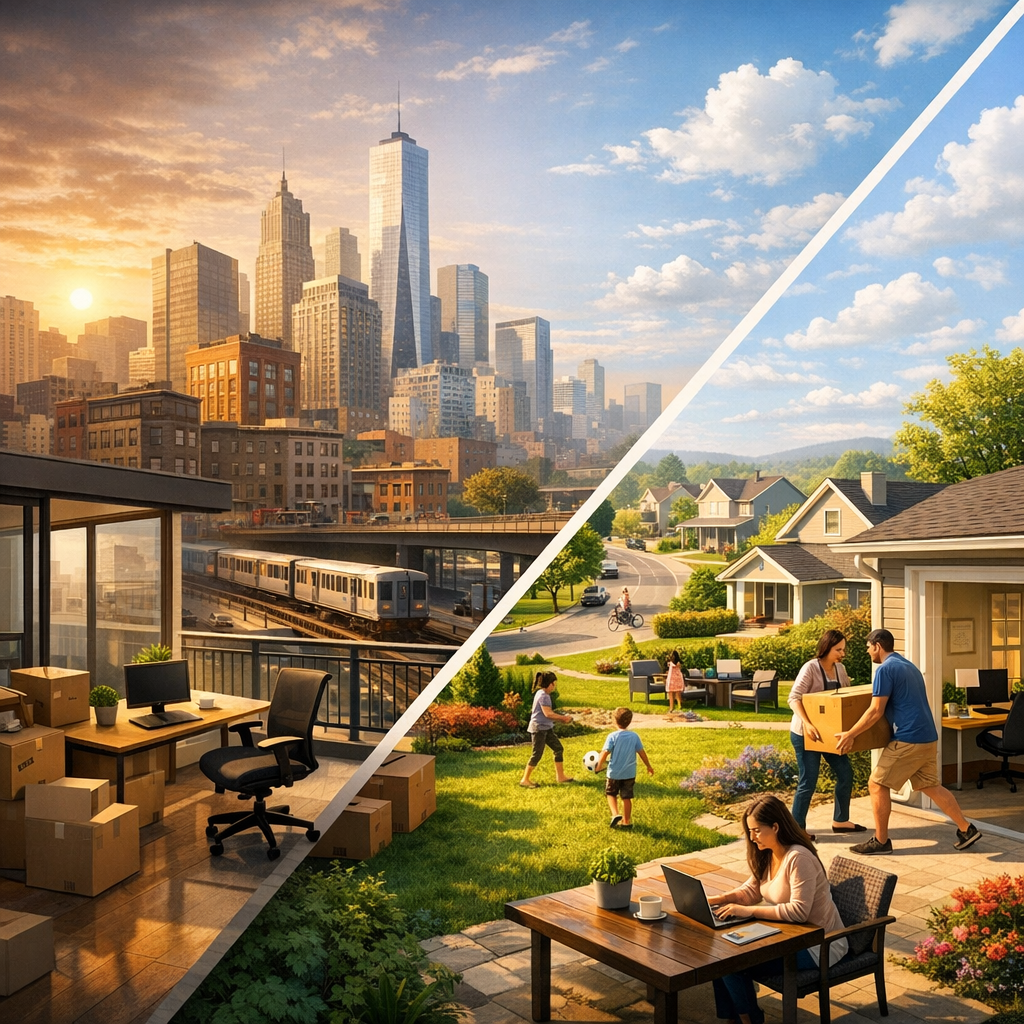
The Great Migration from Cities
Before the pandemic, metropolitan areas were magnets for young professionals drawn by job opportunities, cultural amenities, and social life. However, lockdowns and the rise of remote work disrupted this pattern. With the ability to work from anywhere, many renters left expensive city apartments for suburban or rural areas offering larger homes and outdoor space. This migration led to a temporary decline in urban rental demand and a surge in suburban housing markets.
Fluctuating Rental Prices
As demand in major cities dropped, rental prices followed suit. Landlords in urban centers offered concessions such as free months of rent or reduced deposits to attract tenants. Meanwhile, suburban and smaller city markets saw the opposite trend—rents climbed as new residents competed for limited housing stock. This rebalancing of rental prices highlighted the vulnerability of urban markets to sudden demographic shifts.
Remote Work and Flexibility
The normalization of remote and hybrid work models has permanently altered rental preferences. Tenants now prioritize home offices, reliable internet connectivity, and access to green spaces over proximity to downtown offices. This change has encouraged developers and landlords to rethink property layouts and amenities, emphasizing flexibility and comfort over density and convenience.
Urban Recovery and Adaptation
As cities reopen and businesses resume in-person operations, some renters are returning. However, the urban rental landscape is not reverting to its pre-pandemic state. Many cities are focusing on revitalizing neighborhoods, improving public spaces, and promoting mixed-use developments to attract residents back. Additionally, the rise of short-term rentals and co-living arrangements reflects a growing desire for flexibility in housing choices.
Long-Term Implications
The pandemic’s impact on rental dynamics extends beyond temporary market fluctuations. It has accelerated trends toward decentralization, digitalization, and lifestyle-driven housing decisions. Urban planners and policymakers are now grappling with how to make cities more resilient and adaptable to future disruptions. The lessons learned from this period are shaping the next generation of housing strategies, emphasizing balance between affordability, accessibility, and quality of life.
Conclusion
The urban exodus sparked by the pandemic has redefined the rental market in ways that continue to unfold. While some cities are regaining their allure, the broader shift toward flexibility and space-conscious living remains. As individuals and institutions adapt to this new reality, the future of urban living will likely blend the best of both worlds—vibrant city life complemented by the freedom and comfort once found only beyond city limits.
Leave a Reply