
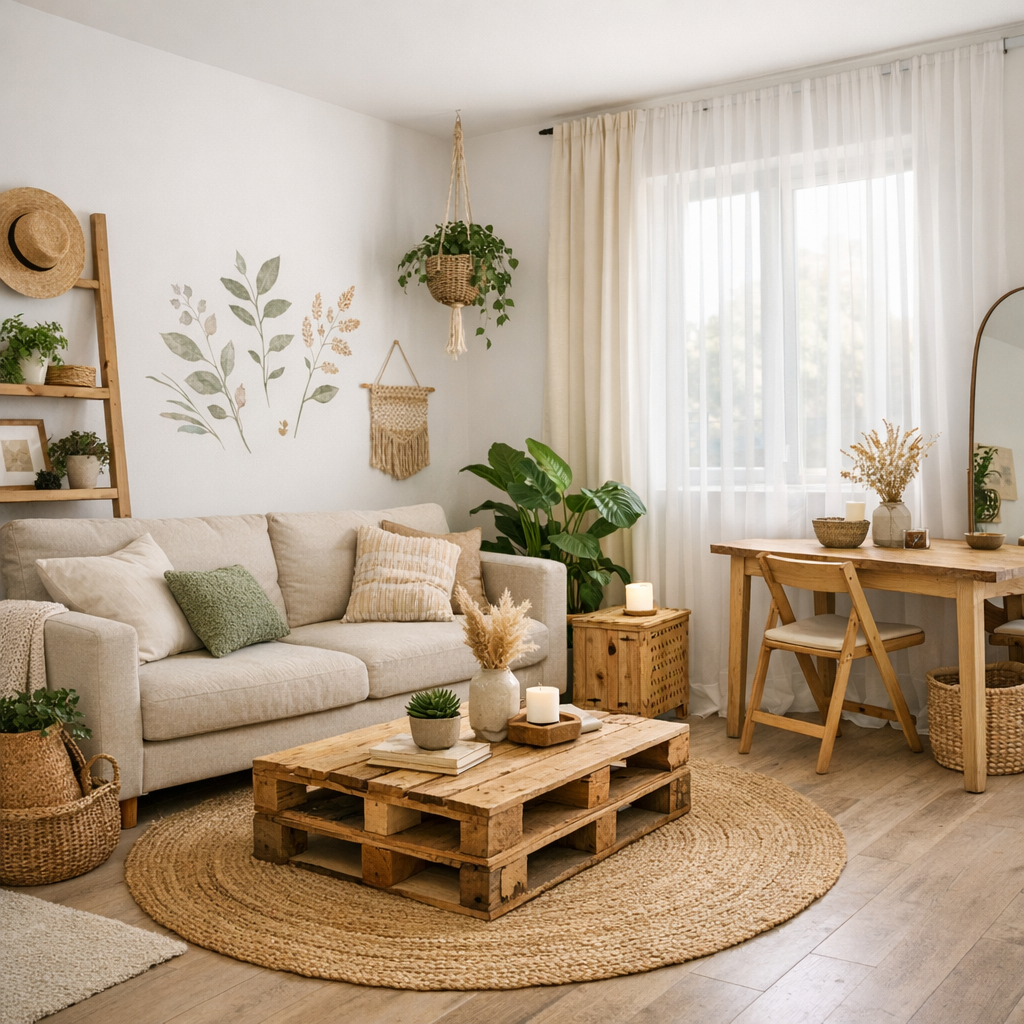
1. Choose Sustainable Materials
When selecting furniture and decor, opt for items made from natural, renewable, or recycled materials. Bamboo, reclaimed wood, cork, and rattan are excellent choices. These materials not only look beautiful but also have a lower environmental impact compared to synthetic alternatives.
2. Buy Secondhand or Upcycle
Thrift stores, online marketplaces, and community swap events are treasure troves for unique, affordable pieces. Buying secondhand reduces waste and the demand for new production. You can also upcycle old furniture with a fresh coat of low-VOC paint or new hardware to give it a modern, eco-friendly twist.
3. Use Low-VOC Paints and Finishes
If your landlord allows painting, choose low- or zero-VOC (volatile organic compound) paints. These products emit fewer harmful chemicals, improving indoor air quality and reducing your environmental footprint. If painting isn’t an option, consider removable wallpaper or wall decals made from eco-conscious materials.
4. Incorporate Plants for Natural Beauty
Houseplants are a renter’s best friend. They purify the air, add color, and bring a calming natural element into your home. Choose low-maintenance varieties like snake plants, pothos, or succulents. Use biodegradable pots or repurpose containers to keep your plant setup sustainable.
5. Maximize Natural Light
Take advantage of natural light to reduce your energy consumption. Use sheer curtains to let sunlight in while maintaining privacy. Mirrors can also help reflect light and make small spaces feel larger and brighter without additional electricity use.
6. Opt for Energy-Efficient Lighting
Replace incandescent bulbs with LED or CFL options. These bulbs use significantly less energy and last much longer. Choose warm-toned LEDs for a cozy atmosphere and consider lamps with dimmer switches to control brightness and save energy.
7. Choose Eco-Friendly Textiles
When selecting rugs, curtains, and bedding, look for organic cotton, hemp, or linen. These natural fibers are biodegradable and often produced with fewer chemicals. Avoid synthetic fabrics that shed microplastics into the environment.
8. Decorate with Minimalism in Mind
Adopting a minimalist approach helps reduce clutter and consumption. Focus on quality over quantity—choose a few meaningful pieces that serve both aesthetic and functional purposes. This approach not only supports sustainability but also creates a calm, organized living space.
9. Use Removable and Reusable Decor
As a renter, you’ll want decor that’s easy to remove when you move out. Try peel-and-stick tiles, removable hooks, and modular shelving. These options allow you to personalize your space without causing damage or waste.
10. Support Local and Ethical Brands
When purchasing new items, support local artisans and eco-conscious brands. Locally made products often have a smaller carbon footprint due to reduced transportation, and ethical companies prioritize sustainable materials and fair labor practices.
Conclusion
Creating an eco-friendly home as a renter is entirely possible with thoughtful choices and creativity. By focusing on sustainability, reusability, and mindful consumption, you can design a space that’s both stylish and kind to the planet. Every small change contributes to a greener future—one apartment at a time.
Leave a Reply