
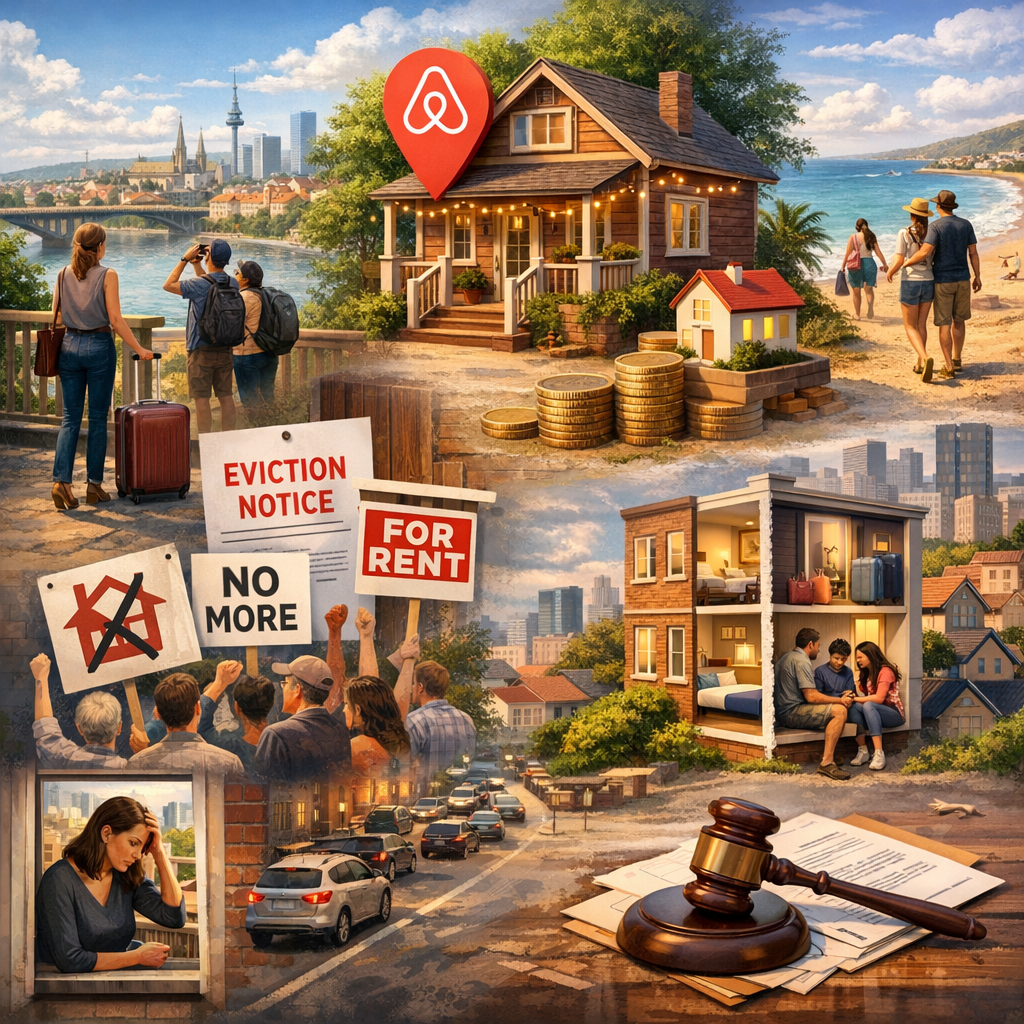
The Rise of the Sharing Economy
The sharing economy has redefined how people use and monetize their assets. Airbnb, founded in 2008, capitalized on this trend by connecting hosts with guests seeking unique, home-like accommodations. The platform’s accessibility and scalability allowed millions of users worldwide to participate, creating a new category of lodging that competes directly with traditional hotels.
Impact on Housing Markets
One of the most debated consequences of short-term rentals is their effect on housing affordability. In many urban centers, property owners have converted long-term rental units into short-term accommodations to capitalize on higher nightly rates. This shift reduces the supply of available housing for residents, contributing to rising rents and home prices. Studies in cities such as New York, Barcelona, and San Francisco have shown a correlation between the proliferation of short-term rentals and increased housing costs.
However, the impact varies by location. In smaller towns or rural areas, Airbnb can stimulate local economies by attracting visitors who spend money in local businesses. In these cases, short-term rentals can revitalize communities that might otherwise struggle with declining tourism or underutilized housing stock.
Economic Opportunities and Challenges
For many hosts, Airbnb provides a valuable source of supplemental income. Homeowners can offset mortgage payments, while renters in some jurisdictions can sublet legally to cover living expenses. The platform also supports a network of service providers, including cleaners, property managers, and maintenance workers, creating new micro-economies around short-term rentals.
On the other hand, the rapid expansion of short-term rentals has raised concerns about unfair competition with hotels, which are subject to stricter regulations and taxes. Additionally, the informal nature of hosting can lead to inconsistent quality standards and safety issues, prompting calls for stronger oversight.
Regulatory Responses
Governments around the world have responded in various ways to the challenges posed by short-term rentals. Some cities have introduced registration systems, occupancy limits, and taxation policies to ensure compliance and protect housing availability. Others have imposed outright bans in certain neighborhoods to preserve residential character and prevent speculative investment.
Balancing the benefits of tourism and economic opportunity with the need for affordable housing remains a complex policy challenge. Effective regulation often requires collaboration between local authorities, residents, and platform operators to create transparent and enforceable frameworks.
Social and Cultural Implications
Beyond economics, the Airbnb Effect has reshaped the social fabric of many communities. In popular tourist destinations, the influx of visitors can alter neighborhood identities, leading to tensions between residents and short-term guests. Issues such as noise, waste management, and community cohesion have become central to the debate over the sustainability of short-term rentals.
Conversely, Airbnb has also fostered cultural exchange and global connectivity. Travelers gain access to authentic local experiences, while hosts share their culture and hospitality with people from around the world. This exchange can promote understanding and appreciation across borders, aligning with the original ethos of the sharing economy.
The Future of Short-Term Rentals
As the market matures, the future of short-term rentals will likely depend on how well stakeholders adapt to evolving conditions. Technological innovation, data transparency, and responsible hosting practices will play key roles in shaping the industry’s sustainability. Cities that embrace balanced regulation and community engagement may find ways to harness the benefits of Airbnb while mitigating its downsides.
Ultimately, the Airbnb Effect underscores the broader transformation of how people live, travel, and interact with urban spaces. It challenges traditional notions of property use and ownership, pushing societies to rethink the relationship between housing, tourism, and community well-being.
Leave a Reply