
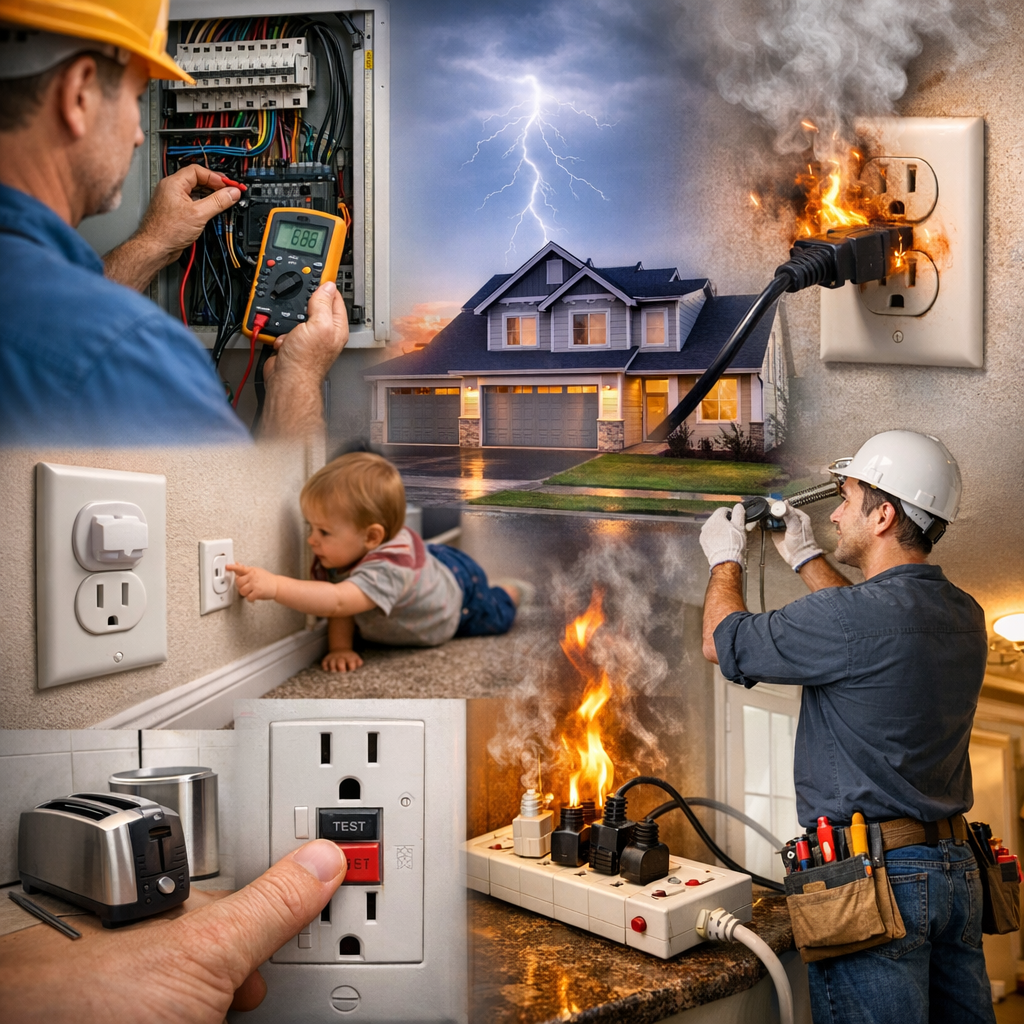
Electricity is an essential part of modern living, powering everything from lighting and heating to entertainment and communication devices. However, when electrical systems are not properly maintained or used safely, they can pose serious risks such as fires, shocks, and equipment damage. Understanding how to safeguard your home against electrical hazards is crucial for ensuring the safety of your family and property.
Understanding Common Electrical Hazards
Electrical hazards can arise from a variety of sources. Common issues include overloaded circuits, faulty wiring, damaged cords, and improper use of electrical appliances. Water exposure near electrical outlets or devices also increases the risk of shock. Recognizing these potential dangers is the first step toward prevention.
Inspecting and Maintaining Electrical Systems
Regular inspection of your home’s electrical system helps identify problems before they become dangerous. Look for signs such as flickering lights, frequently tripped circuit breakers, or outlets that feel warm to the touch. If you notice any of these warning signs, contact a licensed electrician immediately. Routine maintenance, including checking outlets and replacing damaged cords, can significantly reduce the risk of electrical fires.
Using Electrical Appliances Safely
Always follow the manufacturer’s instructions when using electrical appliances. Avoid overloading outlets or extension cords, and unplug devices when they are not in use. Keep electrical items away from water sources, and never handle plugs or switches with wet hands. For high-power appliances such as space heaters or air conditioners, ensure they are connected to dedicated circuits to prevent overloads.
Childproofing Electrical Outlets
Homes with young children should take extra precautions to prevent accidental shocks. Install tamper-resistant outlets or use safety covers to block access to unused sockets. Keep cords out of reach and teach children about the dangers of electricity from an early age.
Installing Ground Fault Circuit Interrupters (GFCIs)
GFCIs are essential safety devices that protect against electrical shock by shutting off power when an imbalance is detected. They are especially important in areas where water and electricity are in close proximity, such as bathrooms, kitchens, and outdoor spaces. If your home does not already have GFCIs installed, consider upgrading your outlets to include them.
Responding to Electrical Emergencies
In the event of an electrical fire, never use water to extinguish it. Instead, use a fire extinguisher rated for electrical fires or cut off the power supply if it is safe to do so. If someone receives an electric shock, do not touch them directly—turn off the power source first and call emergency services immediately.
Hiring Qualified Professionals
Electrical work should always be performed by qualified and licensed professionals. Attempting DIY electrical repairs without proper knowledge can lead to serious injury or property damage. A certified electrician can ensure that all installations and repairs meet safety codes and regulations.
Conclusion
Protecting your home from electrical hazards requires awareness, regular maintenance, and adherence to safety practices. By taking proactive steps—such as inspecting wiring, using appliances correctly, and installing protective devices—you can greatly reduce the risk of accidents and ensure a safe living environment for everyone in your household.
Leave a Reply