
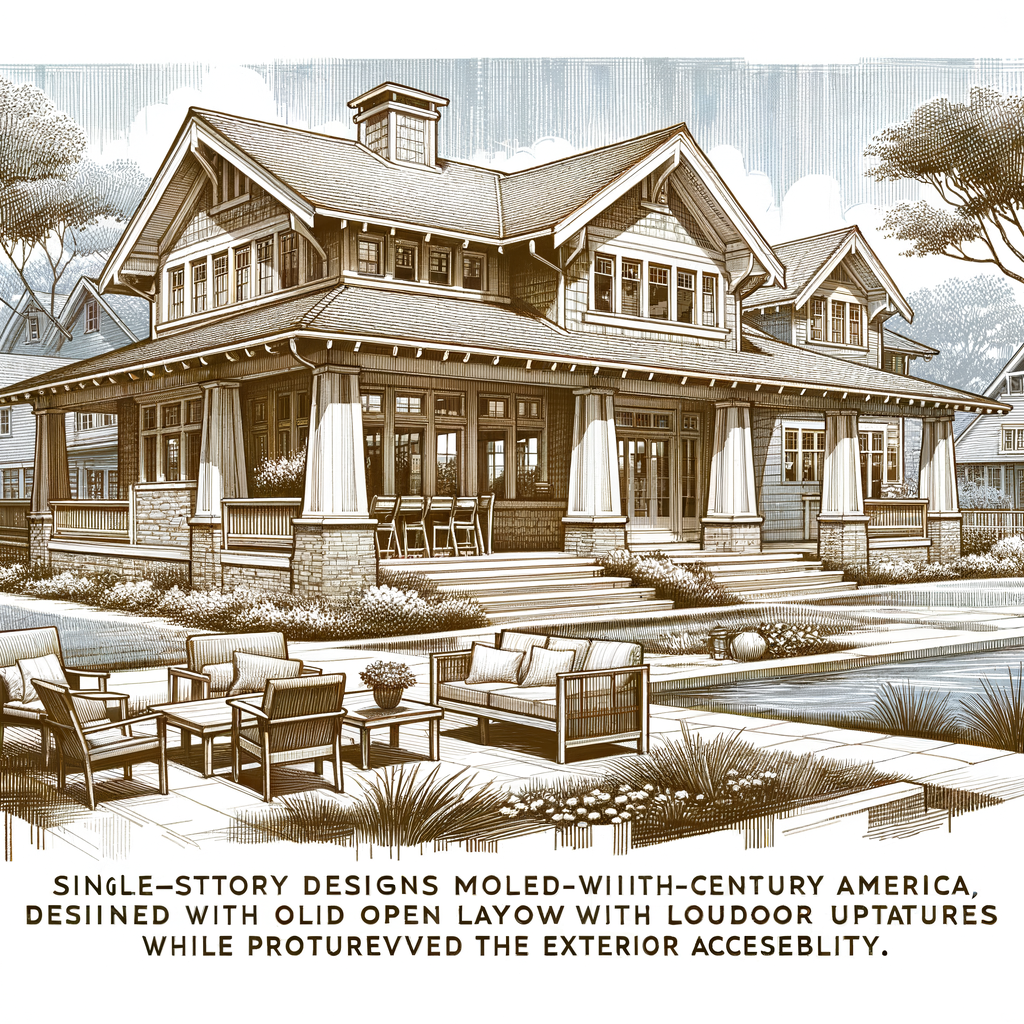
Origins and Evolution
The ranch-style home first gained popularity in the 1920s and 1930s, inspired by the wide, open ranches of the American West. Architects sought to create homes that reflected the informal, easygoing lifestyle of the region. By the 1950s and 1960s, ranch homes had become the dominant style in suburban neighborhoods across the country, thanks to their affordability and adaptability.
Over time, the style evolved into several variations, including the California ranch, split-level ranch, and raised ranch. Each version maintained the core principles of single-story living and a strong connection to the surrounding landscape.
Key Architectural Features
Ranch-style homes are easily recognizable by their long, low profiles and simple, horizontal lines. They often feature large picture windows, sliding glass doors, and attached garages. The floor plans emphasize open spaces, with living, dining, and kitchen areas flowing seamlessly together.
Other common characteristics include:
- Low-pitched roofs: Typically gabled or hipped, these roofs contribute to the home’s streamlined appearance.
- Wide eaves: Overhanging eaves provide shade and enhance the horizontal emphasis of the design.
- Natural materials: Brick, wood, and stone are often used to blend the home with its surroundings.
- Outdoor integration: Patios, decks, and large windows create a strong connection between indoor and outdoor spaces.
Advantages of One-Story Living
One of the greatest appeals of ranch-style homes is their single-level layout. This design offers numerous benefits, including accessibility for all ages and mobility levels. Without stairs, daily living becomes easier and safer, particularly for families with young children or older adults.
Additionally, the open floor plan promotes better flow and communication between rooms, making ranch homes ideal for entertaining. The ease of maintenance and efficient use of space also contribute to their enduring popularity.
Modern Interpretations
Today’s ranch-style homes often incorporate contemporary design elements while preserving the classic features that define the style. Modern versions may include energy-efficient materials, updated kitchens and bathrooms, and smart home technology. Many homeowners also choose to remodel older ranch homes, opening up spaces even further or adding modern finishes to enhance comfort and style.
Conclusion
Ranch-style homes remain a beloved choice for those who value simplicity, functionality, and a strong connection to their surroundings. Their single-story design offers convenience and comfort, while their timeless aesthetic continues to adapt to modern lifestyles. Whether newly built or lovingly restored, ranch homes exemplify one-story living at its finest.
Leave a Reply