
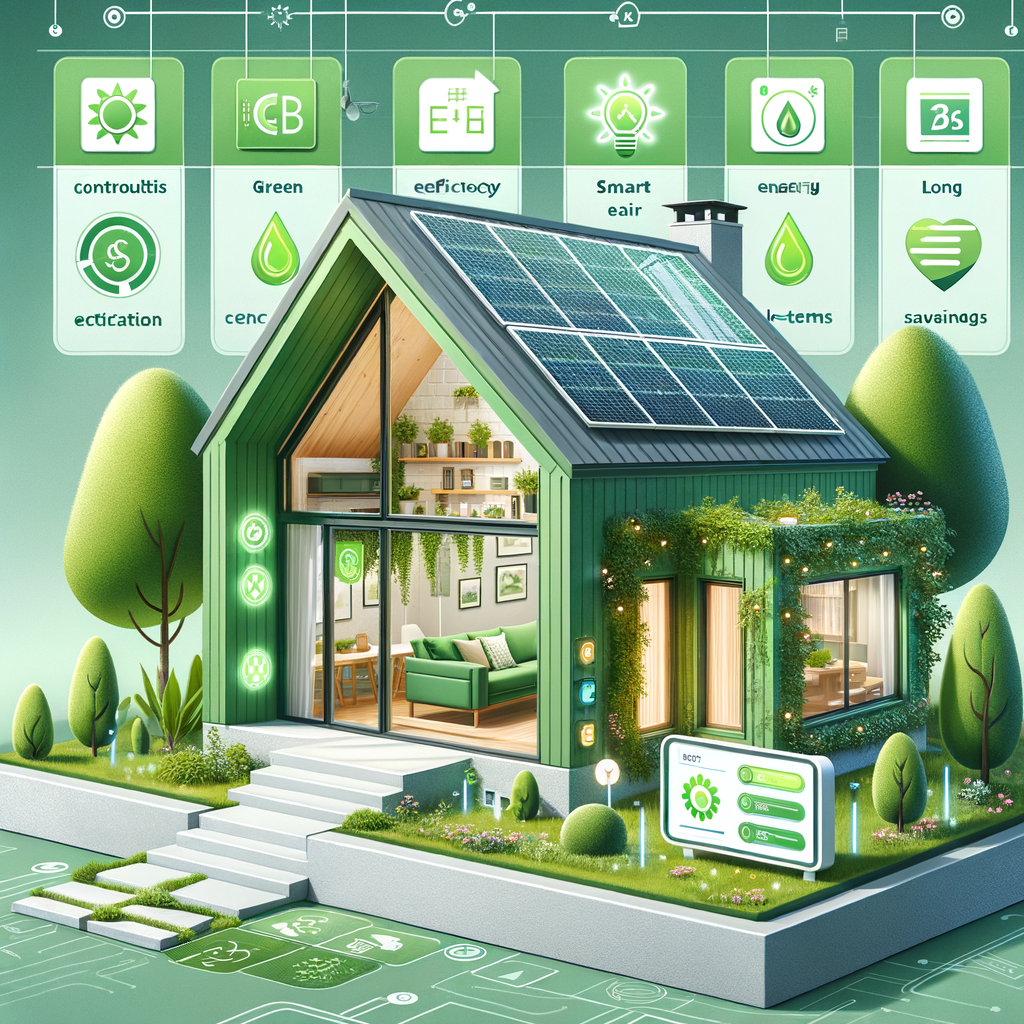
1. Improve Energy Efficiency
Energy efficiency is one of the top priorities for eco-conscious buyers. Start by upgrading to energy-efficient appliances, such as refrigerators, washing machines, and dishwashers with ENERGY STAR ratings. Replace traditional light bulbs with LED alternatives, which consume less energy and last longer. Additionally, consider installing a smart thermostat to help regulate heating and cooling more efficiently.
2. Invest in Renewable Energy Sources
Installing solar panels is a major selling point for buyers who value sustainability. Solar energy reduces dependence on fossil fuels and can significantly lower electricity bills. If solar panels aren’t an option, consider smaller renewable upgrades like solar water heaters or wind turbines, depending on your location and budget.
3. Upgrade Insulation and Windows
Proper insulation and high-quality windows can drastically reduce energy consumption by maintaining indoor temperatures. Double- or triple-pane windows, weather stripping, and insulated doors help prevent heat loss in winter and keep interiors cool in summer. These upgrades not only improve comfort but also demonstrate a commitment to energy conservation.
4. Use Sustainable Building Materials
When renovating or remodeling, choose eco-friendly materials such as bamboo flooring, recycled glass countertops, or reclaimed wood. Low-VOC (volatile organic compound) paints and finishes improve indoor air quality and appeal to buyers concerned about health and environmental impact.
5. Enhance Water Efficiency
Water conservation is another key factor for eco-conscious buyers. Install low-flow faucets, showerheads, and toilets to reduce water usage without sacrificing performance. Consider adding a rainwater harvesting system or a drip irrigation setup for your garden to further demonstrate your home’s sustainability.
6. Create an Eco-Friendly Landscape
Landscaping can play a major role in your home’s environmental footprint. Opt for native plants that require less water and maintenance. Incorporate drought-resistant landscaping or xeriscaping to minimize water consumption. Composting areas and organic gardens can also appeal to buyers who value sustainable living.
7. Improve Indoor Air Quality
Eco-conscious buyers often look for homes that promote health and well-being. Use air purifiers, houseplants, and natural ventilation to improve indoor air quality. Avoid synthetic fragrances and harsh cleaning chemicals, opting instead for natural alternatives that are safer for both people and the environment.
8. Highlight Green Certifications
If your home has any green certifications—such as LEED, ENERGY STAR, or Green Globes—make sure to highlight them in your listing. These certifications provide third-party validation of your home’s sustainability and can significantly increase buyer confidence.
9. Showcase Smart Home Technology
Smart home systems that monitor and optimize energy use can be very attractive to eco-conscious buyers. Devices like smart lighting, automated blinds, and energy-tracking apps help homeowners reduce waste and manage resources more efficiently.
10. Emphasize the Long-Term Savings
While eco-friendly upgrades may require an initial investment, they often lead to long-term savings on utility bills and maintenance costs. When marketing your home, highlight these financial benefits alongside the environmental advantages to appeal to a broader range of buyers.
Conclusion
Making your home more appealing to eco-conscious buyers involves a combination of energy efficiency, sustainable materials, and thoughtful design. By implementing these strategies, you can create a property that not only reduces environmental impact but also attracts a growing segment of buyers who value sustainability and responsible living.
Leave a Reply