
Current Market Conditions
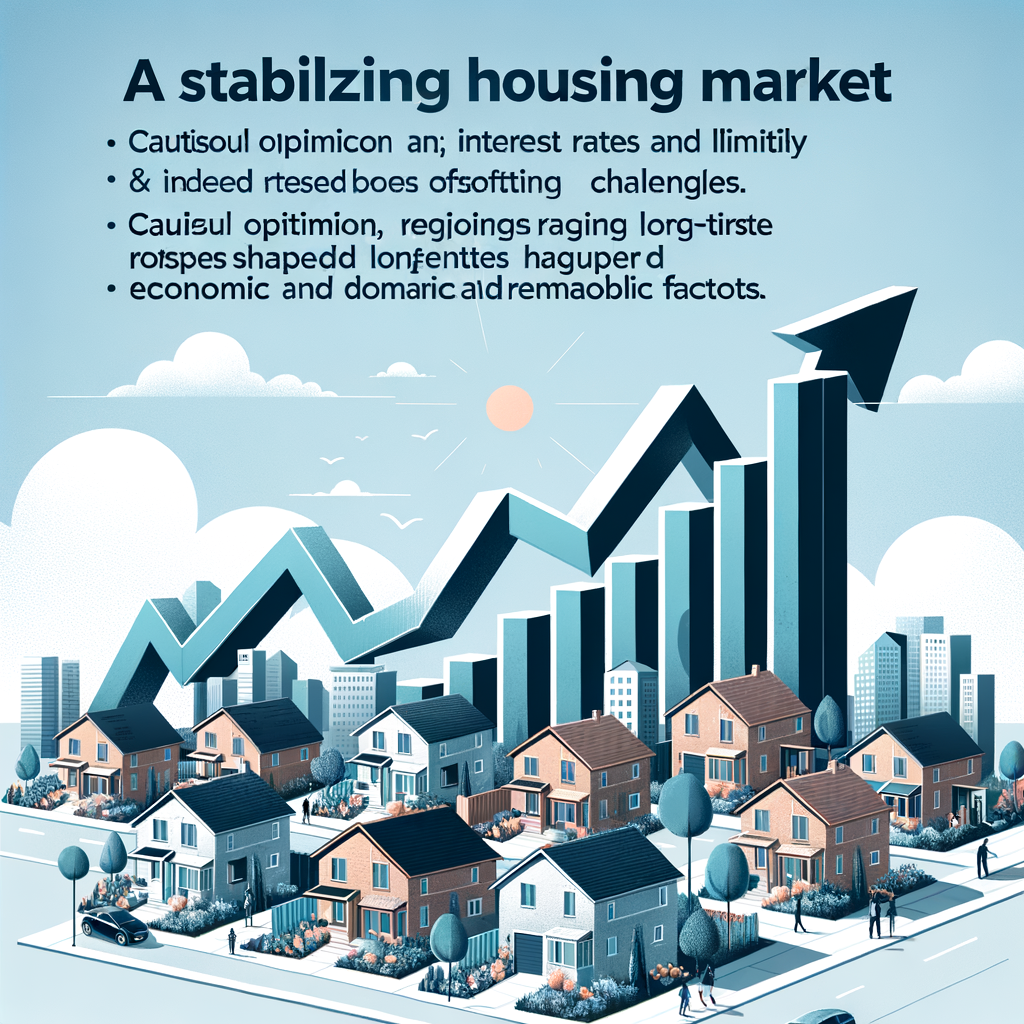
Over the past few years, the housing market has experienced significant volatility. Following a period of record-low mortgage rates and surging demand, many regions saw home prices reach unprecedented levels. However, as inflationary pressures mounted and central banks raised interest rates, affordability challenges began to weigh heavily on buyers. This shift has led to a cooling in many markets, with slower price growth and longer listing times.
Interest Rates and Affordability
Mortgage rates remain one of the most influential factors in determining housing demand. Higher borrowing costs have reduced the pool of qualified buyers, particularly among first-time homeowners. While some economists predict that rates may stabilize or even decline slightly as inflation eases, others caution that persistent economic uncertainty could keep rates elevated for longer. Affordability will continue to be a central concern, especially in metropolitan areas where prices remain high relative to income levels.
Supply and Demand Dynamics
Housing supply remains constrained in many regions due to years of underbuilding and rising construction costs. Builders face challenges such as labor shortages, zoning restrictions, and increased material expenses. At the same time, demographic trends—such as millennials entering their prime homebuying years—are sustaining demand. The imbalance between supply and demand is likely to keep prices from falling dramatically, even in a slower market.
Regional Variations
Not all housing markets are created equal. While some urban centers may experience price corrections, suburban and smaller metropolitan areas could remain resilient. Migration patterns, remote work flexibility, and local economic conditions will continue to shape regional differences. For example, states with strong job growth and lower costs of living may see continued population inflows, supporting housing demand.
Investment Outlook
For investors, the housing market presents both challenges and opportunities. Rental demand remains strong as many potential buyers stay on the sidelines, creating favorable conditions for landlords. However, investors must be cautious of overleveraging in a high-interest-rate environment. Diversification and a focus on long-term fundamentals—such as location, employment trends, and infrastructure development—will be key to navigating the next phase of the market cycle.
Long-Term Predictions
Looking ahead, the housing market is expected to gradually stabilize. While rapid price appreciation is unlikely to return in the near term, steady growth could resume as inflation moderates and wage gains improve affordability. Technological advancements in construction, sustainability initiatives, and evolving consumer preferences will also influence the future of housing. The market is shifting toward a more balanced state, where both buyers and sellers can find opportunities.
Conclusion
The housing market’s direction will depend on a complex interplay of economic, demographic, and policy factors. Although short-term fluctuations are inevitable, the long-term outlook remains cautiously optimistic. Buyers, sellers, and investors who stay informed and adaptable will be best positioned to succeed in the evolving real estate environment.
Leave a Reply