
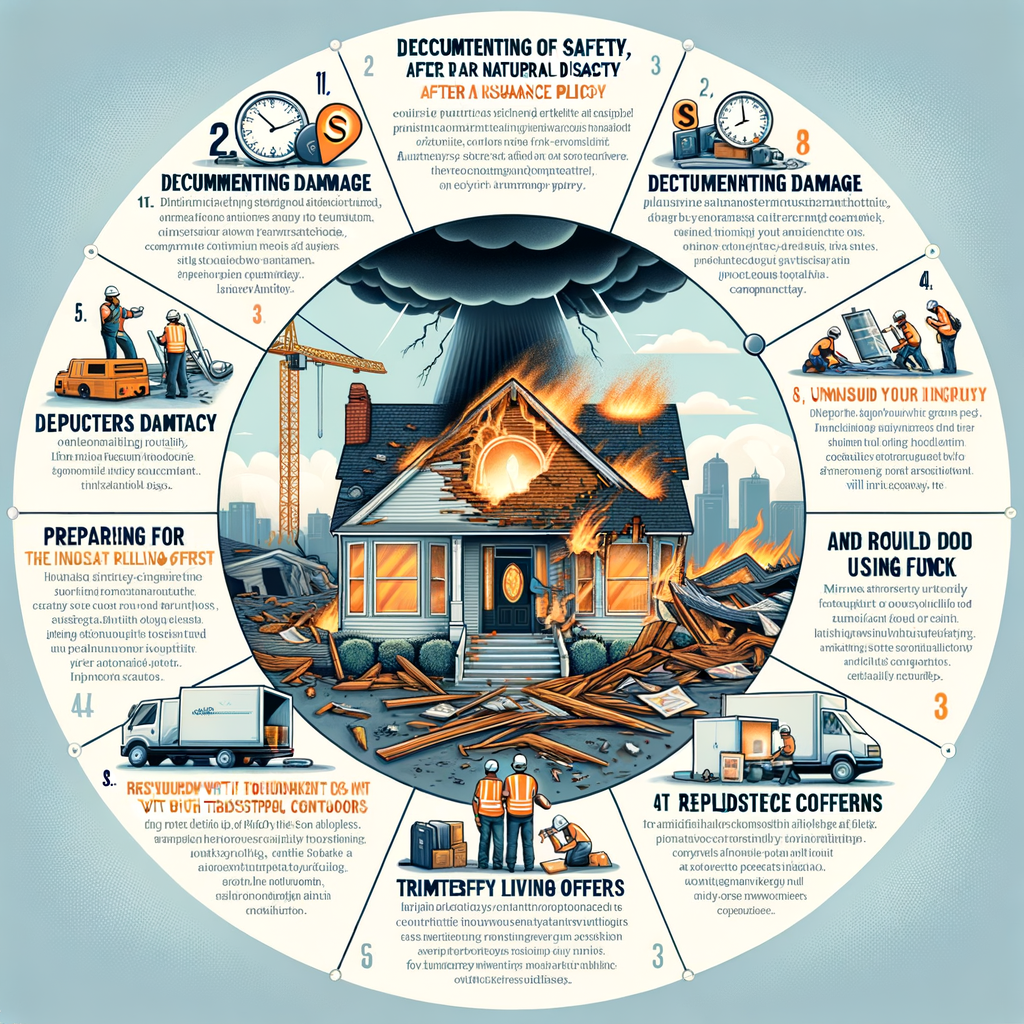
Insurance Claims After Natural Disasters: A Step-by-Step Process
Natural disasters can be devastating, leaving behind a trail of destruction that can significantly impact your life and property. Knowing how to navigate the insurance claims process after such events is crucial to recovering and rebuilding. This article provides a detailed, step-by-step guide to help you manage your insurance claims effectively after a natural disaster.
Step 1: Safety First
Before assessing any damage to your property, ensure that it is safe to do so. Check for structural damage that could make entering your property dangerous. Listen to local authorities and only return to your property when it is declared safe.
Step 2: Document the Damage
Once it is safe, document all damages. Take photographs or videos to provide a visual record for your insurance company. This evidence is crucial for the claims process. Additionally, make a list of all damaged or lost items.
Step 3: Review Your Insurance Policy
Review your insurance policy to understand what is covered and what is not. Look for specific details about coverage limits, deductibles, and any applicable disaster-related exclusions. Knowing your policy well will help you set realistic expectations for your claim.
Step 4: Contact Your Insurance Company
As soon as possible, contact your insurance company to report the damage. Many insurers have a deadline for filing claims after a natural disaster, so prompt action is necessary. Provide them with the initial documentation of the damage and your policy number.
Step 5: Mitigate Further Damage
Take reasonable steps to prevent further damage to your property, as insurers typically require this. Cover broken windows, leaking roofs, and any other compromised areas with tarps or plywood. However, do not make permanent repairs until the insurance adjuster has assessed the damage.
Step 6: Prepare for the Adjuster’s Visit
An insurance adjuster will visit your property to assess the damage. Prepare for their visit by having your list of damaged or lost items and any estimates for repairs. Be ready to show them all the damage and provide copies of documentation and photographs.
Step 7: Keep Receipts for Additional Living Expenses
If your home is uninhabitable, your insurance policy may cover living expenses incurred while your home is being repaired. Keep all receipts related to additional living expenses, such as hotel bills, meals, and other necessities.
Step 8: Review the Settlement Offer
Once the adjuster has reviewed your claim, they will make a settlement offer. Review this offer carefully. Ensure it covers all the necessary repairs and replacements. If the offer seems unfair, you can negotiate or ask for a second opinion.
Step 9: Finalize the Claim
If you agree with the settlement offer, you can finalize the claim. Complete any required paperwork and ensure that you receive funds in a timely manner. If you disagree with the offer, you may need to escalate the issue within the insurance company or seek legal advice.
Step 10: Rebuild and Recover
With the funds from the insurance claim, you can begin to repair and rebuild. It is advisable to work with reputable contractors who are experienced in post-disaster reconstruction. Keep all receipts and contracts from repairs, as they may be needed for future reference or additional claims.
Conclusion
Dealing with insurance claims after a natural disaster can be a complex and emotional process. However, by following these steps, you can manage your claim more effectively and focus on the recovery and rebuilding of your life and property. Remember, the key is to act promptly, keep detailed records, and communicate effectively with your insurance company.
Leave a Reply