
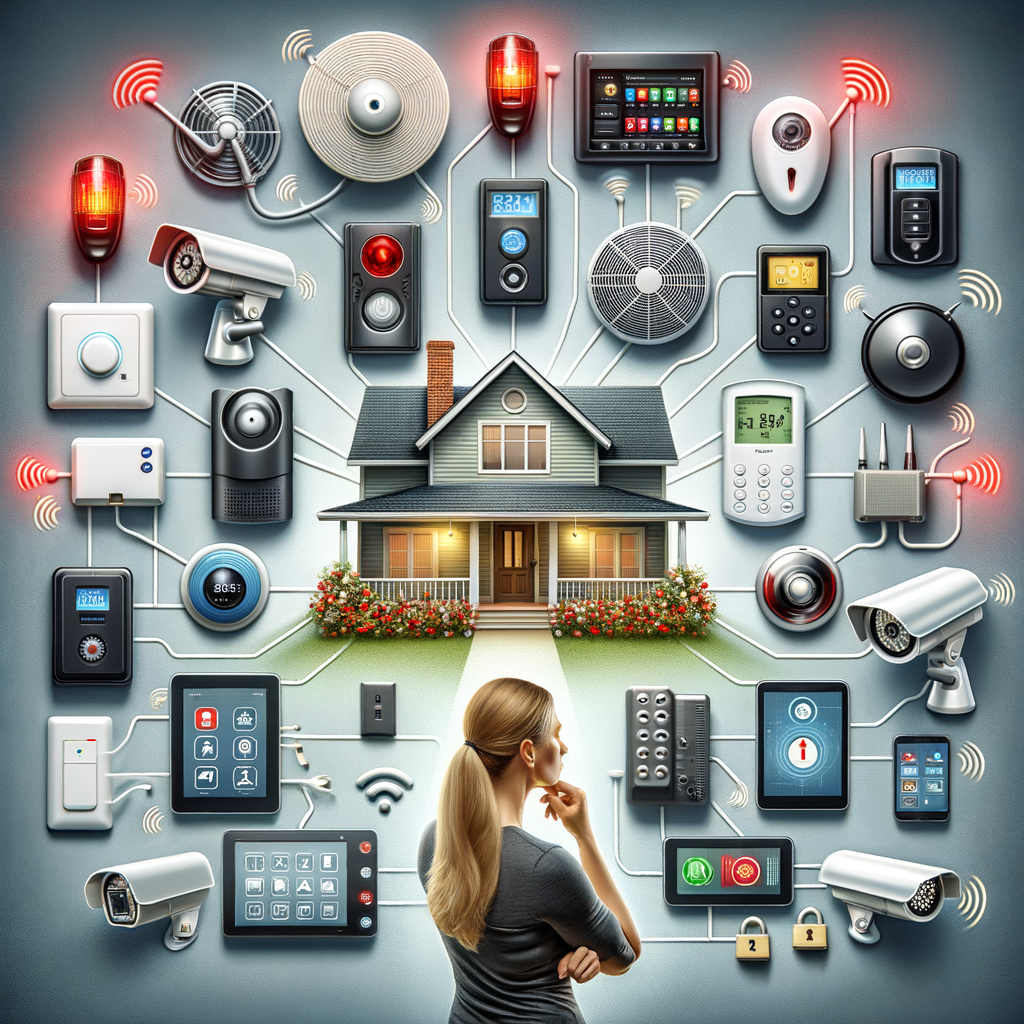
Home Security Systems: What Every Homeowner Should Know
As homeowners, ensuring the safety of your home is paramount. Home security systems play a crucial role in providing peace of mind and protecting your property from potential threats. This article explores the various aspects of home security systems, including types, features, installation, and maintenance, to help you make an informed decision.
Understanding Different Types of Home Security Systems
Home security systems range from basic alarm systems to comprehensive solutions that include several components. Here are the most common types:
- Traditional Alarm Systems: These systems provide basic protection, including sensors on doors and windows, motion detectors, and a central alarm system that notifies homeowners and, in some cases, monitoring services of any breaches.
- Monitored Security Solutions: These systems are monitored by a professional security company. In the event of a break-in, fire, or other emergencies, the monitoring service is alerted and can contact emergency services if necessary.
- Smart Home Security Systems: These systems integrate security with automation, allowing homeowners to monitor and control security devices via a smartphone app. Common features include smart locks, surveillance cameras, and motion sensors.
- DIY Security Systems: These systems are typically easier to install and manage. Homeowners can customize their setup, choosing which devices to include and handling the installation themselves.
Key Features to Consider
When choosing a home security system, consider these essential features:
- 24/7 Monitoring: Continuous monitoring can provide round-the-clock security and quick response in the event of an emergency.
- Mobile Alerts: Systems that offer mobile connectivity allow you to receive alerts and monitor your home remotely.
- Automation: Integration with home automation devices can enhance security and efficiency, allowing for features like scheduled lights or remote door lock control.
- Video Surveillance: Cameras can deter criminals and record events, which can be crucial for insurance claims and legal processes.
- Professional Installation vs. DIY: Consider whether you prefer the reliability and expertise of professional installation or the customization and satisfaction of installing a system yourself.
Installation Tips
Proper installation is key to ensuring that your home security system functions correctly. Here are some tips:
- Assess Your Home: Identify potential weak spots, entry points, and areas that require special attention.
- Follow Manufacturer Instructions: Whether installing a system yourself or hiring professionals, ensure all components are installed according to the manufacturer’s guidelines.
- Test the System: After installation, thoroughly test the system to make sure all components are working correctly and communicating with each other.
Maintenance and Upkeep
Regular maintenance is crucial to keep your home security system in optimal condition. Here are some maintenance tips:
- Regular Testing: Test all sensors and alarms monthly to ensure they are functioning properly.
- Keep Software Updated: If your system is connected to the internet, regularly update the software to protect against vulnerabilities.
- Replace Batteries: Check and replace batteries in sensors and alarms as needed to avoid failures.
- Review and Adjust: Periodically review your security setup to adjust for any changes in your living situation or advancements in technology.
Conclusion
Choosing the right home security system involves understanding the different types available, considering essential features, and ensuring proper installation and maintenance. By taking these steps, homeowners can significantly enhance the security of their homes and the safety of their families.
Leave a Reply