
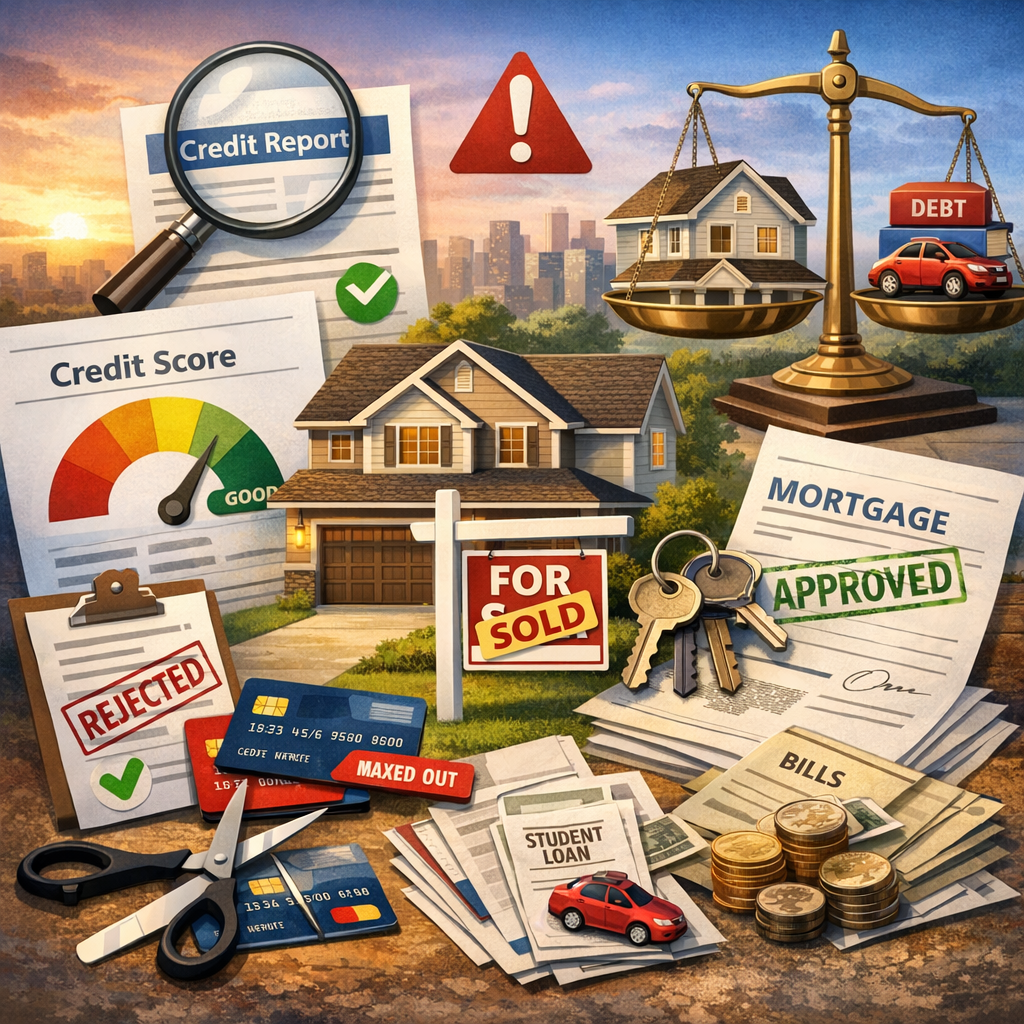
Buying a home is a significant milestone, but it can be fraught with misconceptions, especially when it comes to credit. Understanding the truth about credit can help you make informed decisions and avoid unnecessary stress during the home-buying process. Here, we debunk some common credit myths to help you prepare for purchasing your dream home.
Myth 1: You Need Perfect Credit to Buy a Home
One of the most pervasive myths is that only those with perfect credit scores can qualify for a mortgage. While a higher credit score can help you secure better interest rates, it is not the sole determinant of your eligibility. Many lenders offer programs for first-time buyers with less-than-perfect credit. FHA loans, for example, are designed to help those with lower credit scores become homeowners.
Myth 2: Checking Your Credit Hurts Your Score
Many potential homebuyers avoid checking their credit scores out of fear that it will negatively impact their credit. However, checking your own credit is considered a “soft inquiry” and does not affect your score. In fact, regularly reviewing your credit report is a good practice to ensure accuracy and to identify any potential issues early on.
Myth 3: Closing Old Accounts Will Improve Your Credit Score
It might seem logical to close old or unused credit accounts to improve your credit score, but this can actually have the opposite effect. Closing accounts can reduce your overall credit history length and increase your credit utilization ratio, both of which can negatively impact your score. It’s often better to keep old accounts open, especially if they have a positive payment history.
Myth 4: You Should Max Out Your Credit Cards Before Applying for a Mortgage
Some believe that using a large portion of their available credit will demonstrate their ability to manage debt, but this is a misconception. High credit utilization can lower your credit score and make you appear riskier to lenders. It’s generally recommended to keep your credit utilization below 30% of your total available credit.
Myth 5: All Debts Are Treated Equally
Not all debts are viewed the same by lenders. For instance, installment loans like student loans or car loans are often seen more favorably than revolving debts like credit card balances. Lenders look at the type of debt you have and how you manage it, so it’s important to maintain a healthy mix of credit types and make timely payments.
Conclusion
Understanding the realities of credit can empower you as you embark on the journey to homeownership. By debunking these common myths, you can take proactive steps to improve your credit profile and increase your chances of securing a favorable mortgage. Remember, knowledge is power, and being informed is the first step toward achieving your home-buying goals.
Leave a Reply