
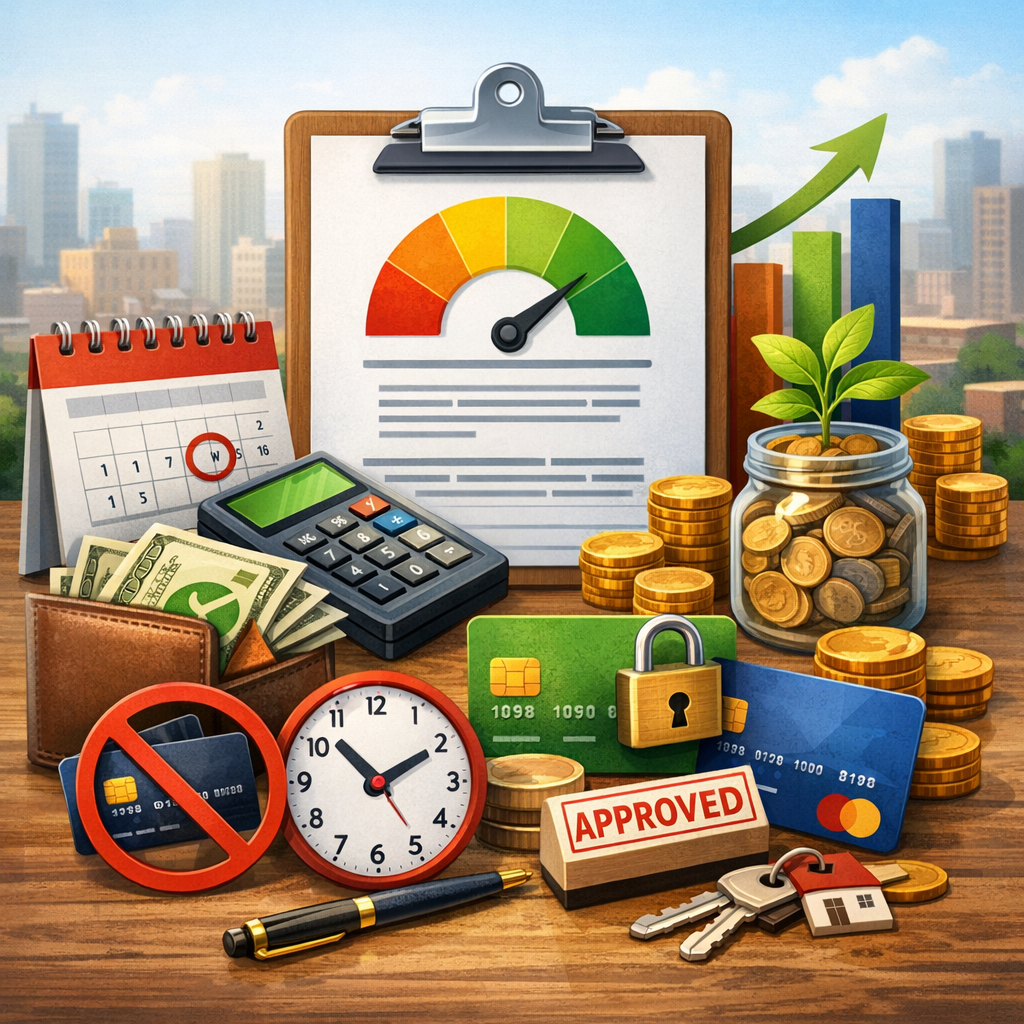
As a new investor, establishing a solid financial foundation is crucial for long-term success. One of the key components of this foundation is understanding and managing your credit effectively. Good credit can open doors to better investment opportunities, lower interest rates, and increased financial flexibility. Here are some essential credit tips to help new investors build and maintain a strong financial foundation.
Understand the Importance of Credit
Credit plays a vital role in your financial life. It affects your ability to borrow money, rent an apartment, and even secure certain jobs. For investors, good credit can mean the difference between securing a loan for a new investment property or missing out on a lucrative opportunity. Understanding how credit works and its impact on your financial goals is the first step in building a strong foundation.
Check Your Credit Report Regularly
Regularly reviewing your credit report is essential to ensure accuracy and identify any potential issues early. You are entitled to a free credit report from each of the three major credit bureaus—Equifax, Experian, and TransUnion—once a year. Visit AnnualCreditReport.com to access your reports. Look for errors, unfamiliar accounts, or signs of identity theft, and report any discrepancies immediately.
Pay Your Bills on Time
Payment history is one of the most significant factors affecting your credit score. Late payments can have a substantial negative impact, so it’s crucial to pay all your bills on time. Consider setting up automatic payments or reminders to ensure you never miss a due date. Consistent, on-time payments will help build a positive credit history over time.
Manage Your Credit Utilization
Credit utilization refers to the percentage of your available credit that you are using. It’s recommended to keep your credit utilization below 30% to maintain a healthy credit score. For example, if you have a total credit limit of $10,000, try to keep your outstanding balance below $3,000. Paying down existing debt and avoiding maxing out your credit cards can help improve your credit utilization ratio.
Avoid Opening Too Many New Accounts at Once
While it might be tempting to open several new credit accounts to increase your available credit, doing so can negatively impact your credit score. Each new application results in a hard inquiry, which can lower your score temporarily. Additionally, opening multiple accounts in a short period can signal to lenders that you are a higher risk. Instead, focus on managing your existing accounts responsibly.
Consider a Secured Credit Card
If you’re new to credit or looking to rebuild your credit history, a secured credit card can be a useful tool. Secured cards require a cash deposit as collateral, which serves as your credit limit. By using the card responsibly and making timely payments, you can demonstrate good credit behavior and gradually improve your credit score.
Monitor Your Credit Score
Keeping an eye on your credit score can help you track your progress and identify areas for improvement. Many financial institutions and credit card companies offer free credit score monitoring services. Regularly checking your score can motivate you to maintain good credit habits and achieve your financial goals.
Conclusion
Building a strong financial foundation as a new investor involves understanding and managing your credit effectively. By following these credit tips, you can improve your credit score, enhance your financial opportunities, and set yourself up for long-term success. Remember, good credit is a valuable asset that can help you achieve your investment goals and secure a prosperous financial future.
Leave a Reply