
Category: Owner Matters & Issues
-

Managing Mold: Prevention and Remediation Tips
Mold, a common issue in moist environments, can damage property and affect health, especially in those with allergies or respiratory problems. Preventing mold involves controlling humidity below 60%, ensuring proper ventilation, fixing leaks, using mold-resistant materials, and promptly drying wet areas. Remediation includes assessing mold extent, wearing protective gear, using appropriate cleaning agents, and disposing…
-

Dealing with Water Damage: Prevention and Repair
Water damage can severely impact homes, leading to structural issues and health hazards like mold. Prevention is crucial, involving regular maintenance of gutresses, roofs, and appliances, and monitoring water pressure. Early signs include odors, mold spots, and unusual water bills. If damage occurs, immediate actions include stopping water flow, removing water, drying the area, and…
-

Home Security Systems: What Every Homeowner Should Know
Home security systems are essential for protecting property and providing peace of mind. They range from basic alarms to smart systems with automation and DIY options. Key features include 24/7 monitoring, mobile alerts, and video surveillance. Proper installation and regular maintenance, such as testing and updating software, are crucial for effectiveness. Homeowners should assess their…
-
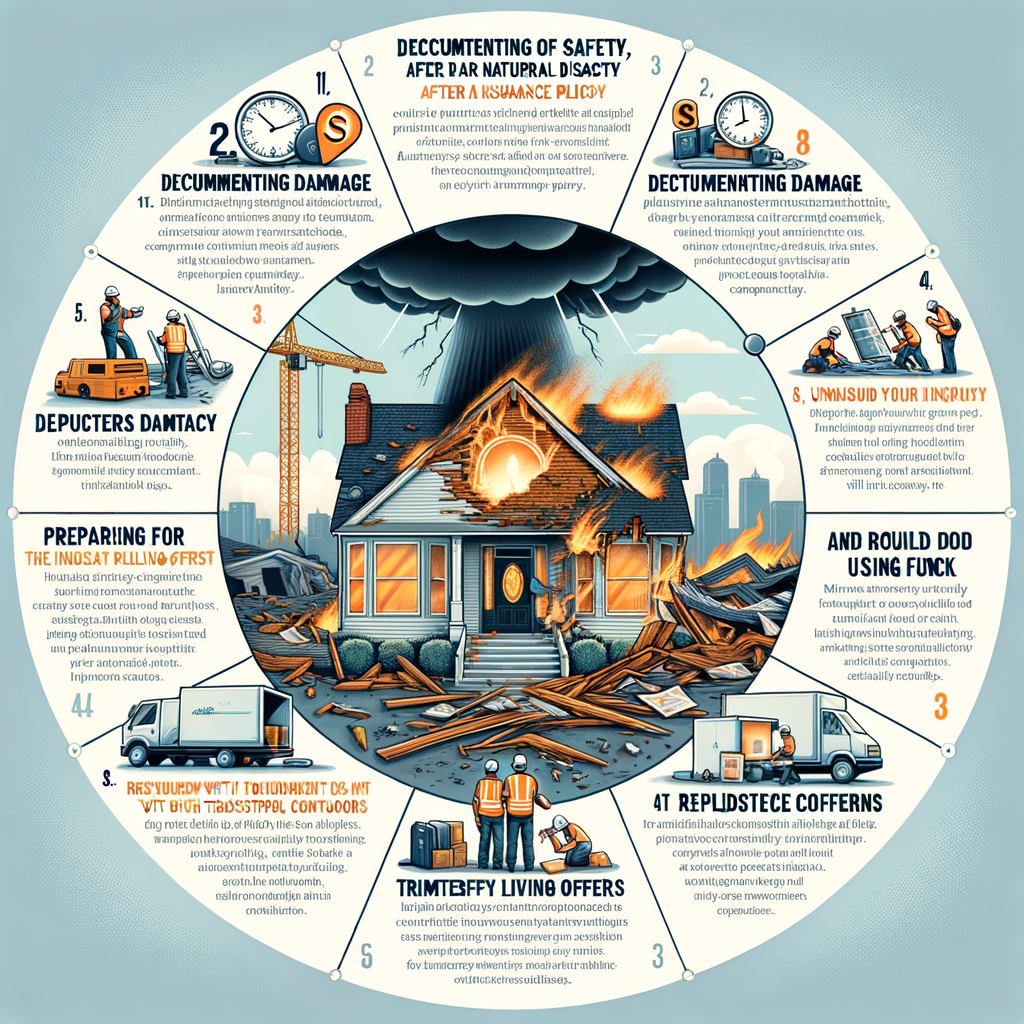
Insurance Claims After Natural Disasters: A Step-by-Step Process
This article outlines a detailed step-by-step guide for handling insurance claims after natural disasters. It emphasizes the importance of safety first, documenting damage, understanding your insurance policy, and timely communication with your insurer. Steps include assessing and preventing further damage, preparing for the adjuster’s visit, and managing living expenses. It advises reviewing settlement offers carefully,…
-

Boundary Disputes: Resolving Issues with Neighbors
Boundary disputes between neighbors arise from unclear property lines and can lead to tension. Resolving these amicably involves reviewing property documents, discussing issues with neighbors, hiring surveyors, mediation, and as a last resort, legal action. Preventative measures include clear communication, proper documentation, and regular surveys to maintain good relations and avoid disputes.
-
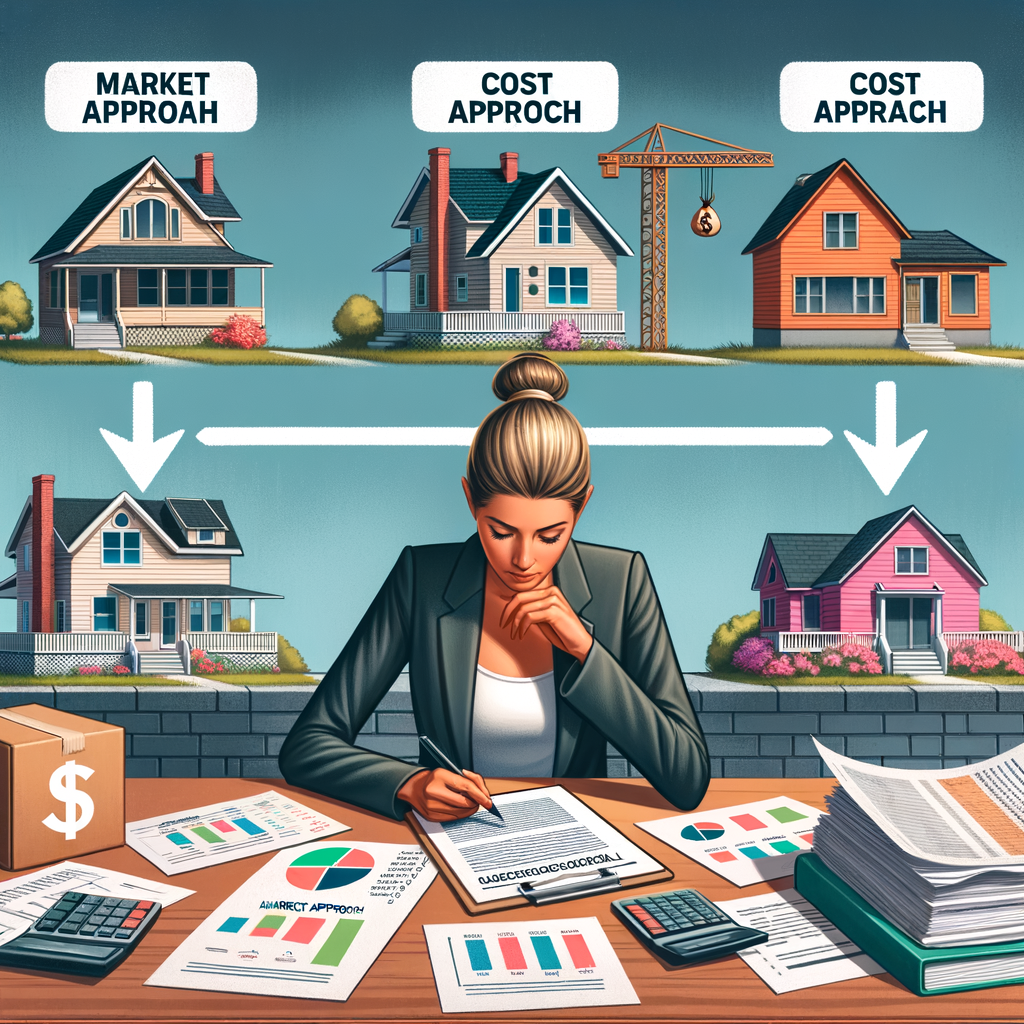
Understanding Property Tax Assessments and Appeals
Property tax assessments determine the taxable value of properties, impacting the amount owners pay and funding local services. Assessments use methods like market, cost, and income approaches. Owners can appeal incorrect assessments by reviewing their notice, gathering evidence, and following local appeal procedures. Successful appeals require thorough preparation and understanding of the assessment process.
-

Dealing with Difficult Neighbors: Strategies for Peace
Dealing with difficult neighbors involves strategies like open communication, understanding local laws, documenting issues, and seeking mediation. If unresolved, involving other neighbors, homeowners’ associations, or local authorities may help. As a last resort, legal action can be considered. Maintaining polite conduct throughout is crucial for a peaceful resolution.
-
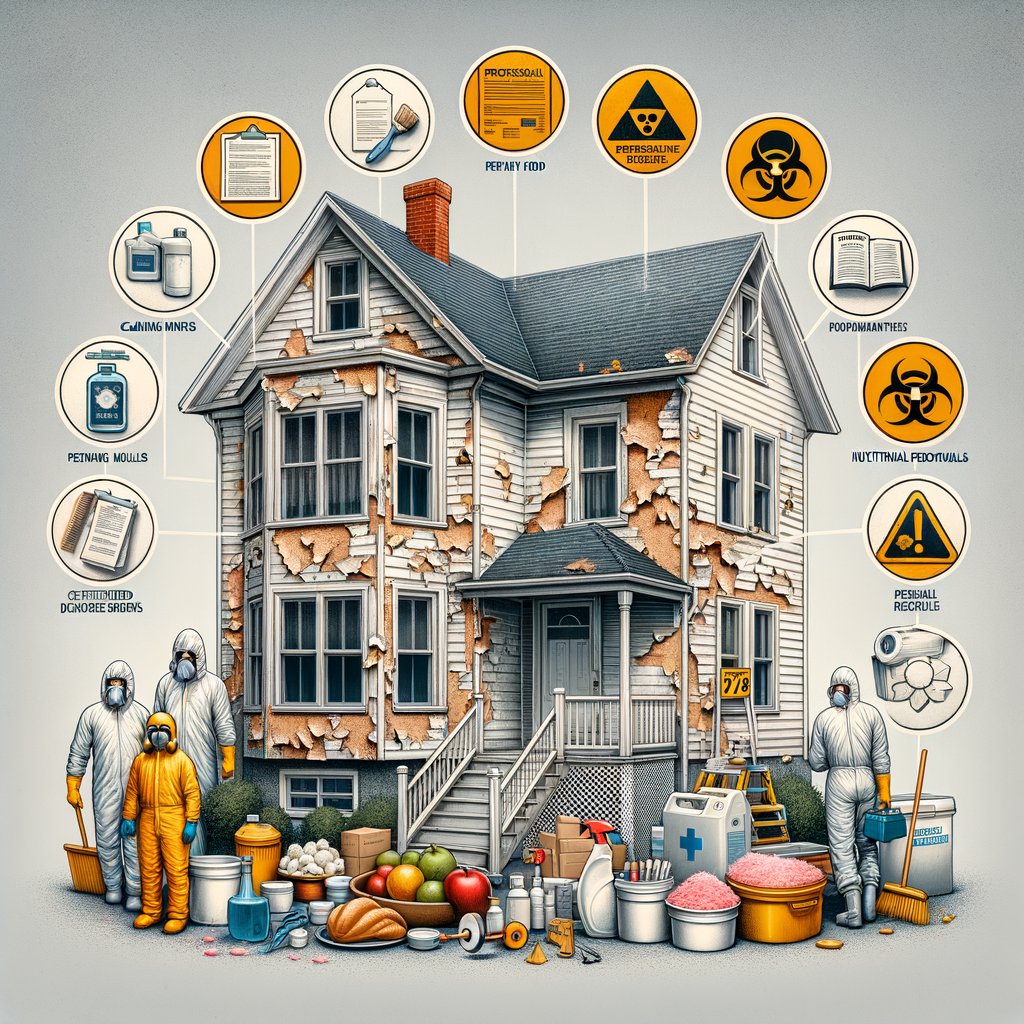
Lead Paint in Older Homes: Mitigation and Safety Measures
Lead-based paint, used in homes before 1978, poses health risks like developmental and neurological damage. Identifying and managing lead paint involves professional testing and understanding legal disclosure requirements. Safety measures include regular cleaning, proper nutrition, and prompt repair of deteriorating paint. Professional removal by certified experts is safest, especially during renovations, to minimize exposure to…
-

Eminent Domain: Protecting Your Property Rights
Eminent domain allows governments to take private property for public use, with just compensation as mandated by the U.S. Constitution. Property owners can negotiate compensation and challenge the taking by questioning the public use or necessity. Recent legal changes have adjusted the scope and protections of eminent domain, impacting property rights and compensation processes. Understanding…
-

Renovation Permits: When and Why You Need Them
Before starting a home renovation, it’s crucial to obtain renovation permits from local building departments to ensure safety, compliance with building codes, and legal standards. Permits are typically required for structural changes, significant electrical or plumbing work, additions, major renovations, and roofing. They ensure project safety, compliance, insurance validity, and can enhance resale value. To…
You must be logged in to post a comment.