
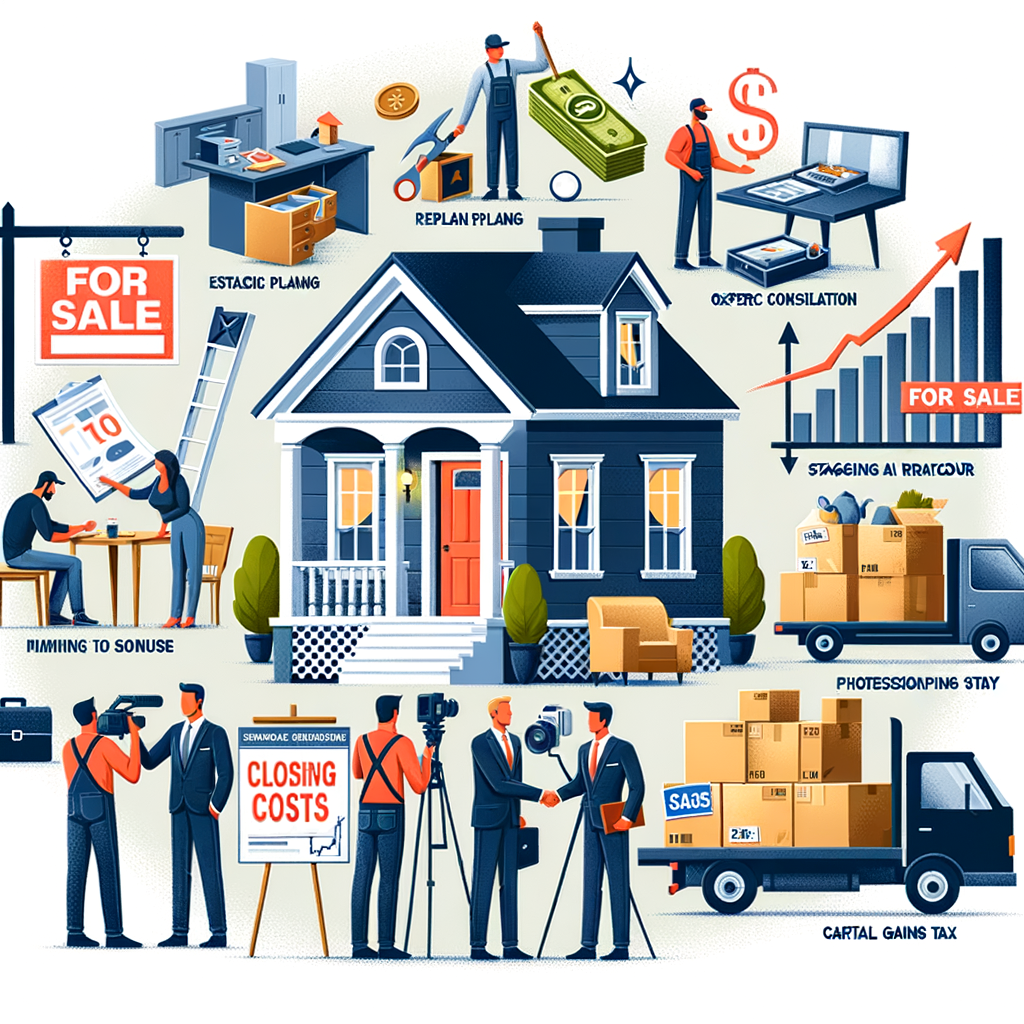
Selling a home can be a complex process, and understanding the costs involved is crucial for homeowners looking to maximize their profits. While the sale price of your home is important, it’s equally vital to be aware of the various expenses that can arise during the selling process. This article will provide a comprehensive overview of the costs you may encounter when selling your home.
1. Real Estate Agent Commissions
One of the most significant costs associated with selling a home is the real estate agent’s commission. Typically, this fee ranges from 5% to 6% of the home’s sale price and is split between the seller’s and buyer’s agents. While it may seem like a considerable expense, a skilled agent can help you navigate the market, negotiate offers, and ultimately secure a better sale price.
2. Home Repairs and Improvements
Before listing your home, you may need to invest in repairs or improvements to make it more appealing to potential buyers. This could include anything from fixing leaky faucets and repainting walls to more significant renovations like updating kitchens or bathrooms. While these costs can add up, they often lead to a higher sale price and a quicker sale.
3. Staging and Photography
Staging your home and hiring a professional photographer can significantly impact how quickly and for how much your home sells. Staging involves arranging furniture and decor to showcase your home’s best features, while high-quality photos are essential for online listings. These services can cost anywhere from a few hundred to a few thousand dollars, depending on the size and condition of your home.
4. Closing Costs
Closing costs are fees associated with finalizing the sale of your home. These can include title insurance, escrow fees, and attorney fees. While buyers typically cover most closing costs, sellers may be responsible for certain expenses, such as prorated property taxes or HOA fees. It’s essential to review your closing statement carefully to understand your financial obligations.
5. Moving Expenses
Once your home is sold, you’ll need to factor in the cost of moving to your new residence. Moving expenses can vary widely depending on the distance, the amount of belongings, and whether you hire professional movers. Be sure to budget for packing supplies, transportation, and any temporary storage needs.
6. Potential Capital Gains Tax
If you’ve lived in your home for a significant period and its value has increased, you may be subject to capital gains tax on the profit from the sale. However, many homeowners qualify for an exclusion of up to $250,000 ($500,000 for married couples) if the home was their primary residence for at least two of the last five years. Consult a tax professional to understand your specific situation.
Tip:
Consider consulting with a financial advisor or real estate expert to get a clearer picture of the costs involved in selling your home and to develop a strategy that aligns with your financial goals.
Conclusion
Selling a home involves various costs that can impact your overall profit. By understanding these expenses and planning accordingly, you can make informed decisions and ensure a smoother selling process. Whether it’s agent commissions, home improvements, or closing costs, being prepared will help you navigate the complexities of the real estate market with confidence.
Leave a Reply