
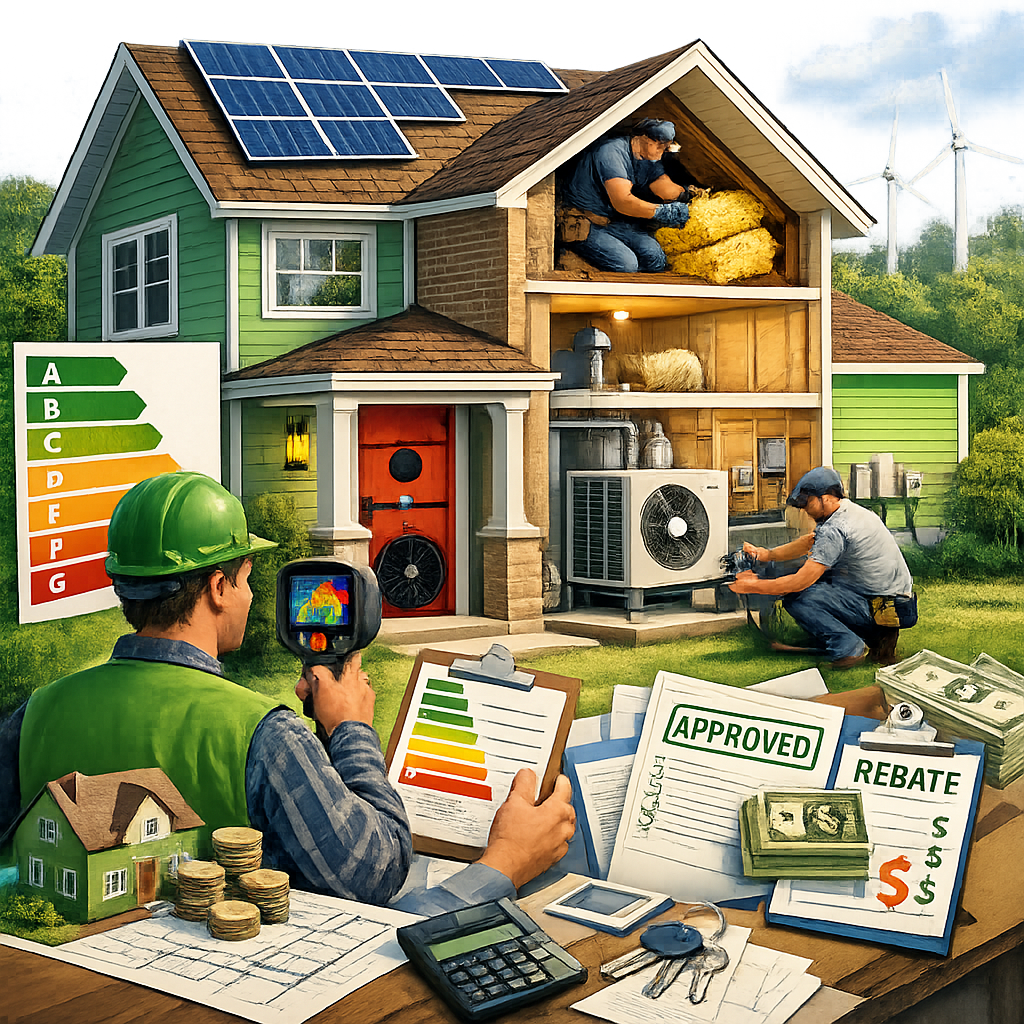
Home buyers and owners are looking for smarter ways to lower monthly costs while cutting energy waste. Green mortgages offer a practical path to do both by pairing a home loan with incentives for energy-efficient properties and upgrades. If you want a house that feels great to live in, costs less to run, and may carry a lower interest rate, understanding how green mortgages work can help you decide if this financing fits your plans.
What a Green Mortgage Is and How It Differs From a Standard Loan
A green mortgage is a home loan that rewards energy performance. Lenders may offer a rate discount, a closing cost credit, higher borrowing power, or streamlined approvals for homes that meet certain energy standards, or for borrowers who commit to qualifying improvements soon after closing. The core idea is simple: efficient homes tend to have lower utility bills, which improves a borrower’s ability to repay and can support better lending terms.
Green mortgages appear under several names. Common variants include energy-efficient mortgages, energy improvement mortgages, and green home loans. While program details vary by lender and country, they typically fall into two groups: loans for already efficient homes and loans that finance upgrades.
Two Main Paths: Buy Efficient or Finance Improvements
Purchase a High-Performing Home
Some lenders offer incentives when the property meets predefined standards, such as a high Energy Performance Certificate (EPC) rating in the UK, a low Home Energy Rating System (HERS) index in the US, or certifications like ENERGY STAR, LEED for Homes, or Passive House. You provide documentation at underwriting, and the lender applies the incentive at rate lock or closing.
Bundle Upgrades Into the Mortgage
Other programs allow you to roll the cost of energy upgrades into a purchase or refinance. Examples include insulation, air sealing, heat pump HVAC, high-performance windows, or solar PV. Lenders may allow a higher loan-to-value ratio to cover improvements, and some will qualify your debt-to-income ratio using estimated utility savings.
Incentives Lenders Use to Promote Energy Efficiency
Rate Discounts and Fee Credits
Many green mortgages provide a modest interest rate reduction or a one-time credit toward closing costs when the property meets energy criteria. While the discount may look small, it can still translate into meaningful lifetime savings.
Expanded Borrowing Power
Because energy-efficient homes cost less to operate, lenders sometimes stretch qualifying guidelines. You may see allowances for slightly higher loan-to-value limits, higher debt-to-income ratios, or larger renovation budgets when funds target energy upgrades.
Faster or Simpler Underwriting
Some programs streamline the process by accepting standard energy assessments, predefined equipment lists, and contractor bids, which cuts time and reduces back-and-forth at underwriting.
How Homes Qualify: Energy Assessments and Documentation
Common Assessment Methods
- HERS Index (US): A certified rater evaluates insulation, air leakage, HVAC, and more. Lower scores indicate better performance.
- EPC Rating (UK and parts of Europe): A letter grade based on energy use and carbon impact.
- Local energy audits: Utility or third-party audits that estimate annual energy use and savings from planned upgrades.
- Green certifications: ENERGY STAR, LEED for Homes, Passive House, and similar programs often qualify.
Paperwork You May Need
- Recent energy assessment or certification
- Contractor proposals and itemized costs for planned upgrades
- Manufacturer specs for equipment like heat pumps or windows
- Post-upgrade verification, if the program requires it
Upgrades That Typically Qualify for Green Mortgage Financing
Building Envelope Improvements
The cheapest energy is the energy you do not use. Envelope upgrades reduce heating and cooling loads year-round:
- Attic and wall insulation
- Air sealing of penetrations, rim joists, and ductwork
- High-performance windows and exterior doors
- Reflective or cool roofing in warm climates
High-Efficiency Systems
Right-sized, efficient equipment cuts energy use and often improves comfort:
- Heat pump HVAC or heat pump water heaters
- Condensing boilers or furnaces where appropriate
- Energy Recovery Ventilators (ERVs) for fresh air with minimal heat loss
- Smart thermostats and advanced controls
On-Site Renewables and Storage
Solar photovoltaic systems, solar thermal water heating, and battery storage can qualify when paired with energy audits and proper design. Lenders may require evidence of production estimates and warranties.
What the Savings Really Look Like
Green mortgages aim to link lower running costs with better loan terms. Consider a simple example. Suppose a typical home costs 250 dollars per month in combined electricity and gas. Targeted envelope improvements and a heat pump could reduce bills by 25 to 40 percent, which is 63 to 100 dollars in monthly savings. Over 10 years, that is 7,500 to 12,000 dollars before any utility price inflation. If the lender also offers a small rate discount, the financing benefit compounds.
Actual results depend on climate, utility prices, house size, and how you operate the home. The strongest returns usually come from air sealing, insulation, and right-sized heat pump HVAC, followed by efficient water heating and solar where conditions support it. A quality energy audit helps you prioritize upgrades with the best payback for your property.
Eligibility Basics: Who Can Qualify
Borrower Requirements
You still need to meet standard lending criteria, including credit, income verification, and reserves when required. Green features do not replace ability-to-repay standards, but they can make approval easier at the margins due to projected utility savings.
Property Requirements
Programs usually require a valid energy assessment or recognized certification. For upgrade-focused loans, you will need contractor bids and timelines. Some lenders require post-completion checks within a set window, often 90 to 180 days after closing.
New Construction vs. Existing Homes
New builds can qualify based on building plans and third-party rating commitments. Existing homes typically qualify either by current rating or by documented improvements financed through the loan.
How to Shop and Compare Green Mortgage Options
Look Beyond the Headline Rate
Compare the full Annual Percentage Rate, lender fees, discount points, and any rate locks. A slightly higher rate with a larger closing cost credit may be better for short holding periods, while a lower rate wins over a long horizon.
Ask the Right Questions
- Which energy standards qualify, and what documents do you accept?
- Do you offer a rate discount, fee credit, or expanded loan limits for upgrades?
- Will you count projected utility savings in qualifying ratios?
- What happens if an upgrade cannot be completed on time?
- Is an escrow holdback required for renovation funds, and how are draws released?
Stack Other Incentives
Coordinate your green mortgage with utility rebates, tax credits, and local grants. Stacking incentives reduces out-of-pocket costs and can speed payback. Confirm whether rebates flow to you or to the lender if they manage the renovation escrow.
Common Pitfalls and How to Avoid Them
Overestimating Energy Savings
Use conservative estimates from reputable audits or software models. Lifestyle and weather can swing results, so build a buffer into your financial plan.
Choosing the Wrong Upgrades First
Start with envelope and air sealing, then right-size mechanicals. Oversized systems cost more and run less efficiently.
Appraisal and Valuation Gaps
Not all markets fully price energy performance into appraisals. Provide the appraiser with documentation of certifications, HERS or EPC scores, and a list of features to support valuation.
Project Management Delays
When upgrades are financed at closing, confirm contractor availability, permitting timelines, and lender draw procedures. A clear schedule helps you meet post-closing deadlines.
A Simple Step-by-Step Roadmap to Apply
- Check your goals: buy an efficient home now, or upgrade after closing.
- Get a preliminary energy assessment or gather existing ratings and certifications.
- Request quotes from qualified contractors for prioritized upgrades.
- Shop lenders and compare green mortgage programs, including rate, fees, and renovation terms.
- Submit your application with energy documents and contractor bids.
- Coordinate appraisal and underwriting. Be ready to provide equipment specs or plan sets.
- Close the loan. If upgrades are financed, understand draw schedules and completion deadlines.
- Complete the upgrades, schedule verification if required, and file for rebates or credits.
Where You Might Find Green Mortgage Programs
Availability varies by region. In the US, examples include ENERGY STAR and HERS-based incentives from participating lenders, Fannie Mae HomeStyle Energy, and FHA or VA energy-efficient mortgages. In the UK, several high-street banks offer rate discounts for strong EPC ratings or new-build certifications. In the EU, lenders are expanding EPC-linked pricing as part of broader sustainability initiatives. Ask local lenders what they offer and which assessments they accept.
Who Benefits Most From a Green Mortgage
Buyers in High-Cost Energy Markets
Where electricity or gas is expensive, utility savings materially improve monthly cash flow and can support a stronger offer price without increasing total cost of ownership.
Owners Planning Major Renovations
Rolling energy upgrades into a refinance or purchase can be more affordable than separate financing. The result is a single payment and potentially better terms than unsecured loans.
New Construction and Certified Homes
Builders and buyers of high-performance homes can lock in lender incentives at closing and document long-term efficiency for future resale value.
Key Takeaways for a Smarter, Lower-Cost, Energy-Efficient Home Loan
Green mortgages align your financing with the true cost of homeownership by rewarding energy performance. To make one work for you, focus on credible assessments, prioritize high-return upgrades, and compare lenders on both loan terms and renovation logistics. When done well, you can secure a comfortable home that uses less energy, reduce monthly bills, and capture favorable financing in the same move.
Leave a Reply