
What Are Closing Costs?
Closing costs are the fees and expenses, beyond the property’s purchase price, that buyers and sellers incur to complete a real estate transaction. These costs typically include charges for loan processing, title searches, insurance, taxes, and other administrative services. They are paid at the closing of the transaction, when the title of the property is transferred from the seller to the buyer.
Typical Components of Closing Costs
While the exact amount and type of fees vary depending on location, lender, and property type, most closing costs include the following:
- Loan Origination Fees: Charged by the lender for processing the mortgage application and underwriting the loan.
- Appraisal Fee: Covers the cost of having a professional appraiser determine the market value of the property.
- Title Search and Insurance: Ensures that the property’s title is clear of any liens or disputes and protects against future claims.
- Attorney Fees: In some states, an attorney must review the closing documents to ensure the transaction complies with local laws.
- Recording Fees: Paid to the local government to officially record the new deed and mortgage documents.
- Prepaid Costs: May include property taxes, homeowners insurance, and interest that accrues before your first mortgage payment.
How Much Are Closing Costs?
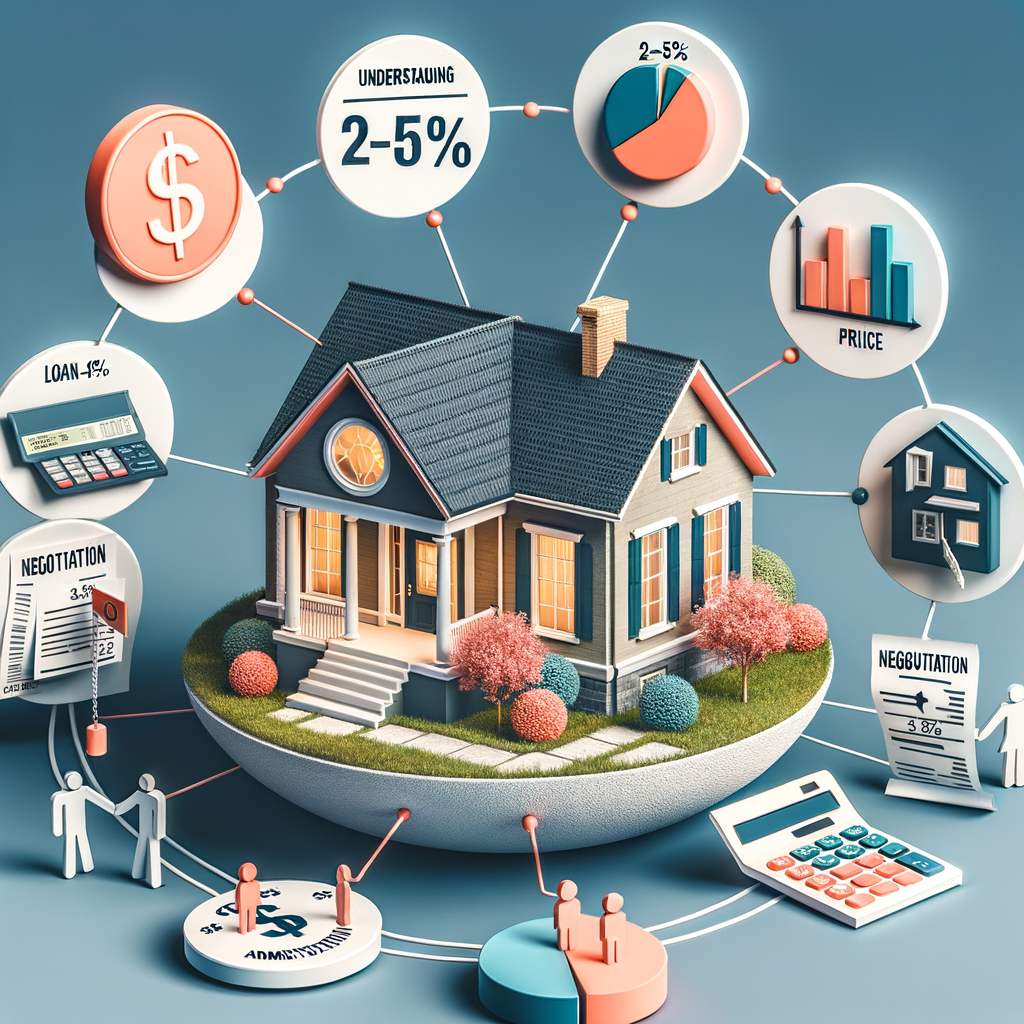
Closing costs typically range from 2% to 5% of the home’s purchase price. For example, on a $300,000 home, buyers can expect to pay between $6,000 and $15,000 in closing costs. The exact amount depends on factors such as the loan type, lender fees, and local taxes. Buyers should request a Loan Estimate early in the process to understand the expected costs and compare offers from different lenders.
Who Pays Closing Costs?
In most cases, both buyers and sellers share the responsibility for closing costs, though the division varies by region and negotiation. Buyers typically pay for loan-related fees and inspections, while sellers often cover real estate agent commissions and certain transfer taxes. It’s possible to negotiate with the seller to cover part of the buyer’s closing costs as part of the purchase agreement.
Ways to Reduce Closing Costs
There are several strategies buyers can use to minimize their closing expenses:
- Shop Around for Lenders: Different lenders charge different fees, so comparing offers can lead to significant savings.
- Negotiate with the Seller: Ask the seller to contribute toward closing costs as part of the purchase negotiation.
- Review the Loan Estimate Carefully: Identify unnecessary or duplicate fees and ask your lender for clarification or adjustments.
- Consider Closing at Month-End: Closing near the end of the month can reduce prepaid interest charges.
Preparing for Closing Day
Before closing, review all documents carefully, including the Closing Disclosure, which outlines the final costs and terms of your loan. Ensure that all agreed-upon repairs or credits are reflected in the paperwork. Bring a valid ID, proof of insurance, and any required funds in the form of a cashier’s check or wire transfer.
Conclusion
Understanding closing costs is an essential part of the home-buying process. By knowing what to expect, budgeting appropriately, and exploring ways to reduce expenses, buyers can approach closing day with confidence and financial clarity. Taking the time to review and understand these costs ensures a smoother, more transparent path to homeownership.
Leave a Reply