
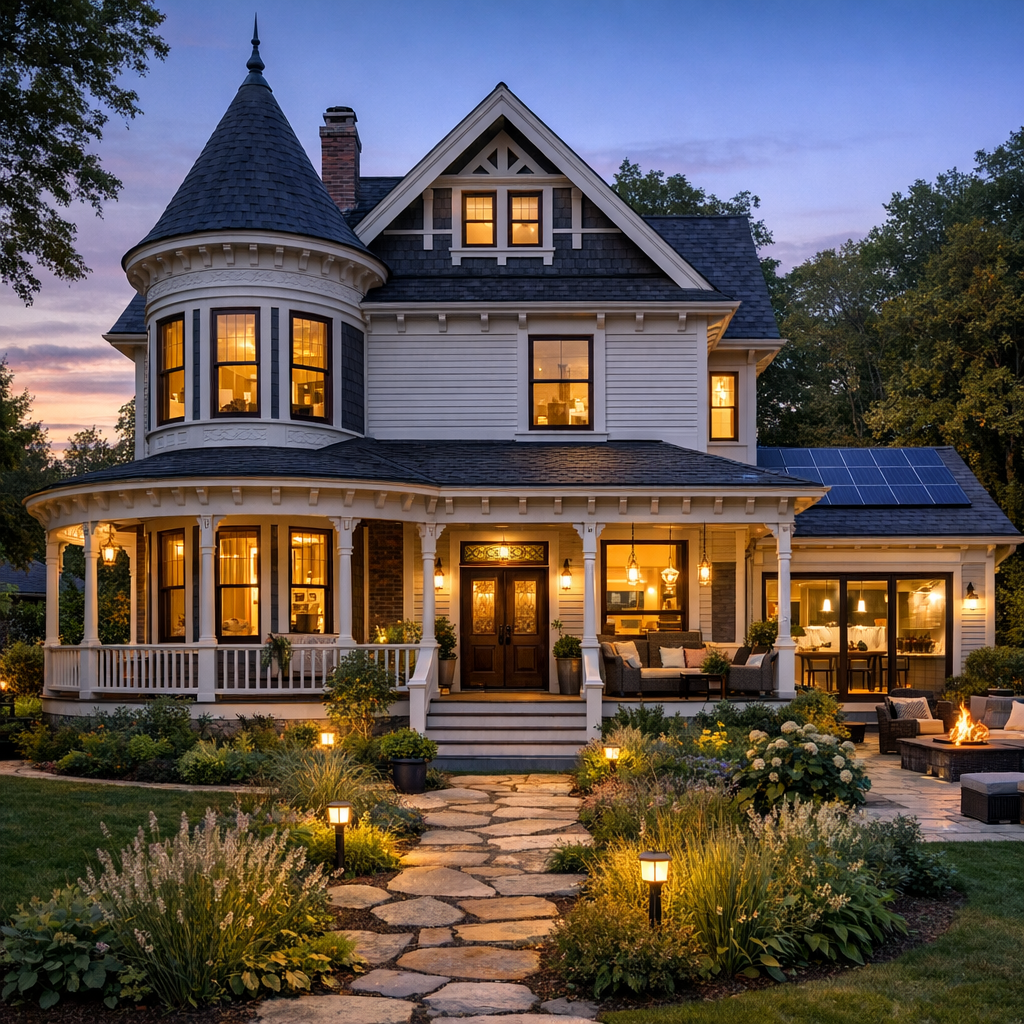
When we first stepped through the creaky front door of the old Victorian on Elm Street, we knew we were in for an adventure. The house had stood for over a hundred years, its walls whispering stories of generations past. Beneath the peeling wallpaper and uneven floors, we saw potential—a chance to blend history with modern living and create a home that reflected both our family’s spirit and the craftsmanship of a bygone era.
Discovering the Bones of the House
Our first step was understanding what we had. The structure, though tired, was solid. The original wood beams, hand-carved moldings, and stained-glass windows were treasures worth preserving. We brought in a structural engineer to assess the foundation and roof, ensuring that our dream wouldn’t crumble under the weight of time. Once we knew the house was sound, we could begin the transformation.
Balancing Restoration and Modernization
One of the biggest challenges was deciding what to restore and what to replace. We wanted to maintain the home’s character while ensuring it met the needs of a modern family. The original hardwood floors were refinished rather than replaced, their imperfections telling the story of a century’s worth of footsteps. However, we upgraded the electrical and plumbing systems to meet today’s safety standards and energy efficiency goals.
In the kitchen, we embraced a blend of old and new. We kept the original built-in cabinetry but added sleek, modern appliances and quartz countertops. The result was a space that felt both timeless and functional—a place where history and innovation could coexist.
Preserving the Past Through Design
We wanted every room to honor the home’s heritage. The living room’s ornate fireplace became the focal point, restored to its former glory with careful cleaning and a fresh coat of heat-resistant paint. In the dining room, we uncovered a hidden mural beneath layers of wallpaper—a delicate floral pattern that we decided to preserve as a feature wall.
Lighting played a crucial role in tying the old and new together. We sourced vintage fixtures from local antique shops and paired them with modern LED bulbs for efficiency. The result was a warm, inviting glow that highlighted the home’s architectural details while keeping energy costs low.
Creating a Home for the Future
While the restoration honored the past, we also looked ahead. We added smart home features—programmable thermostats, security cameras, and energy-efficient windows—to make daily life more convenient and sustainable. The attic, once a dusty storage space, became a cozy home office filled with natural light, perfect for remote work and creative projects.
Outside, we revitalized the garden with native plants and a small vegetable patch, creating a space where our children could play and learn about nature. The wraparound porch, once sagging and neglected, now serves as our favorite gathering spot for morning coffee and evening sunsets.
The Reward of Restoration
Reviving a century-old home was not without its challenges—unexpected repairs, budget adjustments, and countless hours of labor tested our patience and perseverance. But the reward was immeasurable. We didn’t just renovate a house; we breathed new life into a piece of history. Every creak of the floorboards and every sunbeam through the stained glass reminds us that we are part of a continuing story.
Our home now stands as a testament to the beauty of restoration and the power of vision. It bridges the gap between past and present, offering our family a space that is both rooted in tradition and ready for the future. The ultimate fixer has become our forever home—a living legacy of craftsmanship, care, and love.
Leave a Reply