
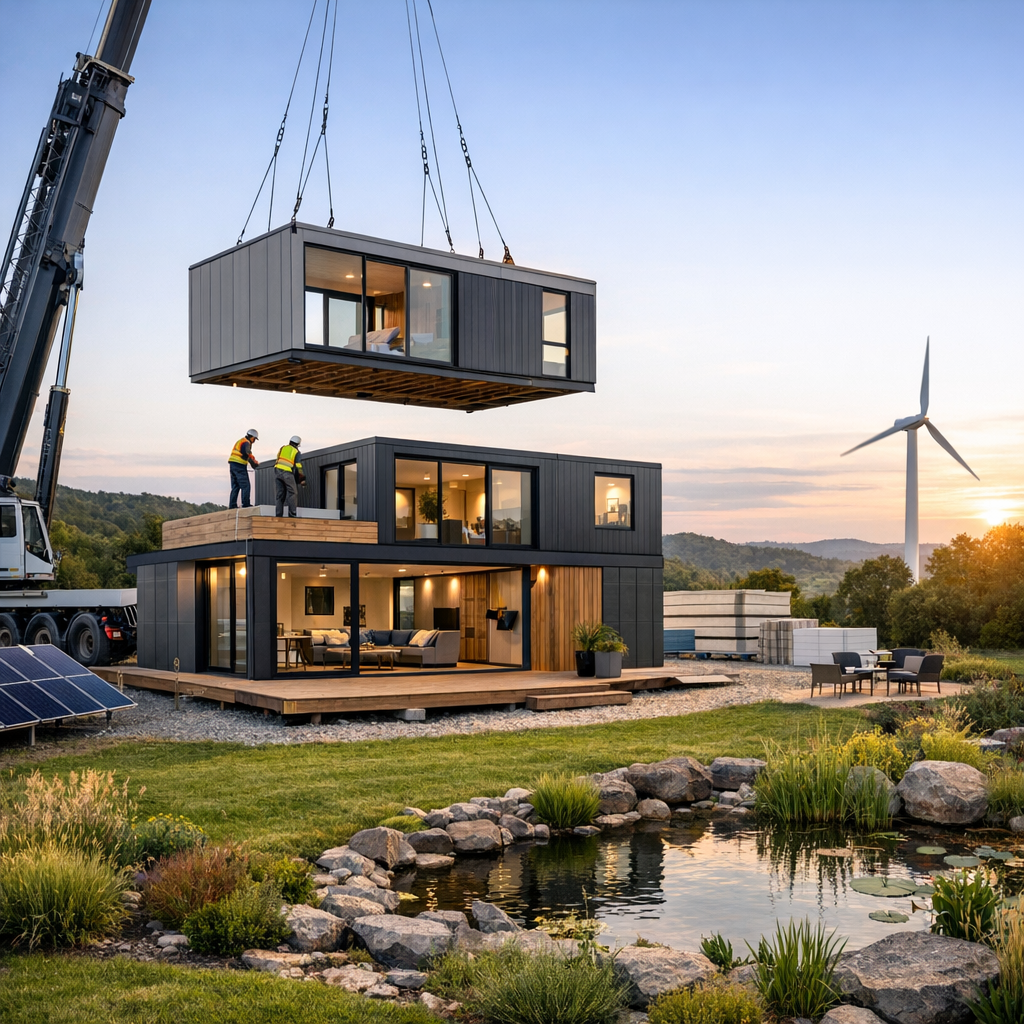
What Are Prefabricated Homes?
Prefabricated homes, often referred to as prefab or modular homes, are built using components manufactured in a controlled factory environment. These components are then transported to the building site and assembled into a complete structure. This method contrasts with traditional on-site construction, where every element is built from the ground up at the location.
Quality and Precision in Manufacturing
One of the most significant advantages of prefabricated homes is the high level of quality control. Because the components are produced in a factory setting, they are less exposed to weather conditions and other variables that can affect traditional construction. Advanced machinery and standardized processes ensure that each piece meets strict specifications, resulting in consistent quality and durability.
Additionally, the use of modern materials and technologies allows manufacturers to create homes that are energy-efficient, sustainable, and built to last. Many prefab homes now meet or exceed local building codes and energy standards, offering homeowners peace of mind and long-term value.
Efficiency and Cost Savings
Prefabrication significantly reduces construction time. Since the components are built off-site while site preparation occurs simultaneously, the overall project timeline is shortened. This efficiency translates into cost savings for both builders and homeowners. Reduced labor costs, minimized material waste, and fewer delays due to weather or logistical issues all contribute to a more economical building process.
Moreover, the predictability of factory production allows for more accurate budgeting and fewer unexpected expenses. For developers and homeowners alike, this reliability makes prefabricated homes an attractive option.
Sustainability and Environmental Benefits
Environmental sustainability is another key factor driving the popularity of prefabricated homes. The controlled manufacturing process minimizes waste, and many companies use eco-friendly materials and energy-efficient designs. Prefab homes often incorporate renewable energy systems, such as solar panels, and are designed to optimize natural light and ventilation, reducing long-term energy consumption.
By reducing the environmental footprint of construction, prefabricated homes align with global efforts to promote greener building practices and sustainable living.
Design Flexibility and Modern Appeal
Gone are the days when prefabricated homes were limited in design or style. Today’s prefab homes offer a wide range of architectural options, from minimalist modern designs to traditional aesthetics. Homeowners can customize layouts, finishes, and features to suit their preferences, making prefab homes as unique and personal as any traditionally built residence.
Architects and designers are increasingly embracing prefabrication as a creative medium, pushing the boundaries of what can be achieved with modular construction. The result is a new generation of homes that combine beauty, functionality, and innovation.
The Future of Housing
As technology continues to advance, the future of prefabricated homes looks promising. Innovations such as 3D printing, smart home integration, and sustainable materials are expected to further enhance the quality and efficiency of prefab construction. Governments and developers are also recognizing the potential of prefabrication to address housing shortages and promote affordable living solutions.
Ultimately, the rise of prefabricated homes represents a shift toward smarter, faster, and more sustainable ways of building. With their blend of quality, efficiency, and design flexibility, prefab homes are poised to play a central role in the future of housing worldwide.
Leave a Reply