
Changing Lifestyle Preferences
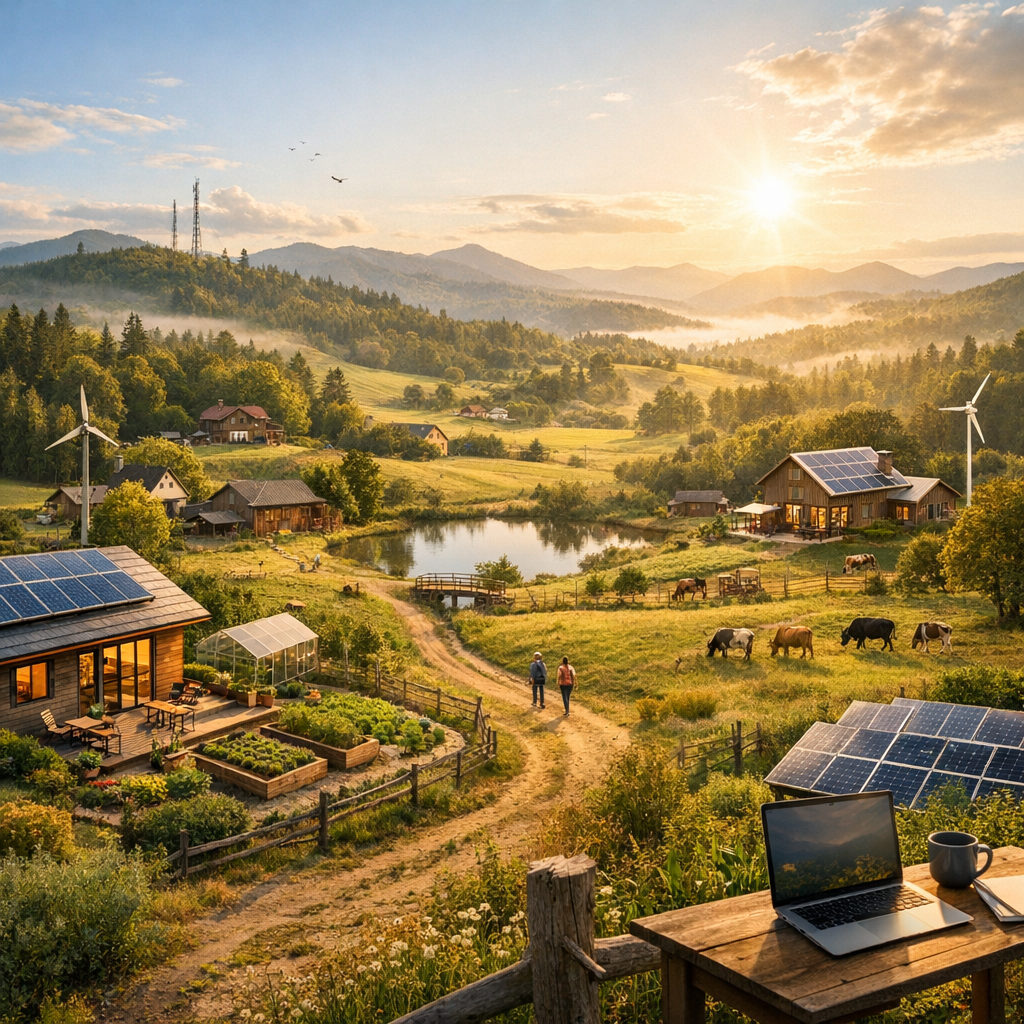
One of the most significant factors fueling the rural real estate boom is the growing desire for space, tranquility, and a closer connection to nature. The global pandemic accelerated this trend as remote work became mainstream, allowing professionals to relocate without sacrificing career opportunities. Families and individuals seeking a slower pace of life, lower cost of living, and stronger community ties have increasingly turned to rural areas as ideal destinations.
Technological Advancements and Connectivity
Improved digital infrastructure has been a game-changer for rural communities. The expansion of high-speed internet and mobile networks has made remote work, online education, and digital entrepreneurship viable in areas that were once considered isolated. This connectivity has opened new possibilities for both residents and businesses, making rural living more practical and appealing than ever before.
Investment Opportunities
Investors are recognizing the untapped potential of rural real estate. Agricultural land, recreational properties, and rural commercial developments are gaining attention as valuable assets. Additionally, the rise of eco-tourism, sustainable farming, and renewable energy projects has created new avenues for investment. With lower entry costs compared to urban markets, rural properties offer attractive returns and long-term growth potential.
Community and Sustainability
Rural communities are increasingly focusing on sustainability and self-sufficiency. Local food production, renewable energy initiatives, and conservation efforts are becoming central to rural development strategies. These initiatives not only enhance the quality of life for residents but also attract environmentally conscious buyers and investors who value responsible growth and stewardship of natural resources.
Challenges and Considerations
Despite the promising outlook, rural real estate is not without challenges. Limited infrastructure, access to healthcare, and educational resources can pose obstacles for newcomers. Additionally, zoning regulations and land-use restrictions may vary widely between regions. Investors and buyers must conduct thorough due diligence and work closely with local authorities and real estate professionals to navigate these complexities effectively.
The Future of Rural Real Estate
The revival of rural real estate represents more than a temporary shift—it signals a broader transformation in how people perceive and utilize land. As technology continues to bridge the gap between urban and rural living, and as sustainability becomes a central value in real estate development, rural areas are poised to play a vital role in shaping the future of housing and investment.
Ultimately, the renewed interest in rural real estate reflects a deeper societal movement toward balance—between work and life, progress and preservation, and growth and sustainability. For those willing to explore beyond the city limits, the opportunities are vast and the potential for meaningful impact is profound.
Leave a Reply