
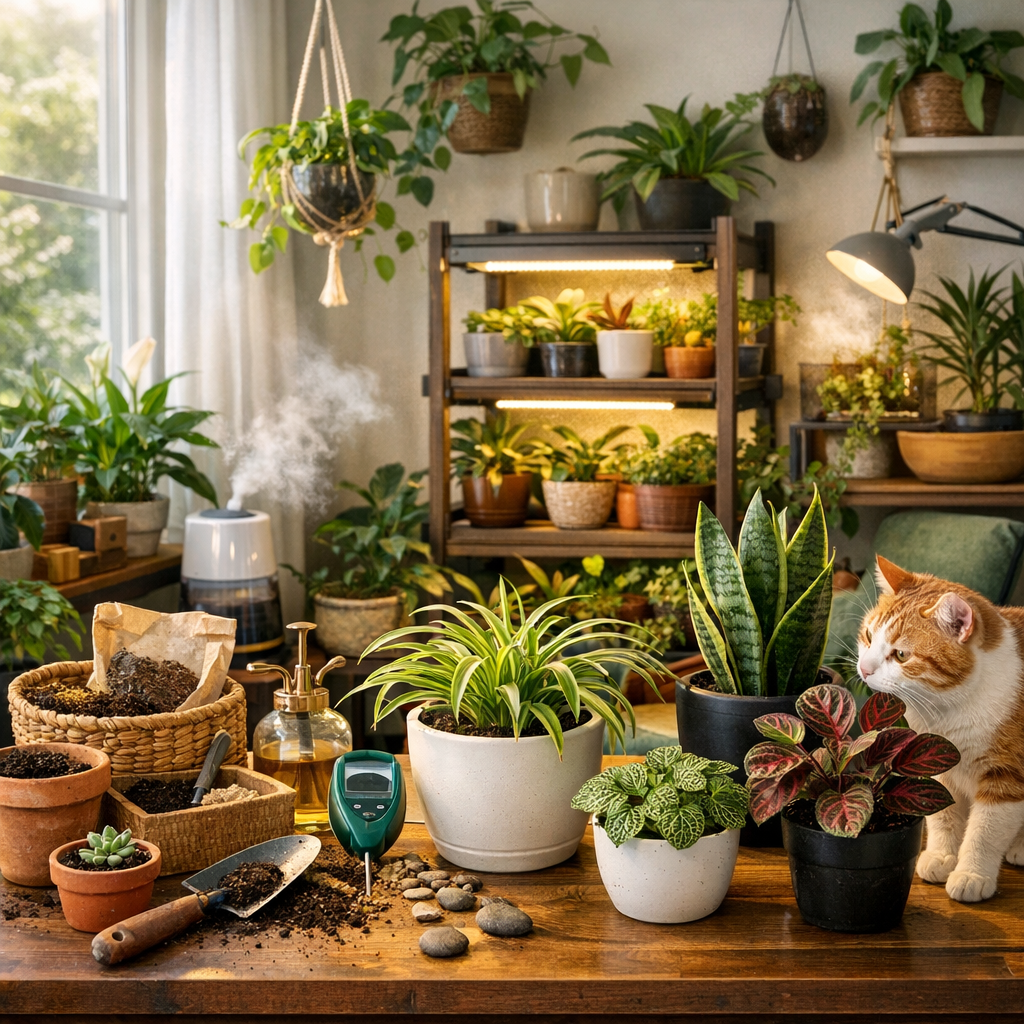
Indoor gardening offers renters the opportunity to bring nature into their homes, improve air quality, and create a calming environment without the need for outdoor space. Whether you live in a small apartment or a shared house, cultivating plants indoors can be both rewarding and practical. This guide will help you choose the right plants, set up your indoor garden, and maintain healthy greenery year-round.
Choosing the Right Plants for Your Space
Before purchasing plants, assess your living space. Consider factors such as light availability, humidity, and temperature. South-facing windows typically provide the most sunlight, while north-facing ones receive less direct light. Choose plants that thrive in your specific conditions.
- Low-light plants: Snake plant, pothos, ZZ plant, and peace lily.
- Bright, indirect light plants: Spider plant, philodendron, and ferns.
- Sunny window plants: Succulents, cacti, and herbs like basil or rosemary.
Containers and Soil
Renters often prefer lightweight, portable containers that can be easily moved when rearranging furniture or relocating. Choose pots with drainage holes to prevent root rot and use saucers to protect surfaces from water damage. For soil, select a high-quality potting mix suited to your plant type—cacti and succulents need well-draining soil, while tropical plants prefer moisture-retentive blends.
Lighting Solutions for Renters
If your apartment lacks natural light, consider using grow lights. LED grow lights are energy-efficient and come in various sizes to fit small spaces. Position them about 6–12 inches above your plants and set them on a timer for 12–16 hours per day to mimic natural daylight.
Watering and Humidity
Overwatering is one of the most common mistakes in indoor gardening. Always check the soil before watering—if the top inch feels dry, it’s time to water. Use room-temperature water and allow excess moisture to drain away. For plants that thrive in humidity, such as ferns or orchids, mist them regularly or place a small humidifier nearby.
Fertilizing and Maintenance
Indoor plants rely on you for nutrients since they can’t access natural soil ecosystems. Use a balanced, water-soluble fertilizer every 4–6 weeks during the growing season (spring and summer). Reduce feeding in fall and winter when growth slows. Regularly prune dead leaves, wipe dust from foliage, and repot plants every 1–2 years to encourage healthy growth.
Maximizing Space in Small Apartments
Renters can get creative with limited space by using vertical gardening techniques. Install wall-mounted planters, hanging baskets, or tiered plant stands to make the most of available room. Windowsills, shelves, and corners can also serve as mini green zones. Grouping plants together not only saves space but also helps maintain humidity levels.
Pet-Friendly Plant Choices
If you share your home with pets, ensure your plants are non-toxic. Safe options include spider plants, Boston ferns, and parlor palms. Avoid plants like lilies, philodendrons, and pothos, which can be harmful to cats and dogs if ingested.
Dealing with Common Problems
Even with proper care, indoor plants can face challenges. Yellowing leaves often indicate overwatering, while brown tips may suggest low humidity or excess fertilizer. If you notice pests such as aphids or spider mites, isolate the affected plant and treat it with insecticidal soap or neem oil.
Conclusion
Indoor gardening allows renters to enjoy the benefits of nature without needing outdoor space. By selecting the right plants, providing proper care, and making the most of available light and space, you can cultivate a thriving indoor oasis. With a little patience and attention, your home can become a lush, green retreat that enhances your well-being and personal style.
Leave a Reply