
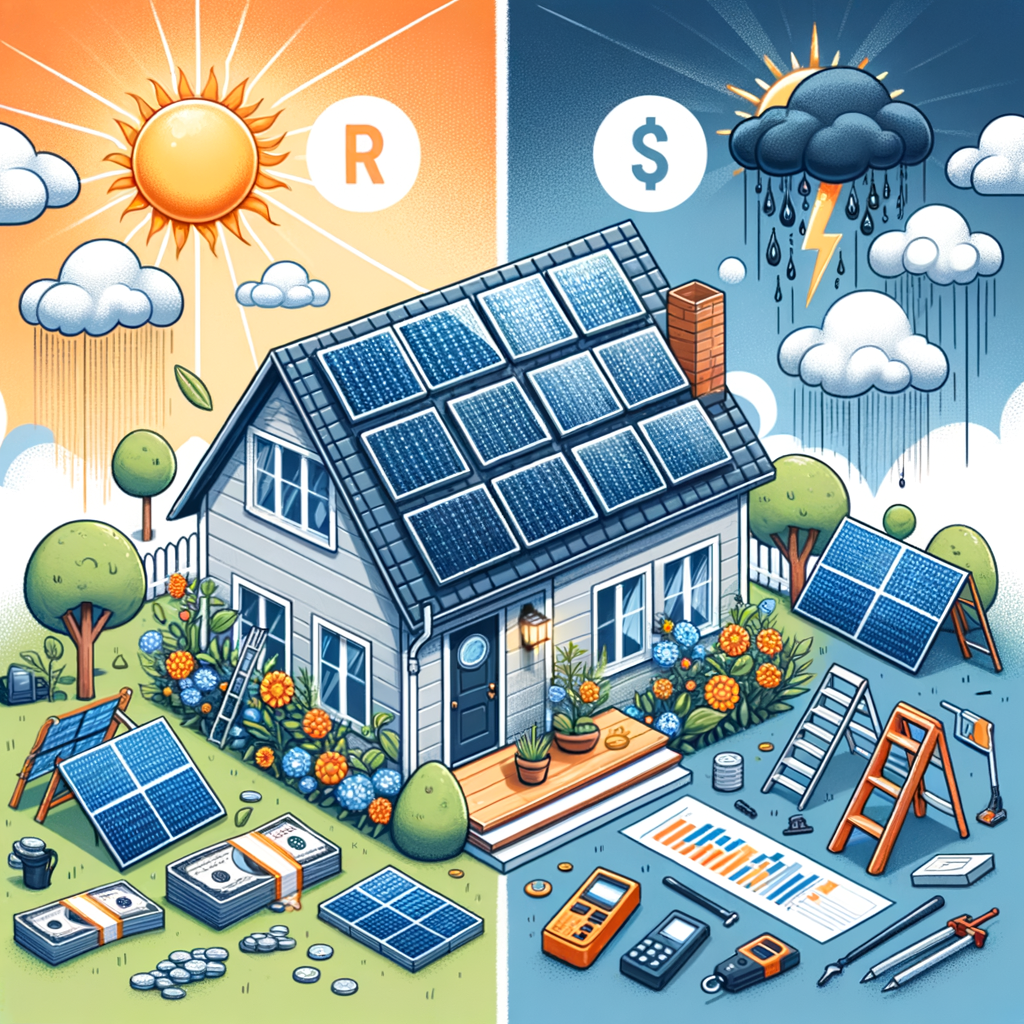
The Pros and Cons of Solar Panels for Homeowners
Solar energy has become a popular choice for homeowners looking to reduce their carbon footprint and save on electricity bills. Solar panels convert sunlight into electricity, providing a renewable source of energy that can power a home. However, like any technology, solar panels come with their own set of advantages and disadvantages. This article explores the pros and cons of installing solar panels for homeowners.
Pros of Solar Panels
1. Environmental Impact
One of the most significant benefits of solar panels is their positive impact on the environment. Solar energy is clean and renewable, reducing reliance on fossil fuels and lowering greenhouse gas emissions. This contributes to combating climate change and promoting sustainability.
2. Reduced Energy Bills
Installing solar panels can significantly reduce monthly electricity bills. Once the initial investment is recouped, the energy produced is practically free. In some cases, if your system produces more electricity than you use, you can sell the surplus back to the grid through net metering, further reducing your bills.
3. Increased Home Value
Homes equipped with solar panel systems have been shown to increase in value. Buyers are often willing to pay a premium for a home with solar panels because of the potential energy savings and environmental benefits.
4. Energy Independence
Solar panels can help homeowners become less dependent on the utility grid, especially important in areas with frequent power outages or unstable grid conditions. This can provide a significant advantage in terms of energy security and independence.
5. Incentives and Rebates
Many governments offer incentives, rebates, or tax breaks to encourage solar panel installations. These financial incentives can help offset the initial cost of installation, making solar panels more affordable for homeowners.
Cons of Solar Panels
1. High Initial Cost
The upfront cost of purchasing and installing solar panels can be quite high. Although prices have decreased over the years, the initial investment is still significant and may be a barrier for some homeowners.
2. Weather Dependent
The efficiency of solar panels is heavily dependent on sunlight. In areas with less sunny days or during periods of prolonged bad weather, the efficiency and output of solar panels can be significantly reduced.
3. Space Requirements
Solar panels require a considerable amount of space for installation. Homeowners with small roofs or those that are shaded by trees or other buildings may find it challenging to install enough panels to meet their energy needs.
4. Aesthetic Concerns
Some homeowners may find solar panels unattractive or unsuitable for their home’s aesthetic. This can be a particular concern in historic neighborhoods or areas with strict homeowners association rules.
5. Maintenance
While solar panels generally require little maintenance, they do need to be cleaned regularly to maintain their efficiency. In snowy or dusty areas, this can become a frequent necessity. Additionally, the inverter and other components may need to be replaced over the lifetime of the system.
Conclusion
While solar panels offer numerous benefits, including environmental sustainability and potential cost savings, they also come with drawbacks such as high initial costs and dependency on weather conditions. Homeowners considering solar panels should weigh these factors carefully to determine if they are the right choice for their home and personal circumstances.
Leave a Reply