
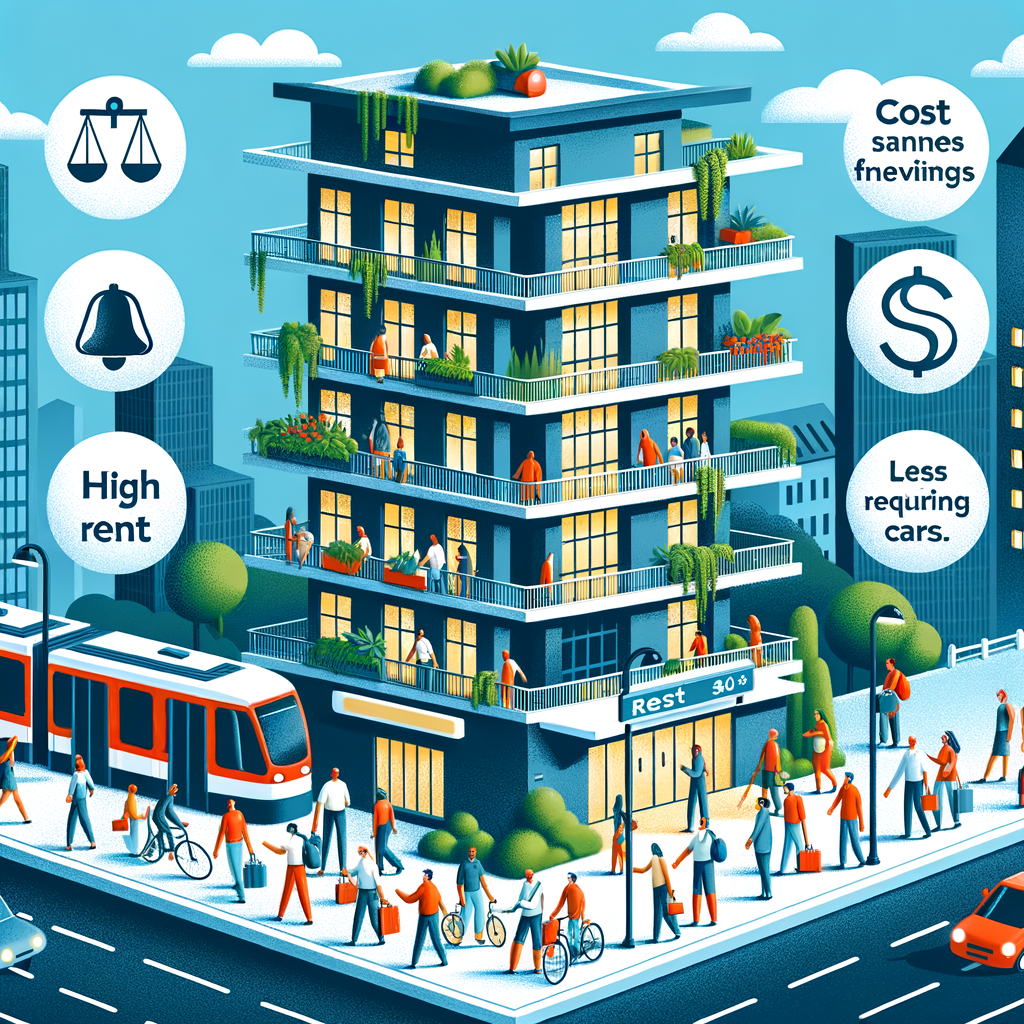
The Pros and Cons of Renting Near Public Transit
Renting a home near public transit facilities is an increasingly popular choice for many urban dwellers. The proximity to transit hubs can offer a myriad of benefits but also comes with its own set of drawbacks. This article explores the advantages and disadvantages of renting near public transit to help potential renters make an informed decision.
Pros of Renting Near Public Transit
1. Convenience
One of the most significant benefits of living near public transit is the convenience it offers. Residents can save time and avoid the stress associated with daily commutes by having easy access to buses, trains, or subways. This is particularly advantageous for those who work in or frequently travel to congested urban centers.
2. Cost-Effectiveness
Renting near public transit can also be cost-effective. It often reduces the need to own a car, which includes savings on car payments, insurance, maintenance, and fuel. Additionally, many transit systems offer monthly passes that are more economical than driving and parking costs in city centers.
3. Environmental Impact
Using public transit is a more environmentally friendly option compared to driving. It reduces your carbon footprint by lowering the amount of greenhouse gases emitted per person. This is crucial in the fight against climate change and for the sustainability of urban environments.
4. Increased Mobility
Living near public transit increases mobility for residents without cars, particularly the elderly, young, and those with disabilities. This accessibility can enhance the quality of life by making it easier to reach essential services, social activities, and employment opportunities.
Cons of Renting Near Public Transit
1. Noise and Crowding
One of the primary drawbacks of living near public transit is the potential for noise. Trains, buses, and trams can generate significant levels of sound, particularly if the accommodation is very close to a station or a track. Additionally, areas around transit hubs can be crowded, which might be unappealing for those seeking a quieter, less busy living environment.
2. Higher Rent Prices
Properties close to public transit often come with a higher rent due to their desirable location. The increased demand for these properties can drive up rental prices, which might not be ideal for everyone, especially those on a tight budget.
3. Safety Concerns
While not always the case, areas around public transit can sometimes have higher rates of crime due to their accessibility and high traffic. Potential renters should research local crime rates and perhaps visit the area at different times to gauge safety levels before deciding to rent.
4. Limited Privacy
The high population density typical of areas near public transit stations can also mean less privacy. The coming and going of many people might be a concern for those who value a more secluded lifestyle.
Conclusion
Choosing to rent near public transit offers a blend of convenience, cost-effectiveness, and environmental benefits. However, it also comes with potential downsides such as noise, higher rents, safety concerns, and reduced privacy. Weighing these factors carefully will help ensure that you find a rental that truly suits your lifestyle and needs.
Leave a Reply