
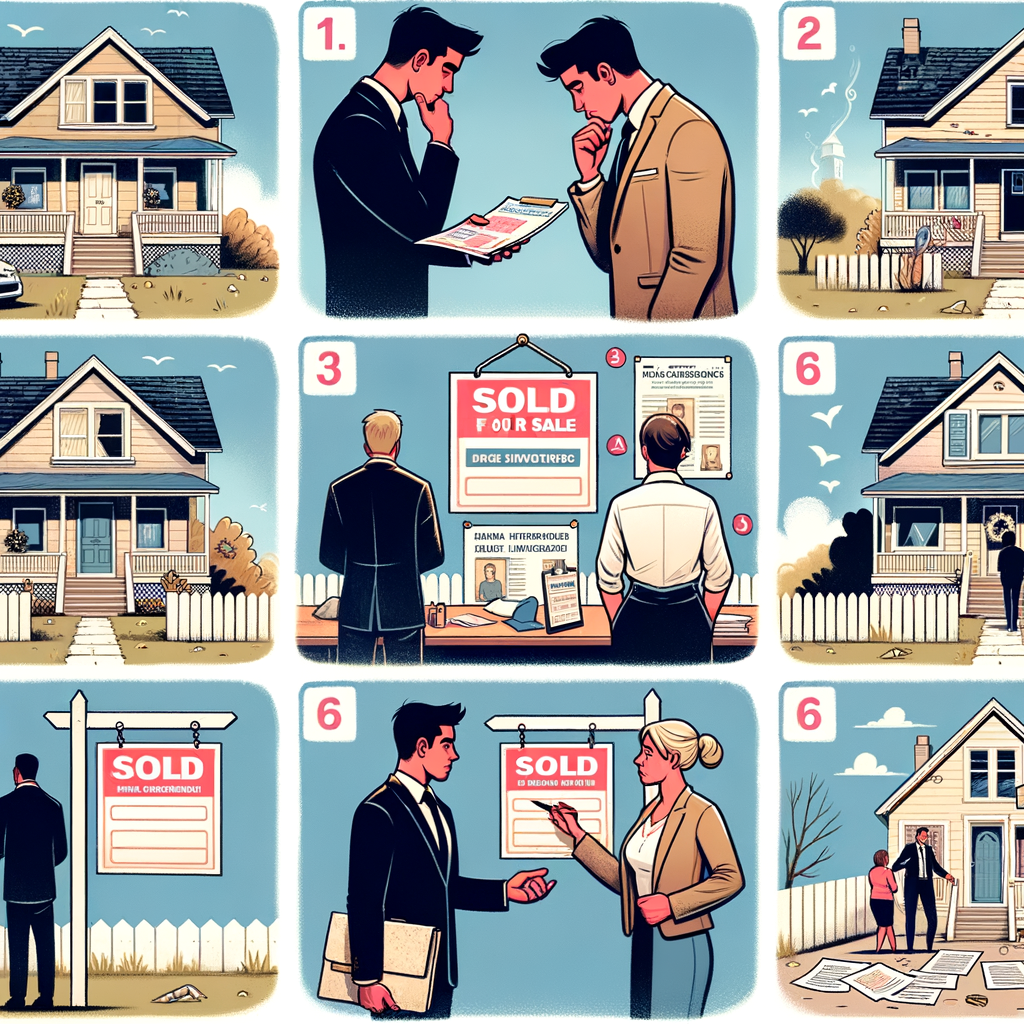
The Journey from Listing to Closing: A Seller’s Tale
Selling a home is often described as a stressful and complex process. From deciding to list the property to finally handing over the keys, each step involves careful planning and execution. This article aims to demystify the process and offer a clear guide on what sellers can expect from listing to closing.
1. Decision to Sell
The journey begins with the decision to sell your home. This decision might be driven by various factors such as relocation, financial needs, or lifestyle changes. Before proceeding, it’s crucial to assess the market conditions and consider the timing. Consulting with a real estate professional can provide valuable insights into the local market and help you set realistic expectations.
2. Preparing the Home
Once the decision is made, preparing your home for sale is the next step. This involves decluttering, deep cleaning, making necessary repairs, and possibly staging the home to make it appealing to potential buyers. These efforts can significantly impact the attractiveness of your property and its eventual sale price.
3. Setting the Price
Pricing your home correctly is critical. Set the price too high, and you risk having your home sit on the market; too low, and you may not get the return on investment you deserve. A comparative market analysis (CMA) performed by a real estate agent can help determine a competitive and fair price based on similar, recently sold properties in your area.
4. Listing the Property
With the home prepped and the price set, the next step is to list the property. This typically involves taking professional photos, creating a listing description, and posting the property on multiple real estate platforms. Your agent will also market your home through various channels to attract potential buyers.
5. Showing the Home
Once listed, you’ll need to accommodate potential buyers who want to tour the home. This can mean frequent showings, often requiring you to vacate the home on short notice. Keeping your home in show-ready condition is key during this phase.
6. Receiving and Negotiating Offers
When offers start coming in, it’s important to review each one carefully. Consider not only the offer price but also the terms and conditions of each proposal. Negotiations may involve several rounds of counteroffers, and a skilled real estate agent can be invaluable in navigating this complex process.
7. The Contract and Due Diligence
Once you accept an offer, the home goes under contract. The buyer will typically conduct a home inspection and may request repairs or concessions based on the findings. This due diligence period is also when the buyer secures financing. As the seller, you’ll need to meet any agreed-upon conditions and keep the process moving forward.
8. Closing the Sale
The final step in selling your home is the closing, where ownership is officially transferred to the buyer. This involves signing a lot of paperwork, settling any remaining fees, and finally, handing over the keys. It’s a day of mixed emotions—satisfaction at completing the sale, coupled with nostalgia for the memories made in the home.
Conclusion
The journey from listing to closing involves numerous steps, each with its own challenges and rewards. By understanding what to expect and preparing accordingly, sellers can navigate this process more smoothly and even find joy in the journey of transitioning from one home to the next.
Leave a Reply