
Securing a mortgage is a significant financial commitment and one of the most important steps in purchasing a home. A key factor that lenders consider when deciding whether to approve a mortgage application is the applicant’s credit history. Understanding how your credit history impacts your ability to secure a mortgage can help you prepare and improve your chances of approval.
Understanding Credit History
Your credit history is a record of your financial behavior, including how you manage debt and repay loans. It is compiled into a credit report by credit bureaus and used to calculate your credit score. This score is a numerical representation of your creditworthiness and is a critical factor in the mortgage approval process.
Components of Credit History
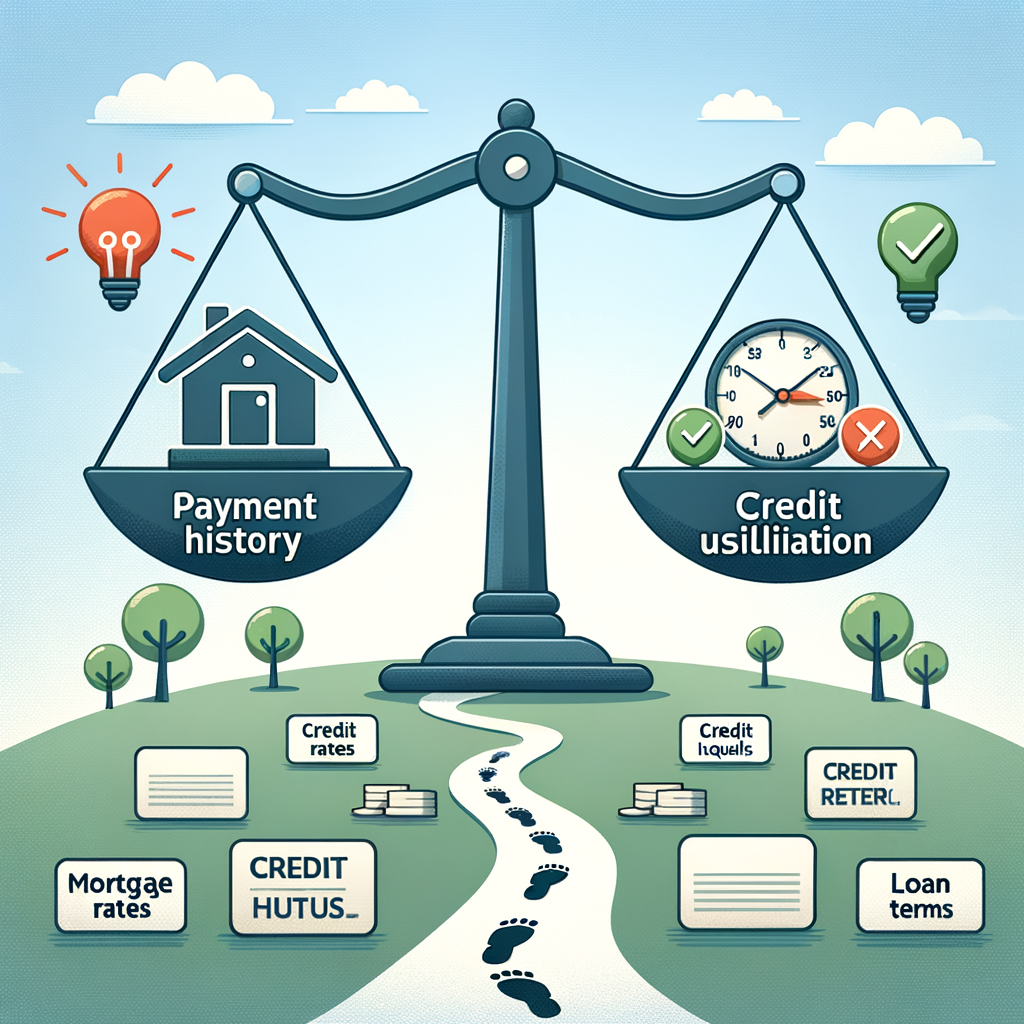
- Payment History: This is the record of your payments on credit accounts, including credit cards, loans, and mortgages. Late payments, defaults, and bankruptcies negatively affect your credit history.
- Credit Utilization: This refers to the ratio of your current credit card balances to your credit limits. High credit utilization can indicate financial distress and lower your credit score.
- Length of Credit History: A longer credit history provides more data on your financial behavior, which can be beneficial if you have a positive track record.
- Types of Credit: Having a mix of credit types, such as credit cards, installment loans, and retail accounts, can positively impact your credit score.
- Recent Credit Inquiries: Frequent applications for new credit can be seen as a risk factor and may lower your credit score.
How Credit History Affects Mortgage Approval
Lenders use your credit history to assess the risk of lending to you. A strong credit history indicates that you are likely to repay the mortgage on time, while a poor credit history suggests a higher risk of default. Here are some ways your credit history can impact your mortgage application:
Interest Rates
Borrowers with higher credit scores are typically offered lower interest rates. A lower interest rate can save you thousands of dollars over the life of the mortgage. Conversely, a lower credit score may result in higher interest rates, increasing the overall cost of the loan.
Loan Approval
A good credit history increases your chances of mortgage approval. Lenders are more likely to approve applications from borrowers who have demonstrated responsible financial behavior. If your credit history is poor, you may face challenges in getting approved for a mortgage or may need to provide additional documentation or a larger down payment.
Loan Terms
Your credit history can also affect the terms of your mortgage. Borrowers with excellent credit may have access to more favorable loan terms, such as lower fees and more flexible repayment options. Those with poor credit may face stricter terms and conditions.
Improving Your Credit History
If your credit history is less than ideal, there are steps you can take to improve it before applying for a mortgage:
- Pay Bills on Time: Consistently paying your bills on time is one of the most effective ways to improve your credit history.
- Reduce Debt: Lowering your credit card balances and paying off outstanding debts can improve your credit utilization ratio.
- Check Your Credit Report: Regularly review your credit report for errors or inaccuracies and dispute any discrepancies you find.
- Avoid New Credit Applications: Minimize new credit inquiries by avoiding unnecessary applications for credit cards or loans.
- Build a Positive Credit History: If you have a limited credit history, consider using a secured credit card or becoming an authorized user on a responsible person’s account to build a positive credit record.
Conclusion
Your credit history plays a crucial role in securing a mortgage. By understanding the components of your credit history and taking steps to improve it, you can enhance your chances of obtaining favorable mortgage terms. Responsible financial behavior and proactive credit management are key to achieving your homeownership goals.
Leave a Reply