
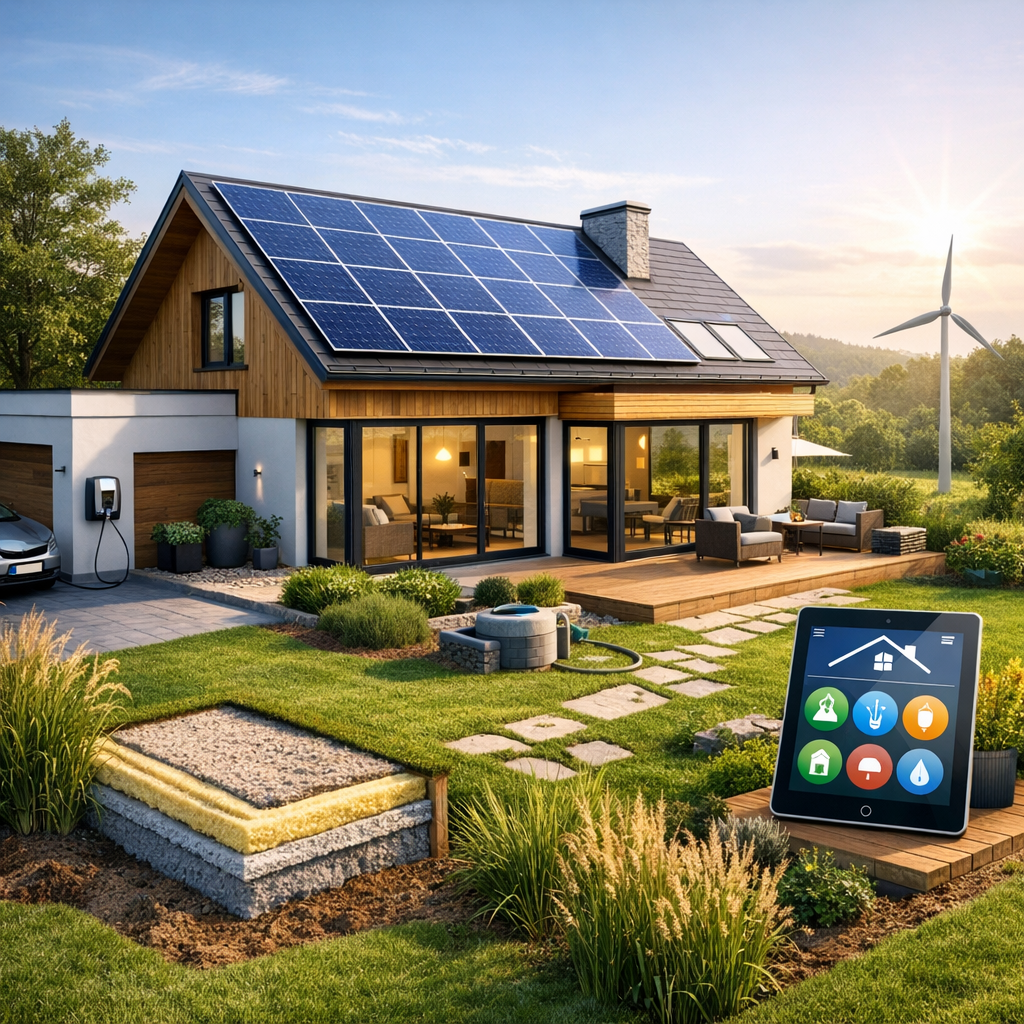
The Rise of Eco-Conscious Homebuyers
Environmental awareness and rising energy costs have encouraged many individuals to seek homes that minimize their carbon footprint. Green home buyers are motivated by both ecological responsibility and long-term financial savings. They understand that energy-efficient homes reduce utility bills, improve indoor comfort, and contribute to a healthier planet.
Key Features of Energy-Efficient Homes
Energy-efficient homes incorporate a range of design elements and technologies aimed at reducing energy consumption. Common features include:
- High-Performance Insulation: Proper insulation helps maintain consistent indoor temperatures, reducing the need for heating and cooling.
- Energy-Efficient Windows: Double or triple-pane windows with low-emissivity coatings minimize heat transfer and improve comfort.
- Solar Panels: Photovoltaic systems allow homeowners to generate renewable energy, often offsetting a significant portion of their electricity needs.
- Smart Home Systems: Automated thermostats, lighting, and appliances optimize energy use and provide real-time monitoring.
- Efficient HVAC Systems: Modern heating, ventilation, and air conditioning units use less energy while maintaining superior air quality.
Financial and Environmental Benefits
While the initial investment in an energy-efficient home may be higher, the long-term benefits are substantial. Lower utility bills, potential tax incentives, and increased property value make these homes financially attractive. Additionally, energy-efficient homes contribute to reducing greenhouse gas emissions, supporting global sustainability goals.
Government Incentives and Certification Programs
Many governments and organizations offer incentives to promote energy-efficient housing. Programs such as ENERGY STAR, LEED (Leadership in Energy and Environmental Design), and local green building certifications provide guidelines and recognition for sustainable construction. Buyers can use these certifications as benchmarks when evaluating potential properties.
Challenges and Considerations
Despite the growing popularity of green homes, challenges remain. Some buyers may find it difficult to navigate the technical aspects of energy efficiency or to verify a home’s performance claims. Additionally, the availability of green homes can vary by region, and upfront costs may deter some potential buyers. Education and transparency are key to overcoming these barriers.
The Future of Green Home Buying
As technology advances and environmental awareness continues to grow, the demand for energy-efficient homes is expected to rise. Builders are increasingly adopting sustainable practices, and financial institutions are offering green mortgages to support eco-friendly investments. The future of real estate is undeniably green, with energy efficiency becoming a standard rather than a luxury.
For today’s homebuyers, pursuing energy efficiency is not just a trend—it’s a commitment to a sustainable lifestyle. By choosing green homes, buyers are investing in their future, their community, and the planet.
Leave a Reply