
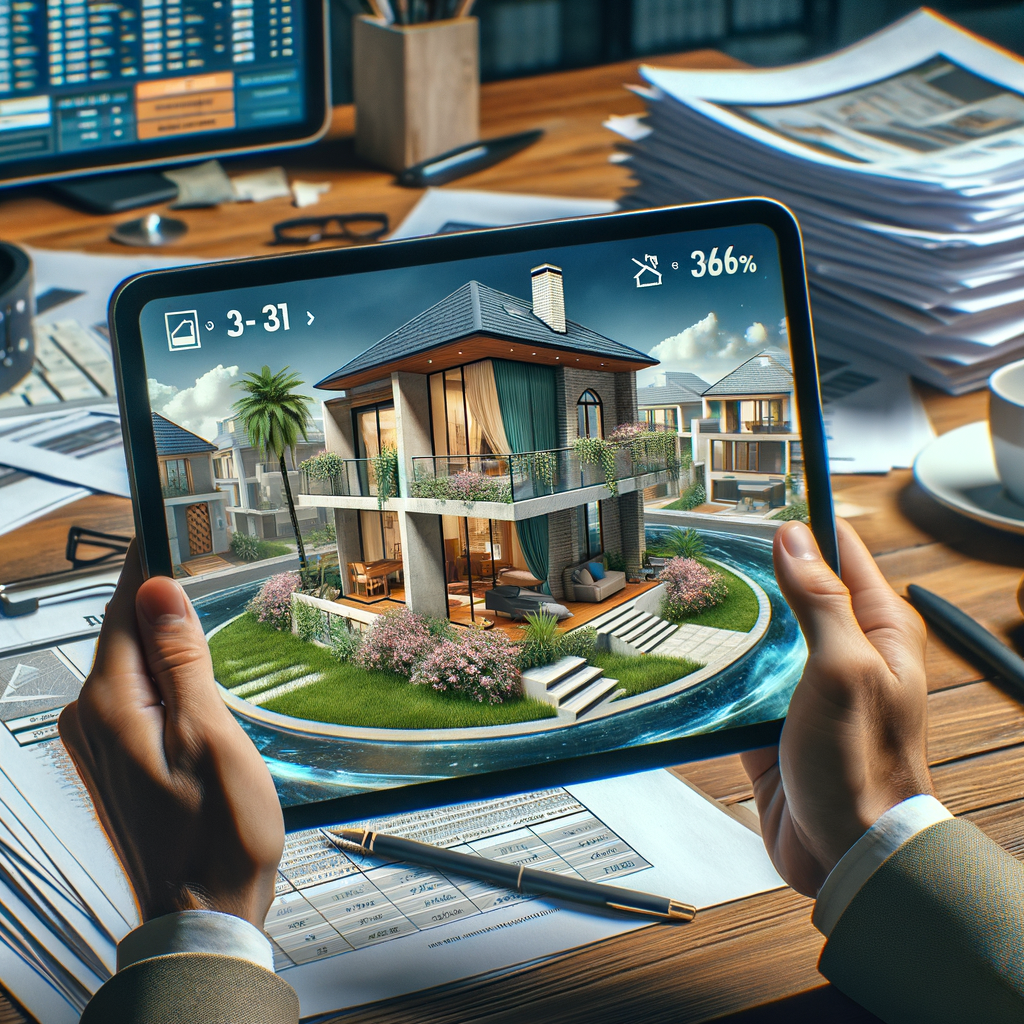
The Rise of Virtual Tours
Virtual tours have become a cornerstone of the modern home buying experience. Using high-resolution photography, 3D modeling, and virtual reality technology, potential buyers can now explore properties from the comfort of their own homes. This immersive experience allows them to walk through rooms, view layouts, and get a realistic sense of space without scheduling an in-person visit.
For sellers and agents, virtual tours offer a powerful marketing tool that can reach a wider audience. They help filter out less serious buyers, saving time for both parties. Additionally, international and out-of-state buyers benefit greatly from this technology, as they can make informed decisions without the need for costly travel.
Digital Closings: Streamlining the Final Step
Once a buyer decides on a property, the next step—closing—has traditionally been a paper-heavy and time-consuming process. Digital closings, also known as eClosings, are revolutionizing this stage by allowing documents to be signed and notarized electronically. This innovation reduces errors, speeds up transactions, and provides a more secure and transparent process.
With remote online notarization (RON) becoming more widely accepted, buyers and sellers can complete the closing process from virtually anywhere. This flexibility has proven especially valuable in recent years, as remote work and digital communication have become the norm.
Benefits for Buyers, Sellers, and Agents
The integration of virtual tours and digital closings offers numerous benefits across the real estate ecosystem. Buyers enjoy greater convenience and confidence in their decisions. Sellers benefit from faster sales and broader exposure. Agents can manage transactions more efficiently, focusing their efforts on client relationships rather than administrative tasks.
Moreover, these technologies contribute to a more sustainable industry by reducing travel, paper usage, and the carbon footprint associated with traditional home buying practices.
Challenges and Considerations
Despite the advantages, there are challenges to consider. Ensuring data security and privacy during digital transactions is paramount. Additionally, not all regions have fully adopted electronic notarization or digital closing procedures, which can create inconsistencies in the process. Real estate professionals must also adapt to new tools and technologies, requiring ongoing training and support.
The Road Ahead
As technology continues to evolve, the future of home buying will likely become even more digital and user-centric. Artificial intelligence, augmented reality, and blockchain are poised to further enhance transparency, personalization, and efficiency in real estate transactions. The combination of these innovations will make buying a home not only faster but also more enjoyable and accessible for everyone involved.
In conclusion, virtual tours and digital closings represent a significant leap forward in the real estate industry. They empower buyers and sellers with greater control, convenience, and confidence, setting the stage for a more connected and efficient future in home buying.
Leave a Reply