
The Future of Commercial Real Estate in a Post-Pandemic World
The COVID-19 pandemic has left an indelible mark on the landscape of commercial real estate (CRE). As we move into a post-pandemic world, the sector is poised for a transformation, influenced by changing work habits, economic shifts, and technological advancements. This article explores the potential future trends and challenges that could shape the commercial real estate industry in the years to come.
Shift Towards Remote and Hybrid Work Models
The adoption of remote and hybrid work models during the pandemic has significantly impacted the demand for office spaces. Companies have realized that many jobs can be done effectively from home, leading to a reevaluation of their need for physical office spaces. This shift is likely to result in a decreased demand for traditional office spaces, while potentially increasing the demand for flexible workspaces that can accommodate hybrid work models.
Reimagining Office Spaces
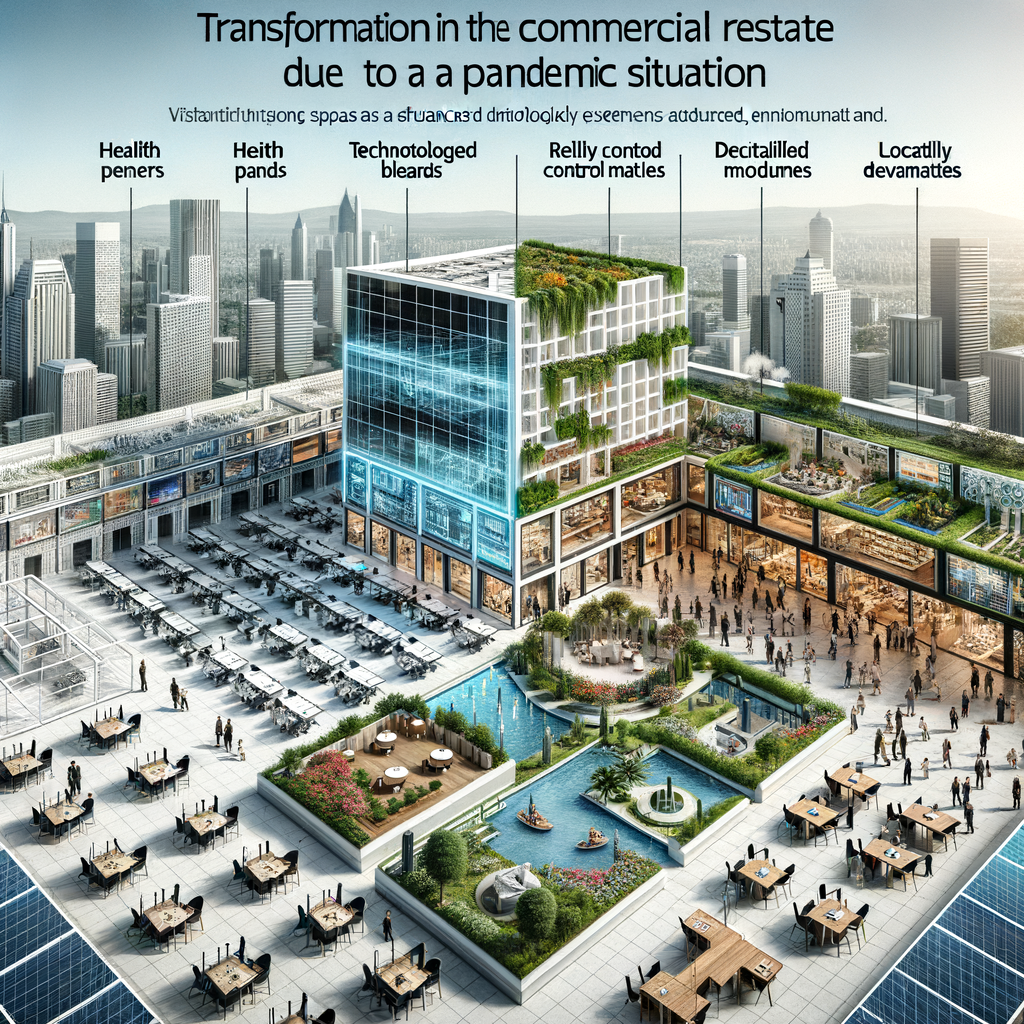
As the function of office spaces evolves, there is a growing need to reimagine these spaces to suit new working styles. This includes the redesign of office layouts to promote social distancing, increased emphasis on health and safety measures, and the integration of technology to facilitate seamless remote collaboration. Offices of the future may also need to provide amenities that encourage employees to return to the office, such as advanced wellness centers, green spaces, and recreational facilities.
Impact on Retail and Hospitality
The retail and hospitality sectors have been among the hardest hit by the pandemic. The surge in online shopping has accelerated the decline of brick-and-mortar stores, while the hospitality industry has had to adapt to a drastic reduction in travel. Post-pandemic, we may see an increased integration of technology in these spaces, such as the use of virtual reality (VR) and augmented reality (AR) to enhance customer experiences, and a greater focus on local and domestic tourists.
Technological Integration
Technology will play a crucial role in the future of commercial real estate. From smart buildings that optimize energy use and maintain air quality, to the use of big data and AI in managing property and enhancing tenant experiences, technology will be integral to making commercial spaces safer and more efficient. Additionally, blockchain could revolutionize property transactions by increasing transparency and reducing transaction times.
Focus on Sustainability
Sustainability will become increasingly important in the post-pandemic world. There will be a push towards building and maintaining properties that adhere to environmental standards and help companies achieve their CSR goals. This includes the construction of energy-efficient buildings, increased use of renewable energy sources, and buildings designed with green spaces.
Urban Planning and Development
The pandemic has also sparked a rethinking of urban planning and development. There may be a shift towards developing more self-contained communities where work, home, and amenities are all within close proximity. This could lead to a rise in mixed-use developments that combine residential, commercial, and recreational spaces.
Conclusion
The future of commercial real estate is set to be markedly different from its past. The industry must adapt to the lasting changes brought about by the pandemic, focusing on flexibility, technology, and sustainability. While there are challenges ahead, these changes also present opportunities for innovation and growth in the sector.
Leave a Reply