
<article>
  <h1>The Evolution of Home Design Trends in the Market</h1>
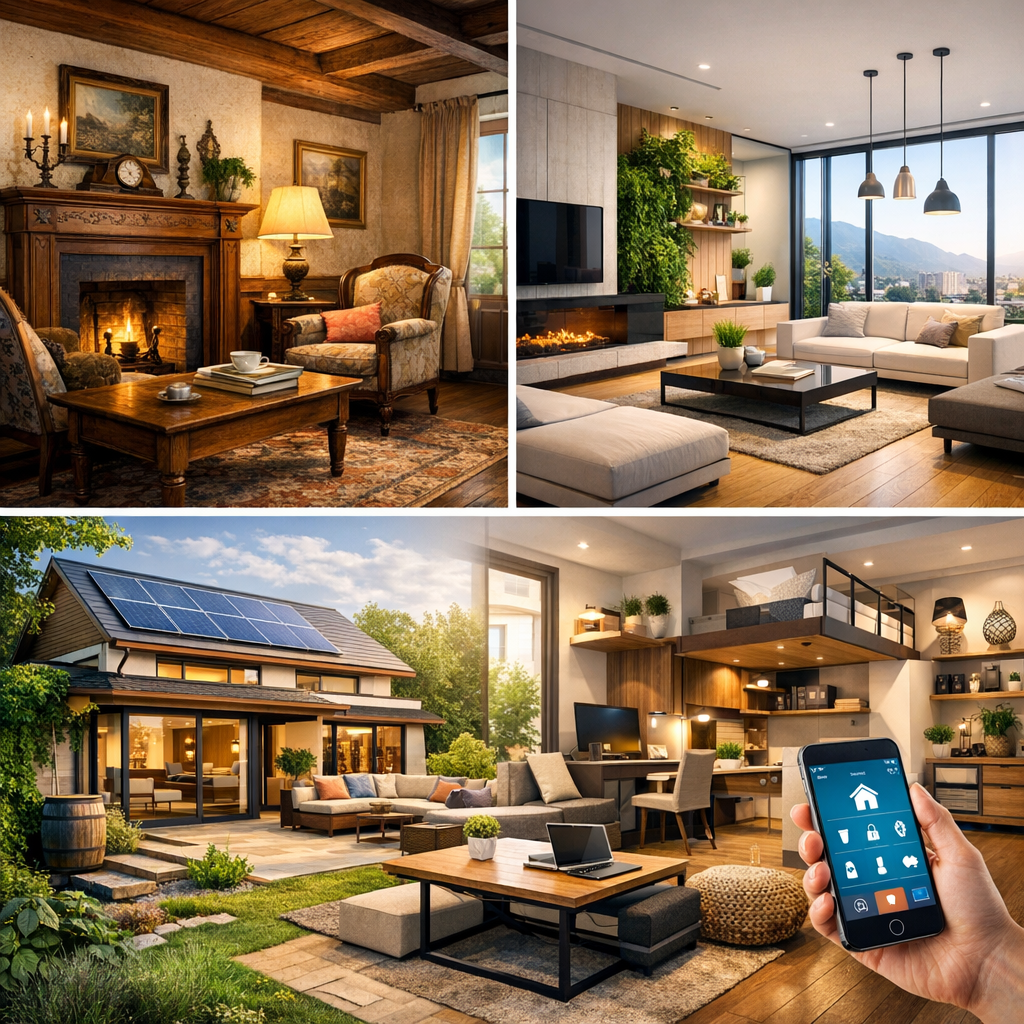
  <p>Home design has undergone a remarkable transformation over the decades, reflecting changes in technology, culture, and lifestyle. From traditional architectural styles to modern minimalist aesthetics, the evolution of home design trends mirrors the way people live, work, and interact with their surroundings.</p>

  <h2>Early Influences and Traditional Designs</h2>
  <p>In the early 20th century, home design was heavily influenced by regional architecture and available materials. Craftsman and Colonial Revival styles dominated, emphasizing handcrafted details, natural wood, and symmetrical layouts. Homes were designed for functionality, with distinct rooms serving specific purposes such as dining, cooking, and entertaining.</p>

  <h2>Post-War Modernism and Open Concepts</h2>
  <p>Following World War II, the housing boom brought about a shift toward modernism. The mid-century modern movement introduced open floor plans, large windows, and integration with nature. Designers like Frank Lloyd Wright championed the idea of organic architecture, blending indoor and outdoor spaces seamlessly. This period also saw the rise of suburban living, where practicality and comfort became key design priorities.</p>

  <h2>The Rise of Technology and Smart Homes</h2>
  <p>As technology advanced, home design began to incorporate innovative systems that improved convenience and efficiency. The late 20th and early 21st centuries saw the emergence of smart homes equipped with automated lighting, climate control, and security systems. These innovations not only enhanced comfort but also contributed to energy efficiency and sustainability.</p>

  <h2>Sustainability and Eco-Friendly Design</h2>
  <p>Environmental awareness has become a major driving force in contemporary home design. Sustainable materials, energy-efficient appliances, and renewable energy sources are now central to modern architecture. Green building certifications and eco-conscious construction practices have gained popularity, reflecting a growing commitment to reducing environmental impact.</p>

  <h2>Minimalism and Multifunctional Spaces</h2>
  <p>In recent years, minimalism has emerged as a dominant trend, emphasizing simplicity, clean lines, and clutter-free living. The rise of urban living and smaller spaces has encouraged designers to create multifunctional areas that maximize utility without sacrificing style. Furniture with hidden storage, modular layouts, and flexible room designs cater to the needs of modern homeowners.</p>

  <h2>The Influence of Global and Cultural Trends</h2>
  <p>Globalization has also played a significant role in shaping home design. Cultural fusion has led to the incorporation of diverse styles, from Scandinavian minimalism to Japanese wabi-sabi aesthetics. This blending of influences allows homeowners to express individuality while maintaining a sense of harmony and balance within their living spaces.</p>

  <h2>Future Directions in Home Design</h2>
  <p>Looking ahead, the future of home design is likely to focus on adaptability, sustainability, and technology integration. Smart materials, 3D-printed homes, and biophilic design elements that connect people with nature are expected to define the next generation of residential architecture. As lifestyles continue to evolve, so too will the spaces we call home.</p>

  <p>Ultimately, the evolution of home design reflects humanity’s ongoing pursuit of comfort, beauty, and functionality. Each era brings new innovations and ideas that shape the way we live, ensuring that home design remains a dynamic and ever-changing field.</p>
</article>
Discover more from My-Rebo Your One-Stop Real Estate Marketplace
Subscribe to get the latest posts sent to your email.
Leave a Reply