
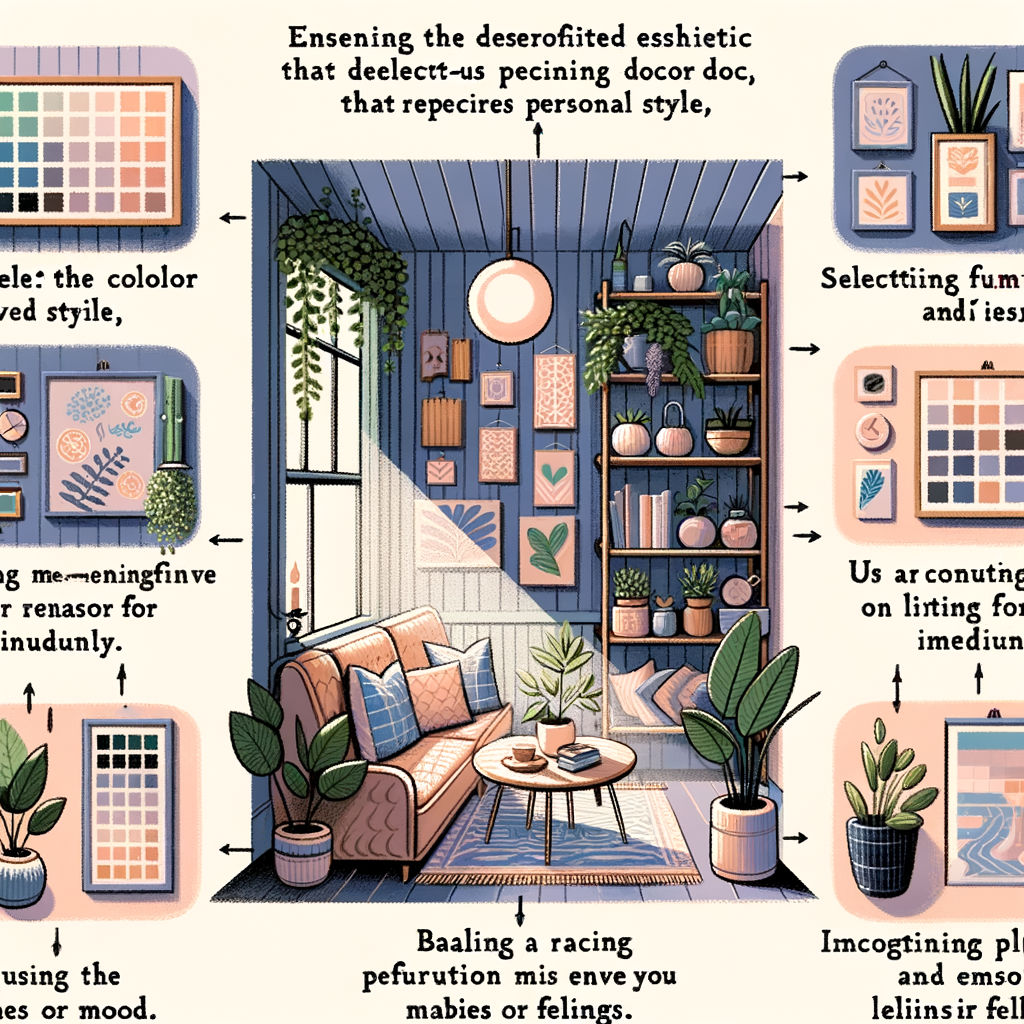
1. Start with a Vision
Before diving into decorating, take time to envision how you want your space to look and feel. Consider your favorite colors, textures, and design styles. Create a mood board using images, fabric samples, or digital tools to capture your ideas. This vision will serve as your roadmap throughout the personalization process.
2. Choose a Color Palette
Color sets the tone for any space. Select a palette that resonates with your personality and complements the natural light in your room. Soft neutrals can create a calming atmosphere, while bold hues add energy and character. Don’t be afraid to experiment with accent walls or colorful accessories to bring depth and interest to your design.
3. Incorporate Meaningful Decor
Personal touches make a space truly yours. Display artwork, photographs, or souvenirs that hold sentimental value. Incorporate items that tell your story—whether it’s a handmade craft, a vintage find, or a family heirloom. These details not only enhance the aesthetic but also create a sense of belonging and comfort.
4. Focus on Functionality
Personalization isn’t just about aesthetics; it’s also about making your space work for you. Arrange furniture to suit your daily activities and ensure that each area serves a purpose. Consider storage solutions that keep your space organized and clutter-free. A well-designed layout enhances both comfort and productivity.
5. Layer Textures and Materials
Mixing textures adds warmth and dimension to your space. Combine materials such as wood, metal, glass, and fabric to create visual interest. Soft furnishings like rugs, cushions, and throws can make a room feel cozy and inviting. The key is balance—blend different textures without overwhelming the overall design.
6. Add Greenery and Natural Elements
Plants bring life and freshness to any environment. Incorporate greenery through potted plants, hanging planters, or even small succulents. Natural elements like wood, stone, or woven materials can also enhance the organic feel of your space. These touches promote relaxation and improve air quality.
7. Personalize with Lighting
Lighting plays a crucial role in setting the mood. Use a combination of ambient, task, and accent lighting to create layers of illumination. Choose fixtures that reflect your style—whether modern, rustic, or eclectic. Warm lighting can make a space feel cozy, while cooler tones lend a contemporary edge.
8. Create a Signature Scent
Scents can evoke emotions and memories, making them a powerful tool for personalization. Experiment with candles, diffusers, or essential oils to find a fragrance that complements your space. A signature scent can make your environment more inviting and uniquely yours.
9. Evolve with Time
Your space should grow with you. As your tastes and needs change, don’t hesitate to refresh your decor. Rearrange furniture, swap out accessories, or introduce new colors to keep your environment dynamic and inspiring. Personalization is an ongoing process that reflects your journey and evolution.
Conclusion
Personalizing your new space is about more than just decoration—it’s about creating a reflection of who you are. By combining thoughtful design choices with meaningful details, you can transform any room into a sanctuary that nurtures your well-being and expresses your individuality. With creativity and intention, your new space will truly feel like home.
Leave a Reply