
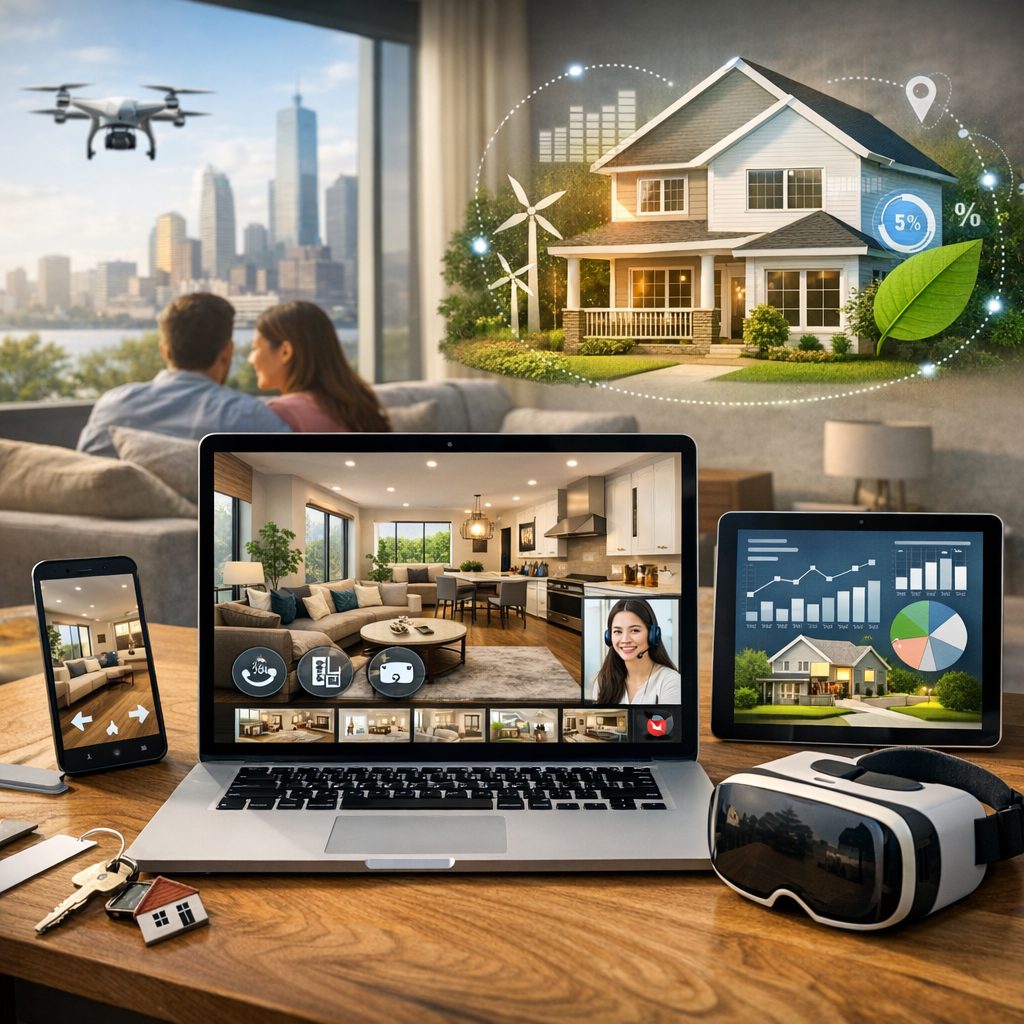
1. Increased Accessibility for Buyers
Virtual open houses eliminate geographical barriers, allowing prospective buyers from anywhere in the world to view a property. This expanded reach is particularly beneficial for out-of-town or international buyers who may not be able to attend in-person showings. By offering a virtual experience, agents can attract a wider audience and generate more interest in the property.
2. Convenience and Time Efficiency
Traditional open houses require scheduling, travel, and coordination, which can be time-consuming for both buyers and sellers. Virtual open houses, on the other hand, can be accessed at any time, providing flexibility for busy schedules. Buyers can explore multiple properties in a single day without leaving their homes, while sellers can showcase their property without the disruption of frequent in-person visits.
3. Cost-Effective Marketing
Hosting a virtual open house can significantly reduce marketing expenses. There’s no need to print brochures, stage multiple events, or invest in physical signage. Instead, agents can leverage digital tools such as 3D tours, video walkthroughs, and live streaming to present the property effectively. These tools not only save money but also create engaging and interactive experiences for potential buyers.
4. Enhanced Safety and Comfort
Virtual open houses provide a safe alternative to traditional showings, especially in times when health and safety are a concern. Buyers can explore properties from the comfort of their own homes, reducing the need for physical contact and minimizing exposure risks. This approach also offers comfort to sellers who prefer to limit in-person visits.
5. Detailed and Interactive Presentations
Modern virtual tour technology allows for high-quality visuals, detailed floor plans, and interactive features. Buyers can zoom in on specific details, view rooms from multiple angles, and even measure spaces virtually. This level of detail helps buyers make more informed decisions and fosters greater confidence in their purchasing choices.
6. Data and Analytics Insights
Virtual open houses provide valuable data that can help agents refine their marketing strategies. Metrics such as the number of views, time spent on each section of the tour, and user engagement can offer insights into buyer preferences. This data-driven approach enables agents to tailor their follow-ups and improve future listings.
7. Environmental Benefits
By reducing the need for travel and printed materials, virtual open houses contribute to a more sustainable real estate practice. Fewer car trips mean lower carbon emissions, and digital marketing materials reduce paper waste. This eco-friendly approach aligns with the growing emphasis on sustainability in modern business practices.
Conclusion
Hosting a virtual open house offers numerous advantages for real estate professionals and clients alike. From broader reach and convenience to cost savings and environmental benefits, this innovative approach is transforming how properties are showcased and sold. As technology continues to advance, virtual open houses are likely to become an essential component of the real estate marketing toolkit, providing a seamless and engaging experience for all parties involved.
Leave a Reply