
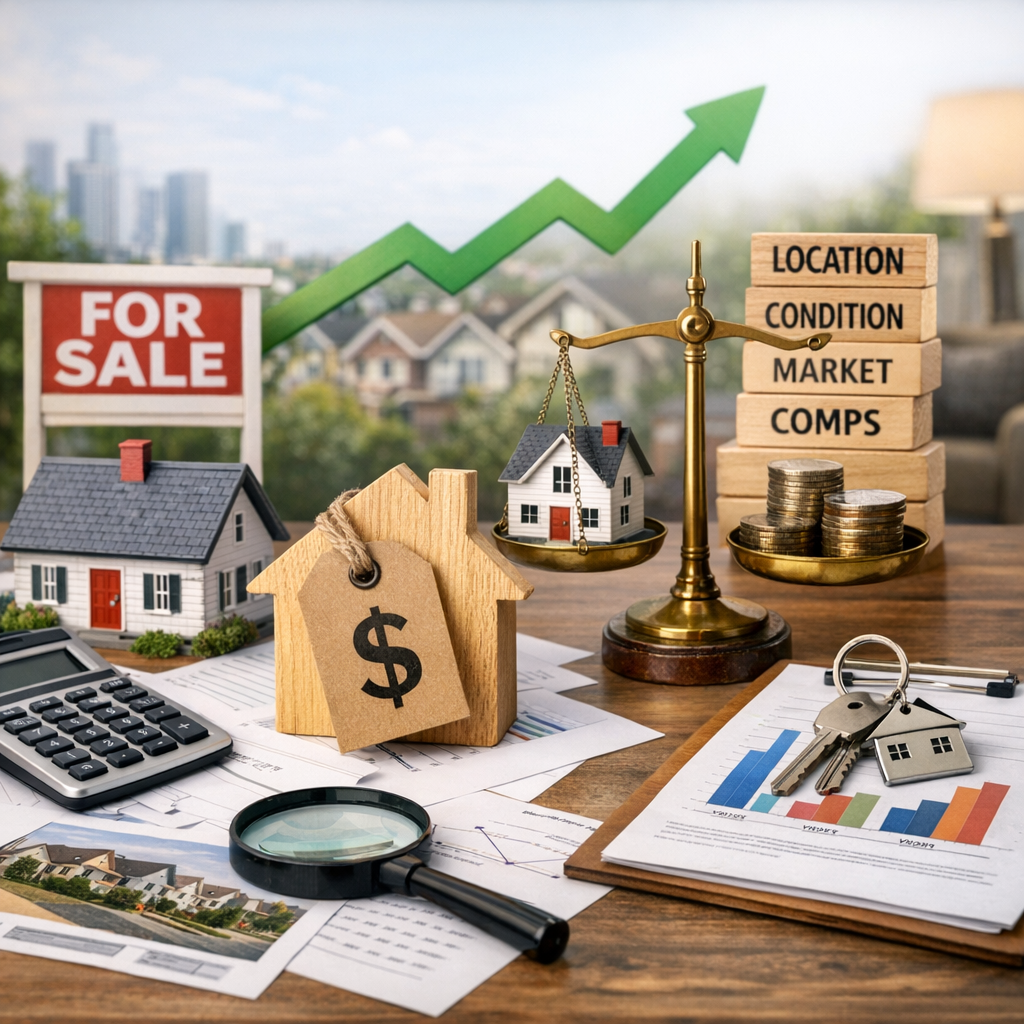
Setting the right price for your home is one of the most critical decisions you will make when selling your property. A well-priced home attracts serious buyers, reduces time on the market, and can even spark competitive offers. On the other hand, an overpriced home may linger unsold, leading to price reductions and lost momentum. Understanding the art and science behind pricing your home can make all the difference in achieving a successful sale.
Understanding Market Value
Market value is the price a willing buyer and a willing seller agree upon in an open market. It is influenced by factors such as location, condition, size, amenities, and recent sales of comparable properties. Sellers often have an emotional attachment to their homes, but buyers view properties through a more objective lens. Recognizing this distinction is key to setting a realistic price.
Researching Comparable Sales
One of the most effective ways to determine your home’s value is by analyzing comparable sales, often referred to as “comps.” These are recently sold homes in your area that are similar in size, style, and condition. Reviewing these sales helps establish a price range that reflects current market trends. Real estate agents and appraisers use this data to provide a professional opinion of value, which can guide your pricing strategy.
Considering Market Conditions
The broader market environment plays a significant role in pricing decisions. In a seller’s market, where demand exceeds supply, homes often sell quickly and may attract multiple offers. In a buyer’s market, where inventory is high, sellers may need to price more competitively to stand out. Monitoring local trends, such as average days on market and list-to-sale price ratios, provides valuable insight into how aggressive or conservative your pricing should be.
Factoring in Home Condition and Upgrades
The condition of your home directly impacts its perceived value. Well-maintained properties with modern updates tend to command higher prices. Before listing, consider making cost-effective improvements such as fresh paint, landscaping, or minor repairs. However, not all renovations yield a high return on investment, so it’s important to focus on updates that enhance appeal without overcapitalizing.
Psychological Pricing Strategies
Psychology also plays a role in pricing. Setting a price just below a round number, such as $499,000 instead of $500,000, can make a home appear more attractively priced. Additionally, pricing within common search brackets ensures your listing appears in more buyer searches. The goal is to position your home where it captures maximum attention while still reflecting its true market value.
Adjusting Based on Feedback
Once your home is on the market, buyer feedback and showing activity provide valuable clues about your pricing. If you receive few inquiries or offers after several weeks, it may be time to reassess. A timely price adjustment can reignite interest and prevent your listing from becoming stale. Flexibility and responsiveness are essential to maintaining momentum in a dynamic market.
Working with a Real Estate Professional
Partnering with an experienced real estate agent can simplify the pricing process. Agents have access to detailed market data, understand buyer behavior, and can provide an objective perspective. They can also help you navigate negotiations and ensure your pricing strategy aligns with your overall selling goals.
Conclusion
Pricing your home is both an art and a science. It requires a balance between market data, property condition, and buyer psychology. By conducting thorough research, staying attuned to market conditions, and remaining adaptable, you can set a price that attracts qualified buyers and maximizes your return. The right price not only sells your home faster but also ensures you achieve the best possible outcome in today’s competitive real estate market.
Leave a Reply