
Tag: lease agreement
-

Subletting Basics: What Renters Should Know
Subletting allows renters to temporarily rent out their unit without breaking the lease. It offers flexibility, financial relief, and lease preservation. Legal considerations include checking lease terms, obtaining landlord approval, and understanding local laws. Success tips include screening subtenants, drafting a clear sublease agreement, maintaining communication, and ensuring insurance coverage. Proper understanding and documentation ensure…
-

The Ultimate Checklist for Rental Viewings
When viewing rental properties, research the area, prepare questions, and bring tools to document the visit. During the viewing, inspect the property’s cleanliness, structural integrity, utilities, and safety features. Check lease terms, rent, deposits, and maintenance responsibilities. Afterward, review your notes and photos, seek clarifications, and compare properties to make an informed decision.
-

Negotiating Rent: Tips for Getting the Best Deal
Negotiating rent involves preparation and strategy. Research market rates, highlight your qualities as a reliable tenant, consider a longer lease for lower rates, and time your request during off-peak seasons. Offering upfront payment can also be persuasive. Be ready to compromise, ensure agreements are in writing, and maintain a professional demeanor throughout the negotiation process…
-
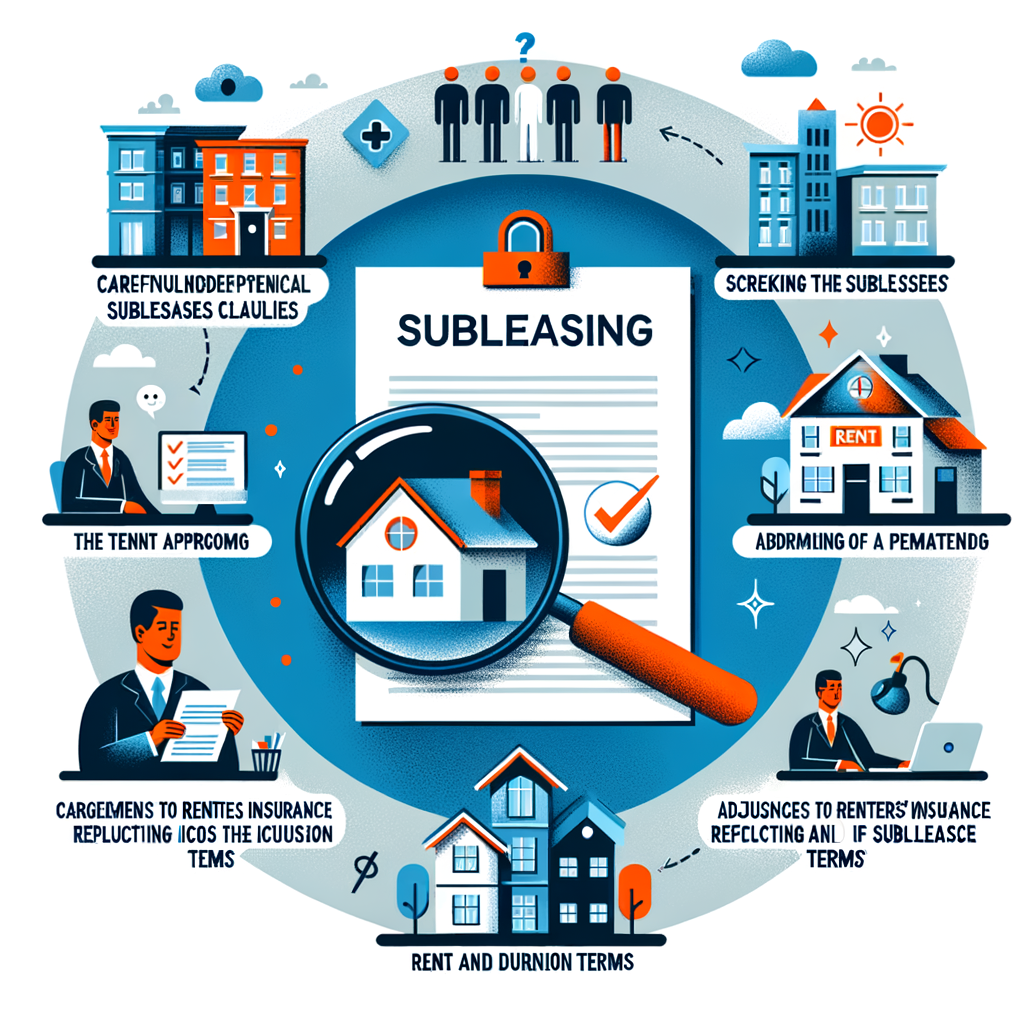
Subleasing Your Apartment: Rules and Tips
Subleasing your apartment involves renting it to another tenant who assumes lease obligations for a period. Check your lease for subleasing clauses and obtain landlord approval if needed. Select a reliable sublessee through screening and create a formal sublease agreement specifying terms like rent and duration. Manage security deposits carefully and adjust renters’ insurance to…
-

How to Prepare for a Rental Property Viewing: Essential Tips
Prepare for a rental property viewing by listing your must-haves, scheduling viewings during different times, and preparing questions for the landlord. Check the property thoroughly, take notes and photos, and explore the neighborhood. Review the lease agreement carefully and follow up with any further inquiries to secure your ideal home.
-
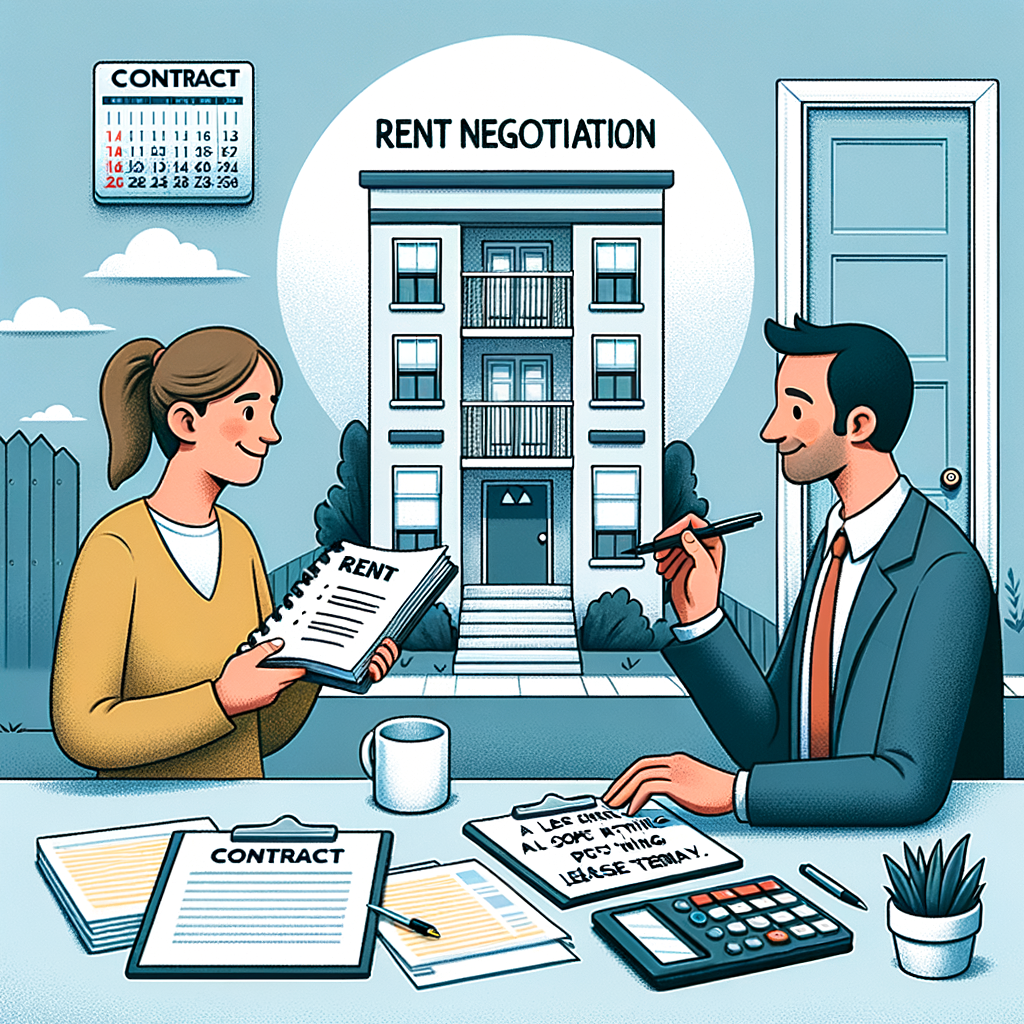
Negotiating Your Rent: Strategies for a Better Deal
Negotiating rent involves understanding the local market, building a rapport with your landlord, and highlighting your strengths as a tenant. Strategies include researching comparable rents, offering a longer lease for stability, and negotiating at the right time. Be prepared to compromise on terms and get everything in writing. If terms don’t meet your needs, be…
-
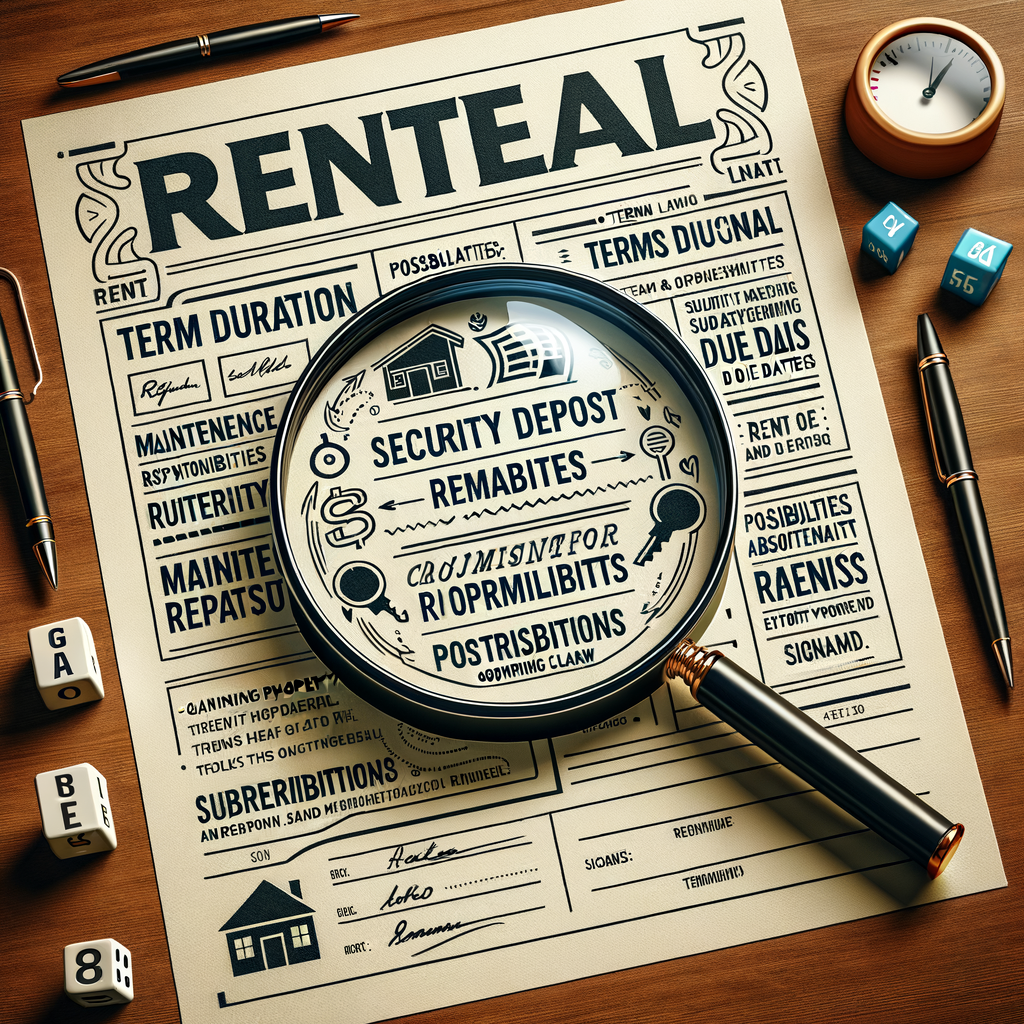
Understanding Rental Agreements: Key Terms and What They Mean
Rental agreements define terms between landlords and tenants, crucial for a smooth rental experience. Key terms include lease term duration, rent amount and due dates, security deposit details, maintenance responsibilities, utility obligations, subletting rules, termination and renewal options, property restrictions, governing law, and required signatures. Understanding these helps maintain good relations and protect tenant rights.…
-

From Lease Signing to Moving Day: A Renter’s Journey
Renting a new apartment involves several key steps from lease signing to moving day. It’s crucial to understand your lease agreement, including terms about rent, deposits, and landlord responsibilities. Prepare for the move by creating a checklist, arranging movers or gathering supplies for a DIY move, and packing efficiently. Set up utilities in advance and…
-

Security Deposits Explained: What Renters Need to Know
Security deposits are crucial for landlords to cover potential losses like property damage or unpaid rent. Typically equal to 1-2 months’ rent, the amount varies by local laws and property conditions. Deposits are held in separate accounts and should be returned if there’s no damage beyond normal wear, no unpaid rent, or lease breaches. To…
-

Creating a Home Office in Your Rental: A How-To Guide
Creating a functional home office in a rental involves understanding lease restrictions, choosing a quiet location, investing in ergonomic furniture, optimizing storage, ensuring good lighting, personalizing the space, managing technology and cables, considering privacy, setting boundaries, and regularly reviewing the setup to maintain productivity and comfort while complying with the rental agreement.
You must be logged in to post a comment.