
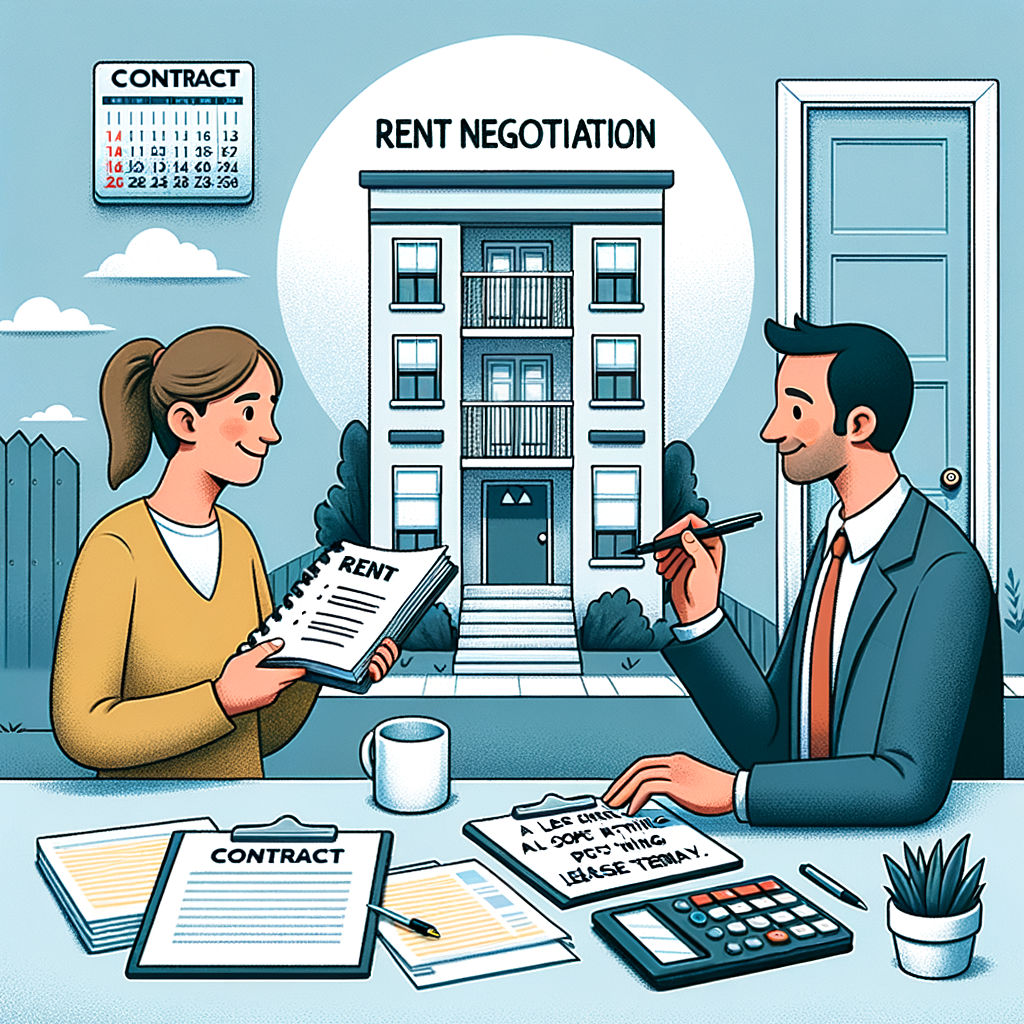
Negotiating Your Rent: Strategies for a Better Deal
Rent negotiation might seem daunting, but with the right approach and preparation, you can potentially secure a better deal on your lease. Whether you’re facing a rent increase, renewing your lease, or signing a new one, understanding how to negotiate can save you a significant amount of money. Here are some effective strategies to help you negotiate your rent like a pro.
Understand the Market
Before entering any negotiation, it’s crucial to have a clear understanding of the local rental market. Research the average rent prices for similar properties in your area. Websites like Zillow, Rentometer, and local classified ads can provide a sense of what landlords are charging for comparable units. This information will serve as a benchmark and strengthen your negotiating position.
Build a Rapport with Your Landlord
Establishing a good relationship with your landlord can make negotiations smoother. Always communicate in a respectful and professional manner. If you’ve been a good tenant by paying rent on time and maintaining the property, remind your landlord of this during your negotiation. A landlord is more likely to consider a rent reduction if they want to keep a reliable tenant.
Highlight Your Strengths as a Tenant
Make a compelling case for why you deserve lower rent. Emphasize your reliability, longevity, and any improvements you’ve made to the property. If you have skills that could be beneficial to your landlord, such as gardening or handyman abilities, offer your services in exchange for lower rent.
Offer a Longer Lease Term
Landlords value stability and the assurance that they won’t have to look for new tenants anytime soon. By offering to sign a longer lease, you provide that stability, which might be enough to convince your landlord to lower your rent or offer more favorable terms.
Consider Timing
Timing can be everything in rent negotiations. Try to negotiate rent before your lease ends, ideally a few months in advance. This gives you leverage as the landlord might prefer securing a tenant well before the current lease expires. Additionally, be aware of rental demand cycles; landlords may be more willing to negotiate during off-peak seasons when finding new tenants can be harder.
Be Prepared to Compromise
While you may have an ideal rent in mind, be prepared to meet in the middle. If the landlord cannot lower the rent, ask for other concessions such as free parking, included utilities, or waived amenity fees.
Get Everything in Writing
Once you reach an agreement, make sure all the terms are documented in the lease agreement. This prevents any future misunderstandings and ensures both parties are clear about the terms. Review the lease thoroughly before signing to confirm that all negotiated details are correctly included.
Be Ready to Walk Away
If negotiations aren’t working in your favor and the terms remain outside your budget, be prepared to look for other housing options. Sometimes the best negotiation strategy is being able to walk away, which might also prompt the landlord to reconsider your proposal.
Negotiating rent is not just about lowering costs—it’s about understanding value, market dynamics, and building relationships. With these strategies, you’re better equipped to engage in successful rent negotiations that benefit both you and your landlord.
Leave a Reply