
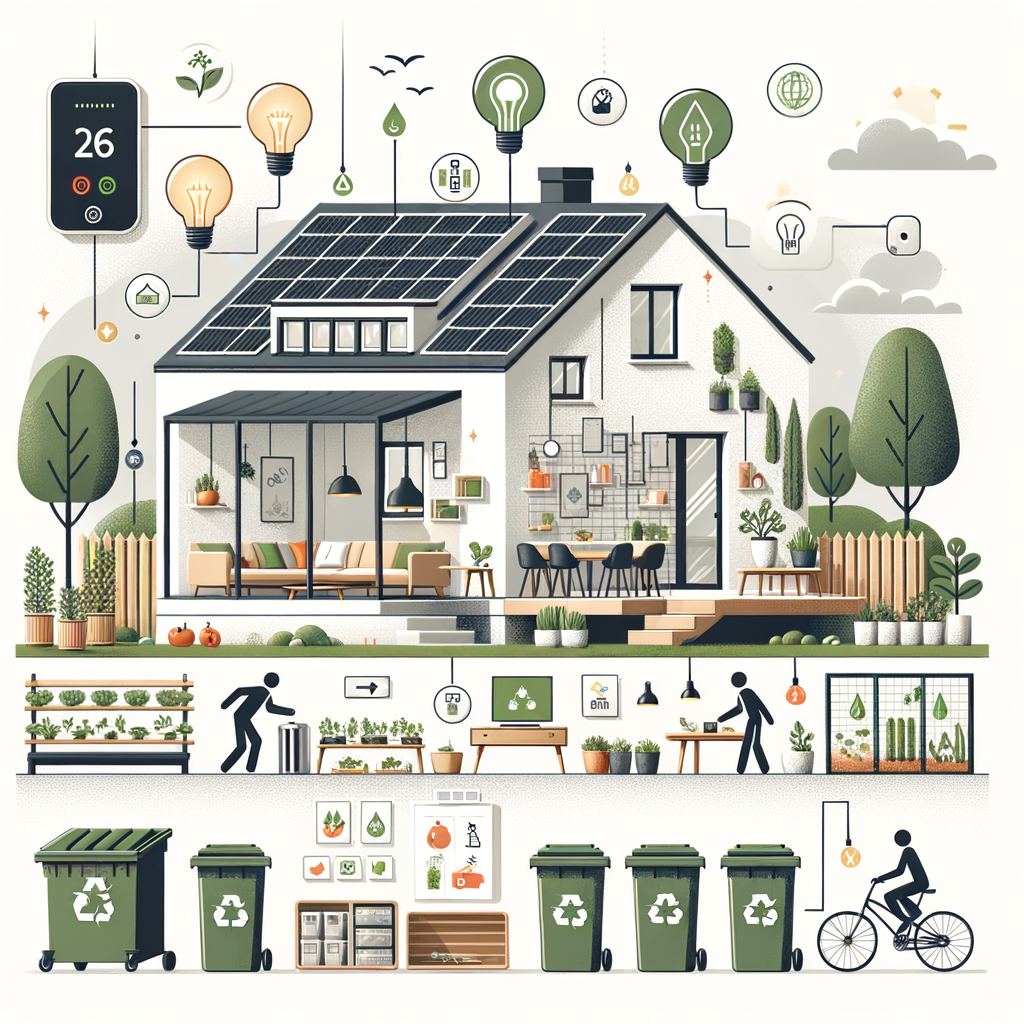
Sustainable living is more than just a trend—it’s a conscious effort to reduce our environmental impact and create a healthier planet for future generations. By making small, intentional changes in our homes, we can significantly decrease waste, conserve energy, and promote a more sustainable lifestyle.
1. Energy Efficiency
One of the most effective ways to make your home eco-friendly is by improving energy efficiency. Start by switching to LED lighting, which uses less electricity and lasts longer than traditional bulbs. Consider installing programmable thermostats to regulate heating and cooling, and ensure your home is properly insulated to prevent energy loss.
If possible, invest in renewable energy sources such as solar panels or wind turbines. These systems can reduce your reliance on fossil fuels and lower your utility bills over time.
2. Water Conservation
Water is a precious resource, and conserving it should be a priority in every household. Install low-flow faucets, showerheads, and toilets to reduce water usage without compromising performance. Fix leaks promptly, as even small drips can waste gallons of water each day.
Collecting rainwater for outdoor use and choosing drought-resistant plants for landscaping are additional ways to minimize water consumption.
3. Sustainable Materials
When renovating or decorating your home, opt for sustainable materials such as bamboo, reclaimed wood, or recycled metal. These materials not only reduce waste but also add unique character to your living space. Choose non-toxic paints and finishes to improve indoor air quality and protect your family’s health.
4. Waste Reduction
Reducing waste begins with mindful consumption. Buy only what you need, and choose products with minimal or recyclable packaging. Composting organic waste like food scraps and yard trimmings can significantly cut down on landfill contributions while providing nutrient-rich soil for your garden.
Recycle paper, glass, and plastics according to local guidelines, and consider donating or repurposing items instead of discarding them.
5. Eco-Friendly Habits
Sustainable living extends beyond physical changes to your home—it’s also about adopting eco-conscious habits. Turn off lights and electronics when not in use, air-dry clothes when possible, and use natural cleaning products to reduce chemical pollution. Supporting local and sustainable businesses can also make a positive impact on your community and the environment.
6. Green Spaces and Indoor Plants
Incorporating greenery into your home not only enhances aesthetics but also improves air quality. Indoor plants absorb carbon dioxide and release oxygen, creating a healthier living environment. Additionally, maintaining a small garden or growing your own herbs and vegetables can reduce your carbon footprint and provide fresh, organic produce.
Conclusion
Making your home eco-friendly doesn’t require drastic changes—small, consistent efforts can lead to meaningful results. By focusing on energy efficiency, water conservation, sustainable materials, and mindful habits, you can create a home that supports both your well-being and the planet. Sustainable living is a journey, and every step you take brings us closer to a greener, more sustainable future.
Leave a Reply