
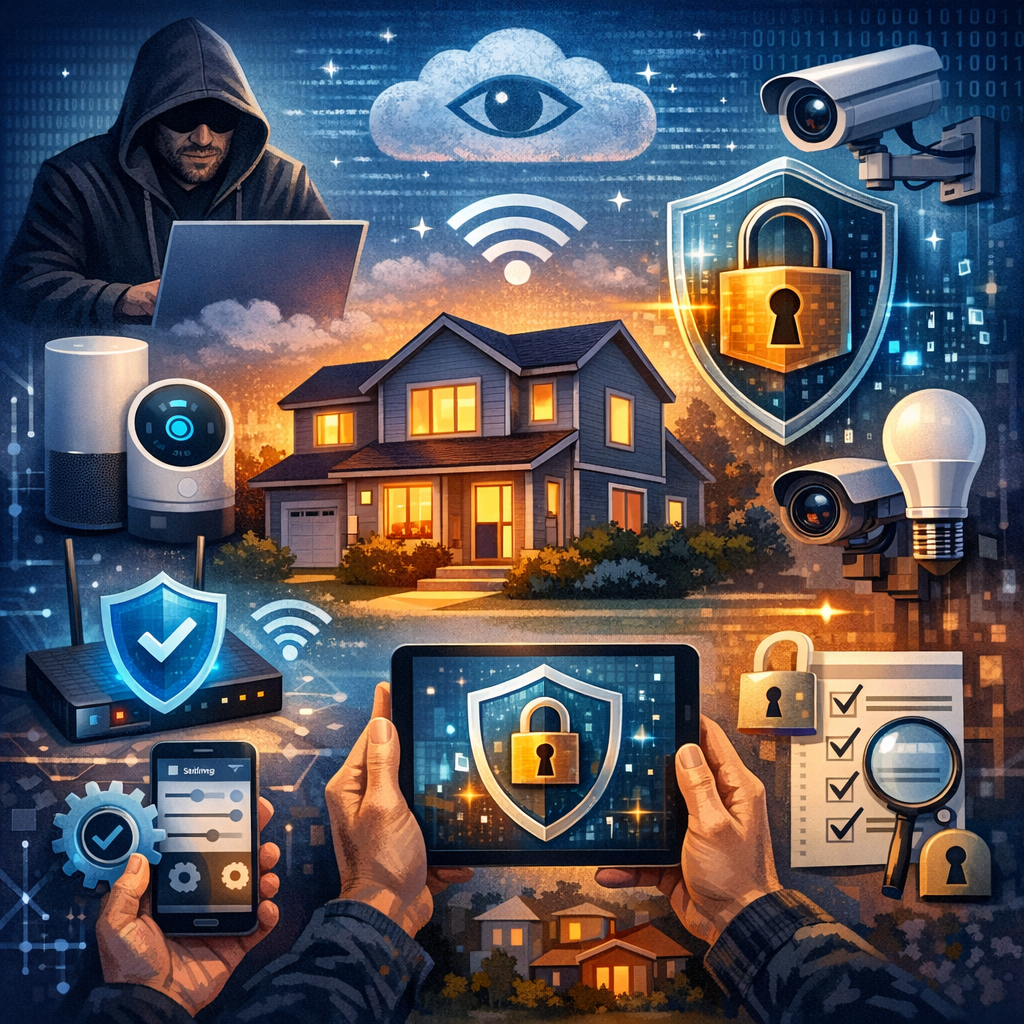
Smart Home Tech: Privacy Concerns and How to Address Them
The rise of smart home technology has transformed the way we live, offering convenience, efficiency, and enhanced security. From voice-activated assistants to connected thermostats and smart locks, these devices make daily life easier and more connected. However, as homes become smarter, they also become more vulnerable to privacy risks. Understanding these concerns and learning how to mitigate them is essential for maintaining control over personal data.
Understanding Privacy Risks in Smart Homes
Smart home devices collect and process vast amounts of data, including voice commands, video footage, location information, and usage patterns. This data can reveal intimate details about a person’s habits, routines, and preferences. The main privacy risks include:
- Data Collection and Sharing: Many devices share user data with manufacturers or third-party partners for analytics or marketing purposes.
- Unauthorized Access: Weak passwords or outdated software can allow hackers to gain access to devices and personal information.
- Surveillance Concerns: Devices with cameras and microphones can be exploited to monitor users without their consent.
- Data Breaches: Centralized data storage by service providers increases the risk of large-scale breaches.
Best Practices for Protecting Privacy
While smart home technology poses challenges, users can take proactive steps to safeguard their privacy. Implementing the following measures can significantly reduce risks:
- Secure Your Network: Use strong, unique passwords for your Wi-Fi and enable network encryption. Consider setting up a separate network for smart devices.
- Regularly Update Devices: Keep firmware and software up to date to patch vulnerabilities that hackers could exploit.
- Review Privacy Settings: Adjust device settings to limit data collection and disable unnecessary features like voice recording or location tracking.
- Use Multi-Factor Authentication: Add an extra layer of security to accounts associated with smart devices.
- Be Selective with Devices: Choose reputable brands that are transparent about data handling and provide regular security updates.
The Role of Manufacturers and Regulators
While users play a crucial role in protecting their privacy, manufacturers and regulators also share responsibility. Companies should adopt privacy-by-design principles, ensuring that data protection is integrated into product development from the start. Governments and regulatory bodies can enforce stricter data protection laws and require transparency in how companies collect, store, and share user data.
Balancing Convenience and Privacy
Smart home technology offers undeniable benefits, but users must remain vigilant about privacy. By understanding the risks and taking appropriate precautions, homeowners can enjoy the convenience of connected living without compromising their personal security. The key lies in balancing innovation with responsibility—embracing technology while maintaining control over one’s digital footprint.
Leave a Reply