
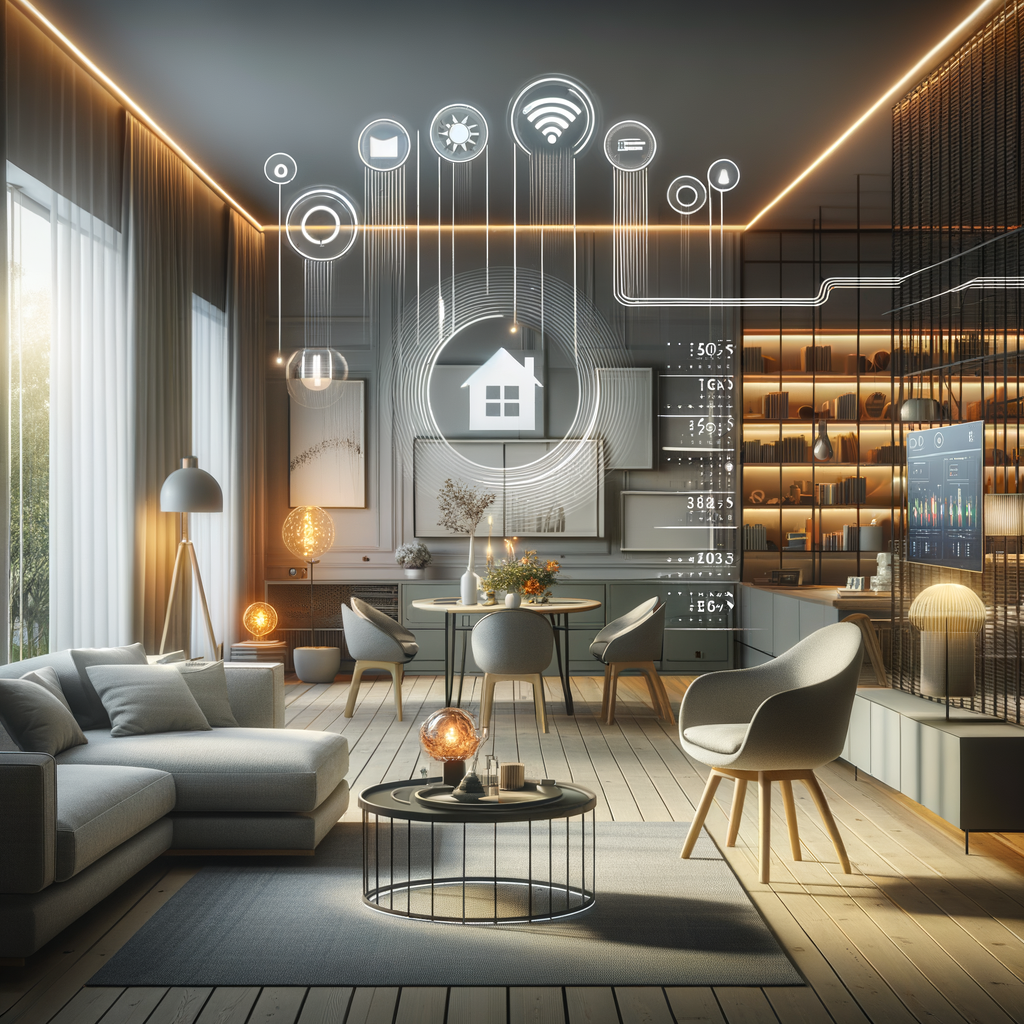
The Rise of Smart Home Design
Smart home design is no longer a futuristic concept. With advancements in the Internet of Things (IoT), artificial intelligence, and automation, homes can now adapt to the needs and preferences of their occupants. From lighting and climate control to entertainment and security, technology enhances comfort and convenience while maintaining a cohesive aesthetic.
Blending Functionality with Style
One of the main challenges in smart home decor is ensuring that technology complements the overall design rather than detracting from it. Designers are increasingly focusing on creating spaces where devices are discreetly integrated. For example, smart speakers can be disguised as decorative objects, and lighting systems can be embedded within architectural elements to maintain a clean, uncluttered look.
Smart Lighting and Ambiance
Lighting plays a crucial role in setting the mood of a space. Smart lighting systems allow homeowners to adjust brightness, color temperature, and even hue with a simple voice command or mobile app. These systems can also be programmed to change automatically throughout the day, enhancing both energy efficiency and ambiance.
Connected Furniture and Decor
Furniture and decor are also becoming smarter. From coffee tables with built-in wireless charging to mirrors that display weather updates, technology is being woven into everyday objects. These innovations not only add convenience but also contribute to a futuristic and sophisticated atmosphere.
Energy Efficiency and Sustainability
Smart home technology supports sustainable living by optimizing energy use. Automated thermostats, smart blinds, and energy-monitoring systems help reduce waste and lower utility bills. Integrating these systems into the design ensures that sustainability becomes a natural part of the home’s aesthetic and functionality.
Creating a Personalized Experience
One of the most appealing aspects of smart home decor is personalization. Homeowners can customize their environments to suit their lifestyles, from setting preferred lighting scenes to automating daily routines. This level of control transforms the home into a responsive, adaptive space that enhances well-being and productivity.
Designing for the Future
As technology continues to evolve, the possibilities for smart home decor are limitless. Future designs will likely focus on even greater integration, with invisible technology that blends seamlessly into architecture and furnishings. The goal is to create homes that are intuitive, efficient, and aesthetically pleasing without overwhelming the senses.
In conclusion, integrating technology into home decor is about more than convenience—it’s about creating a harmonious living environment that reflects modern lifestyles. By thoughtfully combining design and innovation, homeowners can enjoy spaces that are both stylish and smart, setting the standard for the homes of tomorrow.
Leave a Reply